Clinical Operations Career Path India: A Complete Guide for Freshers

Clinical Operations Executive A clinical operations career path India starts with an entry-level role like Clinical Operations Executive or Clinical Trial Coordinator. You manage daily trial activities, ensure compliance, and support study teams. With 2-3 years of experience, you can move to manager roles earning ₹6-10 lakhs per year.
Are you a BSc, BCA, or BTech graduate who has faced multiple placement rejections? You are not alone. The clinical operations career path India is open to freshers from non-healthcare backgrounds too. Recruiters are looking for specific skills, not just degrees.
Many IT and BPO professionals want to switch to healthcare. But they often get rejected because they lack clinical trial knowledge. This guide shows you exactly what recruiters expect and how to bridge that gap.
Build These Skills Now
Programs from ZANE ProEd Academy that directly address the skill gaps discussed above.
You don't need a pharmacy degree to start. You need the right training and hands-on practice. Let's break it down step by step.
What does a Clinical Operations Executive do? – Clinical Operations Career Path India
A Clinical Operations Executive (also called a Clinical Trial Coordinator or Clinical Operations Associate) handles the day-to-day execution of clinical trials. They work in CROs (Contract Research Organizations), pharma companies, or hospitals.
Here is the typical clinical operations job description for an entry-level role:
- Collect and review study documents from clinical sites.
- Enter data into clinical trial management systems (CTMS).
- Coordinate with investigators, site staff, and vendors.
- Track patient recruitment and site payments.
- Ensure compliance with ICH-GCP guidelines and local regulations like CDSCO.
- Prepare and maintain trial master files (TMF).
- Support clinical research associates (CRAs) with monitoring visits.
This role is the backbone of clinical operations in CRO. It is often the starting point for a long-term career in clinical research.
If you want to see similar roles for freshers, check our guide on clinical trial coordinator jobs in India for freshers.
What is the salary of a Clinical Operations Executive in India?
The clinical operations executive salary in India depends on your location, company type, and experience. Here is a realistic range:
- Fresher (0-1 year): ₹2.5 – 4 lakhs per annum (LPA)
- 1-3 years: ₹3.5 – 6 LPA
- 3-5 years (Senior Executive or Associate Manager): ₹5 – 8 LPA
- 5+ years (Manager): ₹8 – 15 LPA
In metro cities like Mumbai, Bangalore, and Hyderabad, salaries are 20-30% higher. CROs like IQVIA, Parexel, and Syneos often pay more than small pharma companies.
Certifications and hands-on skills can push you to the higher end even as a fresher. Recruiters value practical knowledge over just a degree.
How to start a career in clinical operations?
You can start a clinical operations career path India even if you have no healthcare background. Follow these steps:
- Learn the basics: Understand clinical trial phases, ICH-GCP, and regulatory requirements. Read free resources from WHO and FDA.
- Get a certification: A focused clinical operations course teaches you the exact skills recruiters check.
- Gain practical experience: Use simulation-based tools to practice real tasks like TMF management, site communication, and data entry.
- Apply for entry-level roles: Target positions like Clinical Trial Coordinator, Site Management Associate, or Clinical Data Coordinator. Check our guide on site management associate job profile.
- Network with industry professionals: Join LinkedIn groups, attend webinars, and connect with CRO recruiters.
Remember, every rejection is a clue. Fix the skill gap and you will get shortlisted.
What is the difference between clinical operations and clinical research?
Many freshers confuse these two terms. Here is a simple comparison:
- Clinical research is the broad science of testing new drugs and devices. It includes preclinical studies, clinical trials (Phase 1-4), and post-marketing surveillance.
- Clinical operations is the execution arm of clinical research. It focuses on running the trials efficiently: site selection, patient recruitment, data collection, and compliance.
Think of clinical research as the 'what' and clinical operations as the 'how'. A clinical operations vs clinical research career choice depends on your interest: lab/analysis vs coordination/management.
Most entry-level jobs for freshers are in clinical operations because it needs more hands-on execution people.
What skills are needed for clinical operations roles?
Recruiters reject candidates who only have theoretical knowledge. You need these skills to get hired:
- Attention to detail: One wrong data entry can delay a trial.
- Communication: You email sites, call investigators, and write reports daily.
- Documentation: Master the Trial Master File (TMF) and essential documents.
- Regulatory knowledge: Know ICH-GCP, Schedule Y, and CDSCO rules. Refer to EMA for global guidelines.
- Data management: Basic Excel, CTMS, and EDC (Electronic Data Capture) tools.
- Problem-solving: Trials never go as planned. You must find quick solutions.
- Project coordination: Track timelines, budgets, and vendor deliverables.
These skills are not taught in college. That is why many BSc and BTech freshers fail interviews.
Why freshers get rejected: The skill gap no one talks about
Colleges teach you theory: pharmacology, biochemistry, maybe some research methodology. But employers expect you to know:
- How to handle a site query.
- How to update a TMF.
- How to read a protocol and extract action items.
- How to communicate with a busy investigator.
Without hands-on practice, you look risky to recruiters. They have hundreds of applicants. They will choose someone who can start working from day one.
For IT and BPO switchers, the gap is even bigger. You might have strong software or process skills, but no clinical context.
Your 5-step roadmap to a clinical operations job in India
- Self-assess: Rate yourself on the skills listed above. Be honest.
- Pick a focused program: Choose a certification that includes simulation, not just videos.
- Practice daily for 30-45 minutes: Do mock TMF tasks, write site emails, enter dummy data.
- Build a portfolio: Show recruiters screenshots or certificates of completed simulations.
- Apply with confidence: Target 10-15 jobs per week. Customize your resume for each role.
This roadmap works even if you failed placements before. You are not starting from zero; you are starting from experience.
Most courses give you information. But information alone does not get you hired. You need to practice real clinical operations tasks in a safe environment.
That is why simulation-based learning works. You work on mock clinical trials, update TMFs, respond to site emails, and manage data just like a real executive.
This system builds muscle memory. When you sit in an interview, you can say 'I have done this' instead of 'I have read about this'.
Build These Skills Now
Programs from ZANE ProEd Academy that directly address the skill gaps discussed above.
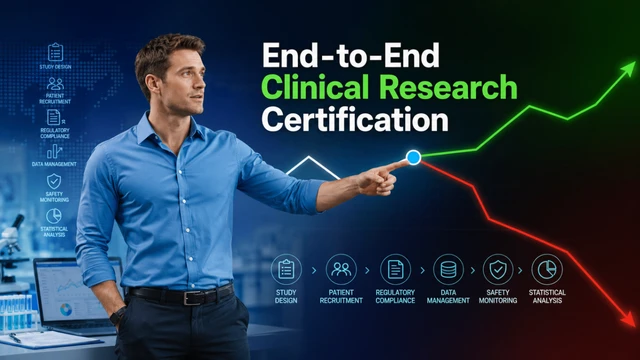
At ZANE ProEd, we built the Clinical Operations System to bridge this gap. Our clinical-operations-certification program uses real-world scenarios and recruiter feedback. The end-to-end-clinical-research-certification gives you a wider view of the entire trial lifecycle.
These are not just video courses. They are practice labs. You complete tasks, get graded, and improve. Recruiters recognize this practical edge.
Check your job readiness. See how your skills compare to what employers actually want. Take our free skill gap quiz or explore the simulation demo.
Your next placement attempt can be different. Start building the right skills today.
Build These Skills Now
Programs from ZANE ProEd Academy that directly address the skill gaps discussed above.
Follow Zane ProEd on Google
Preferred SourceAdd our publication as a preferred source to get the latest clinical research guides, industry updates, and career intel directly in your Google Top Stories & AI Overviews.