Clinical Trial Assistant Entry Level Jobs USA: Your 3-6 Month Roadmap to Remote CRC/CRA Roles
Clinical Trial Assistant (CTA) For clinical trial assistant entry level jobs USA, you typically need a life sciences degree, GCP training, and familiarity with eTMF/EDC systems. Salaries range from $55,000 to $75,000. These roles are remote-friendly and launchpad to CRA or CRC careers.
If you are a Foreign Medical Graduate (FMG) or a bedside nurse burned out from 12-hour shifts, you are not alone. Clinical trial assistant entry level jobs USA offer a structured, remote-friendly escape route into clinical research. The best part? You do not need a US medical license to start.
Right now, biopharma hubs like Boston, RTP, and San Diego are hiring CTAs at record pace. But degrees alone are not enough anymore. Employers want proof you can handle eTMF, EDC, and ICH-GCP workflows from day one. That is where a career timeline changes everything.
Build These Skills Now
Programs from ZANE ProEd Academy that directly address the skill gaps discussed above.

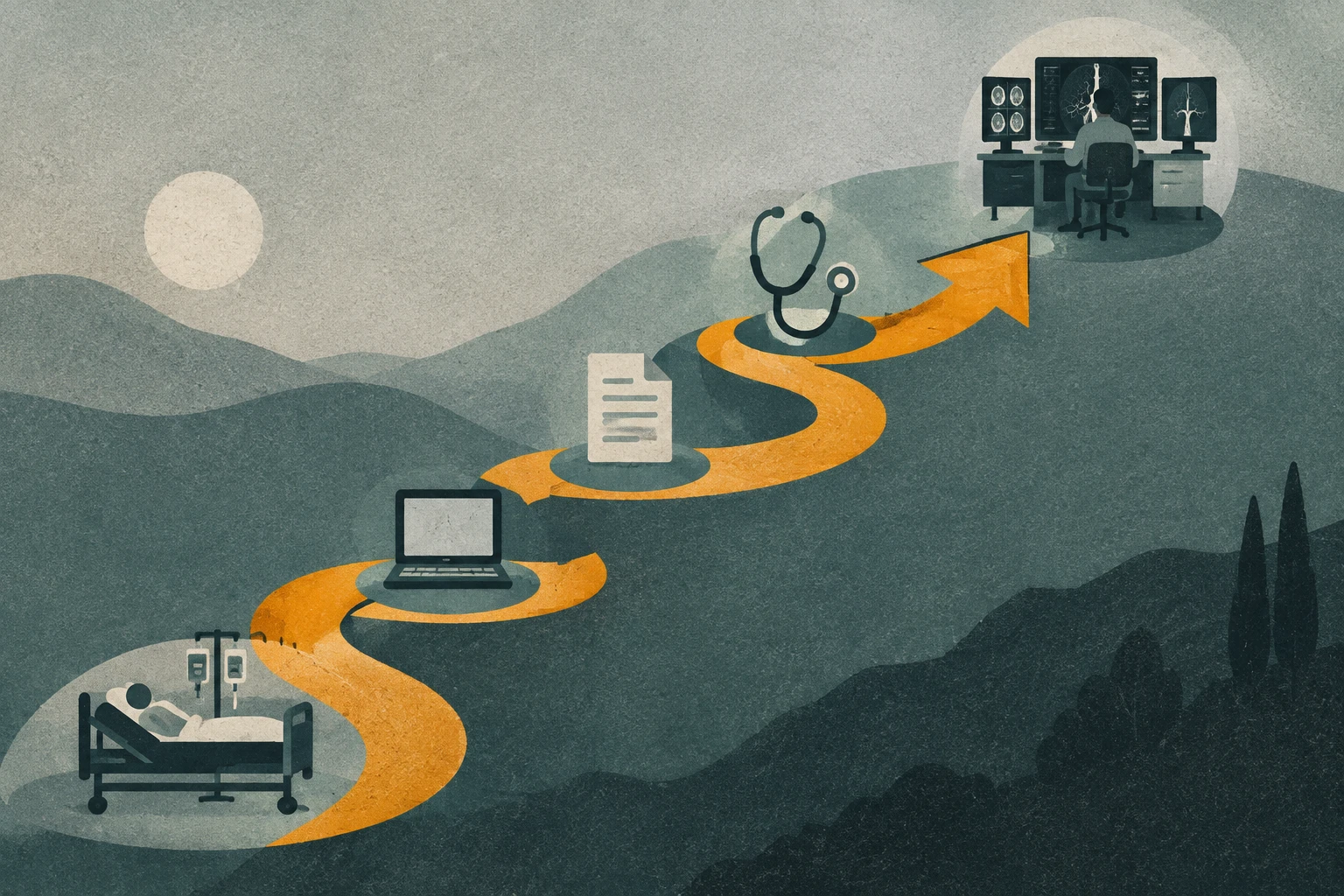
This roadmap gives you a 3-6 month plan to go from bedside to remote CTA. No vague advice. Just execution-level steps.
What qualifications are needed for clinical trial assistant entry level jobs USA?
Most entry-level CTA roles in the US require a minimum of a bachelor's degree in life sciences, nursing, or a related field. For FMGs, your MD is a strong asset, but you must pair it with US-specific clinical research training.
- Education: BS, MS, MD, RN, or equivalent. NIH offers free resources to understand clinical research basics.
- Certification: ICH-GCP certification is non-negotiable. ICH guidelines are the global standard.
- Software: Hands-on familiarity with eTMF (Veeva Vault), EDC (Medidata Rave), and CTMS.
- Soft skills: Attention to detail, communication, and the ability to manage multiple deadlines.
For a deeper dive, see our complete guide to clinical trial assistant entry level jobs USA.
What is the average salary of an entry-level CTA in the US?
Entry-level CTA salary USA ranges from $55,000 to $75,000 per year. In high-cost biopharma hubs like Boston, San Diego, and Research Triangle Park (RTP), expect the higher end. Remote roles may adjust based on your location.
- Base salary: $55k – $70k
- Bonus & benefits: 5-10% annual bonus, health insurance, 401(k)
- Senior CTA: $75k – $95k
After 2-3 years, transitioning to an in-house CRA can push your salary to $85k – $105k. Check ClinicalTrials.gov to see how many trials are active—demand is exploding.
How fast can you advance from CTA to Clinical Research Associate?
The clinical trial assistant career ladder is well-defined. With focused effort, you can move from CTA to in-house CRA in 12-24 months. Here is the typical progression:
- CTA (0-12 months): Master eTMF, site communications, and regulatory binders.
- Senior CTA (12-18 months): Lead smaller studies, mentor juniors.
- In-house CRA (18-24 months): Remote monitoring, site management.
- CRA (24-36 months): On-site monitoring, travel required.
To accelerate, pair your work with a formal certification. Our CRA blueprint breaks down the exact steps. The key? Document your wins in an audit-ready portfolio.
What software tools do Clinical Trial Assistants use daily?
Daily tools for CTA remote jobs in biopharma include:
- Veeva Vault eTMF: For electronic trial master file management.
- Medidata Rave EDC: For electronic data capture and query resolution.
- Argus Safety: For adverse event case processing (ICS R).
- CTMS (e.g., Oracle Siebel): For tracking site visits and milestones.
- Microsoft Excel & SharePoint: For tracking and collaboration.
Employers expect you to know these tools before day one. That is why simulation-based training is critical. FDA regulations (21 CFR Part 11) also require familiarity with electronic records.
Can you work remotely as a CTA in the United States?
Yes. The majority of CTA roles are now remote or hybrid. CROs like IQVIA, ICON, and Syneos hire remote CTAs regularly. Sponsors also offer remote positions. However, competition is fierce.
To stand out, you need:
- A quiet home office and reliable internet.
- Proven ability to work independently across time zones.
- Strong written communication skills.
- Experience with remote collaboration tools (Teams, Zoom, SharePoint).
Remote CTA jobs in biopharma often require occasional travel for investigator meetings, but 90% is desk-based.
Why do Foreign Medical Graduates struggle to land CTA jobs despite their degrees?
Conventional medical education teaches you how to diagnose and treat patients. But it does not teach you how to manage an eTMF, process an adverse event in Argus, or navigate FDA 21 CFR Part 11.
US employers expect:
- Hands-on experience with EDC and eTMF systems.
- Knowledge of ICH-GCP and US regulatory submissions.
- Ability to work in a corporate, deadline-driven environment.
- Familiarity with audit trails and data integrity.
As an FMG, you have clinical insight, but you must bridge the operational gap. That is the difference between getting interviews and getting passed over.
What is the step-by-step roadmap to land a CTA job in 3-6 months?
Follow this execution-level timeline:
- Month 1 – Foundation: Complete an ICH-GCP certification. Learn clinical research terminology. Start reading ClinicalTrials.gov daily.
- Month 2 – Tools: Get hands-on with eTMF, EDC, and CTMS through simulation platforms. Build a mock trial master file.
- Month 3 – Portfolio: Create an audit-ready portfolio with sample case report forms, query resolutions, and adverse event reports.
- Month 4 – Networking: Join ACRP or SOCRA. Attend virtual events. Connect with CTAs on LinkedIn. ACRP is a great starting point.
- Month 5 – Apply: Target CROs, sponsors, and sites. Tailor your resume to highlight transferable skills (patient care, attention to detail).
- Month 6 – Interview & Close: Practice scenario-based interviews. Show your portfolio. Negotiate your salary.
This roadmap works if you commit 10-15 hours per week. The key is simulation-based learning, not just theory.
How can simulation-based learning make you job-ready for CTA roles?
Reading about eTMF is not enough. You need to actually use the tools. Simulation-based learning puts you inside realistic industry scenarios—processing an ICSR in Argus Safety, managing an eTMF in Veeva Vault, or entering data in Medidata Rave.
When you complete simulations, you build a verifiable portfolio. This portfolio proves to hiring managers that you can perform day-one tasks without months of hand-holding. That is the ZANE ProEd difference: we do not teach theory, we build job-ready skills.
Build These Skills Now
Programs from ZANE ProEd Academy that directly address the skill gaps discussed above.
Which professional certifications accelerate your CTA career?
ZANE ProEd Academy offers two flagship programs designed for your exact situation: the Clinical Research Starter Kit and the Clinical Operations Certification.
These are not free courses. They are industry-grade professional certifications that simulate real biopharma workflows. You will work with:
- Argus Safety: Process ICSR cases from start to finish.
- Medidata Rave EDC: Build and manage electronic data capture.
- Veeva Vault eTMF: Organize and maintain trial master files.
- FDA 21 CFR submissions: Understand regulatory pathways.
The ROI? You close the qualification gap, create an audit-ready portfolio, and interview with confidence. Our graduates land roles at top CROs and sponsors. For FMGs and nurses, this is the fastest path to a remote CTA role.
Explore our About page to see how we prepare professionals for high-paying industry roles.
Are you ready to audit your industry readiness?
Do not wait another 6 months. The demand for CTAs is high, but employers are picky. They want proof, not promises.
Take action today:
- Review the simulation curriculum for the Clinical Operations Certification.
- Audit your current skills against our CTA readiness checklist.
- Explore professional certification blueprints tailored for FMGs and nurses.
Your transition from bedside to biopharma starts with one structured step. Let ZANE ProEd be your guide.
Build These Skills Now
Programs from ZANE ProEd Academy that directly address the skill gaps discussed above.
Follow Zane ProEd on Google
Preferred SourceAdd our publication as a preferred source to get the latest clinical research guides, industry updates, and career intel directly in your Google Top Stories & AI Overviews.