Drug Safety Scientist Salary and Qualifications US: ACRP vs SoCRA Career Comparison

Drug Safety Scientist For drug safety scientist salary and qualifications US, expect $85,000–$125,000 annually. Qualifications include a life sciences BS, 2–4 years of pharmacovigilance experience, PBRER/DSUR aggregate reporting, signal detection basics, and FDA safety knowledge. Strong practical casework beats certification alone for new graduates in the US market.
If you feel stuck comparing ACRP (CCRA) and SoCRA (CCRP), you are not alone. Both are respected clinical research certifications, but neither is the main hiring signal for aggregate safety reporting roles. When US recruiters evaluate drug safety scientist salary and qualifications US, they look for hands-on pharmacovigilance evidence first.
As a recent BS Biology, Biochemistry, or Chemistry graduate, you may be asking the wrong certification question. The faster path into drug safety is not another general credential. It is proof that you can process cases, author aggregate reports, and support signal detection.
Build These Skills Now
Programs from ZANE ProEd Academy that directly address the skill gaps discussed above.
This comparison guide separates the noise from the hiring reality. It shows what qualifications actually matter, what salaries look like, and how to build an audit-ready portfolio before the next hiring cycle.
What qualifications do you need to be a Drug Safety Scientist? (Drug Safety Scientist Salary and Qualifications US)
US employers typically require a BS in life sciences, 2–4 years of pharmacovigilance experience for scientist level, and demonstrated aggregate reporting ability. For entry roles, they accept 0–2 years plus a strong portfolio.
- Education: BS in Biology, Biochemistry, Chemistry, Nursing, or PharmD.
- Core systems: Argus Safety, ArisG, Veeva Vault, Medidata Rave basics.
- Regulatory knowledge: FDA 21 CFR, ICH E2B, E2D, E2E, and Good Pharmacovigilance Practices.
- Report skills: PBRER, DSUR, PSUR, line listings, and benefit-risk sections.
- Signal detection: disproportionality metrics, case series review, and safety surveillance.
Certifications such as ACRP CCRA or SoCRA CCRP can help for clinical research roles. They do not replace aggregate safety writing samples or ICSR processing fluency. That distinction explains much of the confusion among new graduates. Review this clinical quality assurance GCP auditor career US ACRP vs SoCRA comparison for more context on credential value.
For official regulatory expectations, start with the FDA and ICH. These sources define the safety reporting framework employers test in interviews.
What is the salary difference between a Safety Associate and a Safety Scientist?
In the US, a Drug Safety Associate usually earns $55,000–$80,000, while a Drug Safety Scientist earns $85,000–$125,000. Senior scientists and aggregate reporting leads can reach $130,000–$150,000+ in biopharma hubs like Boston, RTP, and San Diego.
| Role | Typical Experience | Base Salary | Key Deliverables |
|---|---|---|---|
| Safety Associate | 0–2 years | $55,000–$80,000 | ICSR triage, case processing, follow-up |
| Safety Scientist | 2–4 years | $85,000–$125,000 | PBRER/DSUR authoring, signal review |
| Senior Safety Scientist | 4–7 years | $110,000–$150,000 | Aggregate strategy, audit support |
| PV Lead / Principal | 7+ years | $140,000–$180,000+ | PV system oversight, regulatory inspection readiness |
Cost of living shifts these ranges. Boston, San Diego, and Research Triangle Park often pay above national averages. Entry-level roles may start lower in smaller CROs, but they provide the clinical safety surveillance US experience needed for promotion.
What are aggregate safety reports like PBRER and DSUR?
PBRER and DSUR are periodic aggregate safety reports. The PBRER evaluates benefit-risk for marketed products; the DSUR summarizes safety data during clinical development. The PBRER DSUR safety scientist role involves data review, line listings, and benefit-risk analysis.
- PBRER: usually annual or per regulator; covers interval safety data, expectedness, and benefit-risk.
- DSUR: annual during investigational phase; tracks SAEs, SUSARs, and emerging signals.
- FDA context: pharmacovigilance aggregate reports FDA expects are submitted under 21 CFR and ICH E2C/E2F.
- Tools: Argus Safety, safety databases, MedDRA coding, and Excel line listings.
Employers want evidence you can draft sections, reconcile case counts, and defend conclusions. That is why a writing sample or simulation portfolio matters more than a general certification. Learn more about clinical trial reporting standards at ClinicalTrials.gov.
How do PharmD graduates enter drug safety and signal detection?
A PharmD to drug safety scientist career transition works best through safety associate or clinical safety surveillance roles. PharmDs bring clinical assessment strength, but hiring managers still test aggregate reporting and signal detection fundamentals.
- Learn ICSR triage and MedDRA coding.
- Complete simulated PBRER/DSUR authoring.
- Build a signal detection example using disproportionality metrics.
- Apply to safety associate, PV scientist I, or medical information roles.
Signal detection pharmacovigilance jobs often require familiarity with PRR, ROR, BCPNN, and case series review. PharmDs can stand out by pairing clinical judgment with documented PV workflow experience. Entry-level candidates should review the entry-level drug safety associate jobs USA guide to map realistic first roles.
What does an FDA safety audit evaluate in pharmacovigilance?
An FDA safety audit evaluates whether your pharmacovigilance system captures, processes, and reports safety data consistently. Auditors review SOPs, case timelines, aggregate report submissions, signal management, training records, and CAPA effectiveness.
- ICSR compliance: serious unexpected cases reported within 15 days; non-serious within 90 days.
- Aggregate reports: PBRER/DSUR accuracy, timeliness, and source data reconciliation.
- Signal management: documented detection, evaluation, and action.
- Data integrity: audit trails, access controls, and traceable case narratives.
This is why employers value clinical safety surveillance US experience and audit-ready documentation habits. Certification without practice does not prepare you for these questions. Refer to FDA guidance and ICH standards for the exact expectations.
What does conventional education miss that US employers expect?
Traditional BS programs teach science well, but they rarely teach the operational workflow of drug safety. Employers expect evidence of case processing, aggregate report writing, and audit-ready thinking. This gap is why many graduates feel stuck after earning a credential.
| Conventional Education | Modern Employer Expectation |
|---|---|
| Memorizing pharmacology pathways | Processing ICSRs in Argus Safety with correct MedDRA coding |
| Writing lab reports | Drafting PBRER/DSUR sections with benefit-risk analysis |
| Exam-based certification prep | Building an audit-ready portfolio with traceable decisions |
| General research knowledge | Signal detection, FDA reporting timelines, and CAPA logic |
The ACRP vs SoCRA debate often distracts new graduates from this reality. Those credentials support clinical research pathways, but drug safety scientist hiring depends on demonstrable pharmacovigilance output.
What is the step-by-step pathway to become a Drug Safety Scientist in the US?
- Choose the right entry role: target safety associate, PV coordinator, or medical information associate positions.
- Learn the core systems: complete practical training in Argus Safety, MedDRA coding, and safety database workflows.
- Build aggregate report samples: create a mock PBRER or DSUR with line listings and benefit-risk sections.
- Practice signal detection: run disproportionality metrics and document a case series review.
- Create an audit-ready portfolio: include SOP references, timeline decisions, and quality checks.
- Apply before the next hiring cycle: align your resume and interview stories to the exact scientist competencies.
This pathway closes the qualification gap faster than collecting unrelated certificates. It also gives you concrete answers when interviewers ask about aggregate reporting and safety surveillance.
How do you become job-ready instead of just certified?
Simulation-based learning turns knowledge into verifiable proof. Instead of only passing an exam, you complete industry-grade tasks that mirror real pharmacovigilance work. Employers can see how you process cases, author reports, and document safety decisions.
ZANE ProEd Academy is a premier professional career-certification platform with industry-grade simulation toolkits. These include Argus Safety ICSR case processing, Medidata Rave EDC, Veeva Vault eTMF, and FDA 21 CFR submissions. The goal is structured professional preparation, not passive study.
An audit-ready portfolio demonstrates that you can close qualification gaps before day one. That is the practical difference between being certified and being hireable.
Build These Skills Now
Programs from ZANE ProEd Academy that directly address the skill gaps discussed above.
Which ZANE ProEd programs build aggregate reporting and signal detection proof?
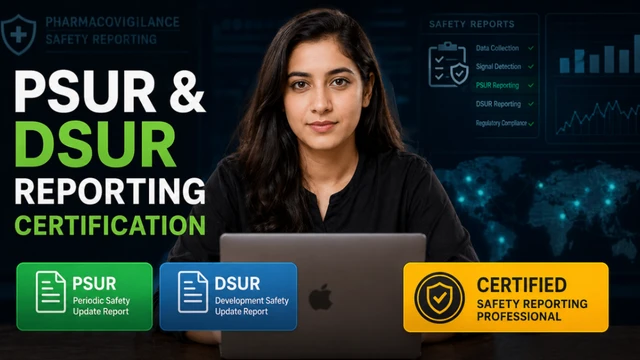
The psur-dsur-reporting-certification program focuses on aggregate safety report authoring, line listings, and benefit-risk evaluation. It prepares you for PBRER/DSUR responsibilities that US employers test in scientist interviews.
The pharmacovigilance-signal-detection-with-ai program builds practical signal detection skills, including disproportionality metrics and case series review. Both programs support an audit-ready portfolio and help you demonstrate ROI from professional certification.
These programs are designed for graduates who want to close qualification gaps and compete for high-paying industry roles. They emphasize execution-level practice, not just theory.
What should you do next to audit your industry readiness?
Start by comparing your current skills against real drug safety scientist job descriptions. Identify gaps in ICSR processing, aggregate reporting, and signal detection. Then choose structured professional preparation that produces evidence.
- Explore Professional Certification Blueprints for aggregate reporting and signal detection.
- Audit your industry readiness against FDA and ICH expectations.
- Review the simulation curriculum and portfolio requirements.
- Plan your application timeline for the next hiring cycle.
For more background on ZANE ProEd and its career-training approach, visit About ZANE ProEd.
Build These Skills Now
Programs from ZANE ProEd Academy that directly address the skill gaps discussed above.
Follow Zane ProEd on Google
Preferred SourceAdd our publication as a preferred source to get the latest clinical research guides, industry updates, and career intel directly in your Google Top Stories & AI Overviews.