How to Become a Clinical Research Associate in India: A Guide for BPharm Freshers

To become a Clinical Research Associate (CRA) in India, you typically need a life science or pharmacy degree (BPharm, MPharm, BSc). The key steps involve mastering Good Clinical Practice (GCP) guidelines, gaining practical skills in trial monitoring and site management, and building a portfolio of hands-on project experience.
You finished your BPharm or MPharm. You did a few internships. But your job search is going nowhere. If you're wondering how to become a clinical research associate in India and feel stuck, you are not alone. Many pharmacy graduates face this exact problem.
The shocking truth is that 90% of freshers fail to get a CRA job for reasons that have nothing to do with their degree. It’s because their college knowledge and internship experience don't match what recruiters in India are actually looking for.
Build These Skills Now
Programs from ZANE ProEd Academy that directly address the skill gaps discussed above.
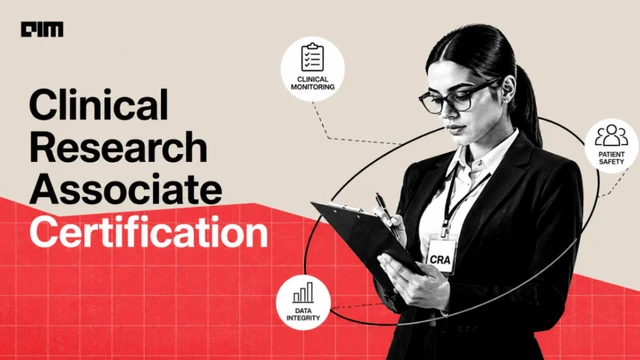
This guide will show you the mistakes you're making and give you a clear, practical path to becoming a job-ready Clinical Research Associate in today's competitive market.
What does a Clinical Research Associate do?
A Clinical Research Associate (CRA), also known as a clinical monitor, is the main point of contact between the sponsor (the company that owns the drug) and the clinical trial site (the hospital or clinic where the research happens). Their job is to ensure the study is conducted correctly and ethically.
The clinical research associate roles and responsibilities are critical. You are responsible for protecting the rights and safety of the trial participants and ensuring the data collected is accurate and reliable. This is a travel-heavy role, as you will visit different sites across the country.
A typical CRA job description includes these tasks:
- Site Monitoring: Regularly visiting hospitals and clinics to check on the progress of the clinical trial.
- Data Verification: Checking patient records against the data entered into the clinical trial software (a process called Source Data Verification or SDV).
- Protocol Compliance: Making sure the doctors and hospital staff are following the clinical trial protocol exactly as written.
- Regulatory Compliance: Ensuring the site follows all rules set by authorities like the CDSCO in India and follows ICH-GCP guidelines.
- Reporting: Writing detailed visit reports after each monitoring visit to document findings, issues, and action items.
- Training Site Staff: Educating doctors, nurses, and coordinators on the trial protocol and procedures.
What is the salary of a CRA in India?
The CRA salary in India is one of the most attractive aspects of this career path for freshers. It offers strong financial growth as you gain experience.
Here’s a realistic breakdown:
- Fresher / Entry-Level CRA (0-1 year experience): The starting salary for a CRA in India typically ranges from ₹3.5 Lakhs to ₹6 Lakhs per annum. This can vary based on the company (MNC vs. local CRO) and location.
- Experienced CRA (2-5 years experience): With a few years of solid monitoring experience, your salary can quickly jump to ₹7 Lakhs to ₹12 Lakhs per annum.
- Senior CRA / Lead CRA (5+ years experience): Senior professionals can earn upwards of ₹15 Lakhs to ₹25 Lakhs per annum or more, especially if they move into project management roles.
Remember, these are base salaries. Many companies also offer travel allowances and performance bonuses, which can increase your total earnings.
What qualifications do you need to become a CRA?
The basic clinical research associate qualification is a degree in life sciences or a related field. Companies in India have a strong preference for candidates from a pharmacy background because of their knowledge of drugs and pharmacology.
The most common educational backgrounds are:
- Bachelor of Pharmacy (B.Pharm)
- Master of Pharmacy (M.Pharm)
- Bachelor of Science (BSc) in Life Sciences (Biotechnology, Microbiology, Zoology)
- Master of Science (MSc) in a related field
- Bachelor of Dental Surgery (BDS) or Bachelor of Ayurvedic Medicine and Surgery (BAMS)
However, your degree is just the entry ticket. Recruiters are looking for candidates who also have a strong understanding of clinical research principles, especially ICH-GCP guidelines, which are the international standard for conducting clinical trials. You can learn more about Indian regulations from the official CDSCO website.
How to get a CRA job with no experience?
This is the biggest challenge for freshers. You need experience to get a job, but you need a job to get experience. Many internships don't provide the real-world exposure needed for a full-time CRA role. The key is to build practical skills that make you look like you already have experience.
The typical CRA career path for freshers often starts in a supporting role, such as a Clinical Trial Assistant (CTA) or a Site Management Associate (SMA). You can learn more about this in our blog post, A Day in the Life of an SMA. However, you can aim directly for a CRA role if you build the right skills.
Here's how to do it:
- Go Beyond Theory: Don't just read about GCP. Learn how to apply it. Understand how a protocol deviation is identified and documented in a real-world scenario.
- Learn the Tools: Get familiar with software used in the industry, like Electronic Data Capture (EDC) systems and electronic Trial Master File (eTMF) systems.
- Build a Project Portfolio: Create sample monitoring visit reports, informed consent form review checklists, and other documents that you can show to a recruiter. This proves you can do the work.
- Focus on Job-Readiness: A simple certification is not enough. You need to be able to answer interview questions with practical examples, not just textbook definitions.
What skills are required for a Clinical Research Associate?
To succeed as a CRA, you need a mix of technical knowledge (hard skills) and personal attributes (soft skills). Recruiters will test you on both during interviews.
Hard Skills (Technical Skills)
- Deep Knowledge of ICH-GCP: This is non-negotiable. You must know the guidelines inside and out.
- Understanding of Drug Development: You should know the different phases of clinical trials and the overall process.
- Clinical Trial Documentation: Familiarity with essential documents like the Investigator's Brochure, Protocol, and Informed Consent Form.
- Computer Proficiency: Comfort with MS Office (Word, Excel, PowerPoint) and the ability to learn clinical trial software quickly.
Soft Skills (Professional Skills)
- Attention to Detail: CRAs review large amounts of data. A small mistake can have big consequences.
- Excellent Communication: You will be talking to doctors, nurses, and project managers. You need to be clear and professional.
- Problem-Solving Ability: Things go wrong at trial sites. You need to be able to think on your feet and find solutions.
- Time Management: You will be managing multiple sites and deadlines. Strong organizational skills are a must.
- Willingness to Travel: The CRA role involves significant travel, sometimes up to 50-70% of your time.
The Gap Between College and a CRA Job
Your BPharm degree taught you a lot about pharmacology and pharmaceutics. But it likely didn't teach you how to review a patient's medical file to verify data points in an EDC system. Your internship might have involved paperwork, but did it teach you how to write a monitoring visit report that an auditor from the FDA would approve?
This is the gap. Companies need freshers who understand the 'how' of the job, not just the 'what'. They need people who can start contributing from day one without months of training.
Your 5-Step Pathway to a CRA Job
Here is a simple, actionable plan to become job-ready:
- Build Your Foundation: Master the fundamentals of ICH-GCP and Indian regulations. Don't just memorize them; understand their practical application.
- Learn the Core CRA Tasks: Focus on the three main activities: site selection, site monitoring, and site close-out.
- Get Hands-On with Industry Tools: Find training that gives you access to simulated EDC, eTMF, and CTMS software. This is a huge advantage.
- Create a Work Portfolio: Complete projects where you create real-world documents. A portfolio of your work is more powerful than a certificate.
- Target Your Job Applications: Update your resume with these new skills and projects. Highlight your practical knowledge, not just your degree. For more details on this, check our main guide on how to become a clinical research associate in India.
Bridging the Gap with Job-Ready Skills
The old method of just getting a certificate is broken. In today's competitive Indian market, you need to prove you can do the job before you get the job. The only way to do that is through practical, hands-on experience.
This is where simulation-based learning comes in. By working on projects that mirror the real daily tasks of a CRA, you build muscle memory and confidence. You learn how to solve problems, use industry software, and create the documents that companies want to see.
Build These Skills Now
Programs from ZANE ProEd Academy that directly address the skill gaps discussed above.
A System for Building Your Career
At ZANE ProEd, we don't just give you video lectures. We provide a complete system designed to make you job-ready. Our Clinical Research Associate Certification program is built on performance-based learning. You learn by doing.
For those looking for a comprehensive understanding of the entire research process, our End-to-End Clinical Research Certification covers everything from study start-up to closure. You'll work within a simulated environment, using the same tools and facing the same challenges as a real CRA. This is how you close the gap between your pharmacy degree and a high-paying job in clinical research.
Are You Ready for a Real CRA Role?
Stop hoping that your degree and internship are enough. It's time to build the practical skills that will get you hired. Take the first step and see how your current skills compare to what top pharmaceutical companies and CROs are looking for.
Build These Skills Now
Programs from ZANE ProEd Academy that directly address the skill gaps discussed above.
Follow Zane ProEd on Google
Preferred SourceAdd our publication as a preferred source to get the latest clinical research guides, industry updates, and career intel directly in your Google Top Stories & AI Overviews.