Pharmacovigilance Jobs Europe Entry Level: The Complete Roadmap to Becoming a Pharmacovigilance Associate
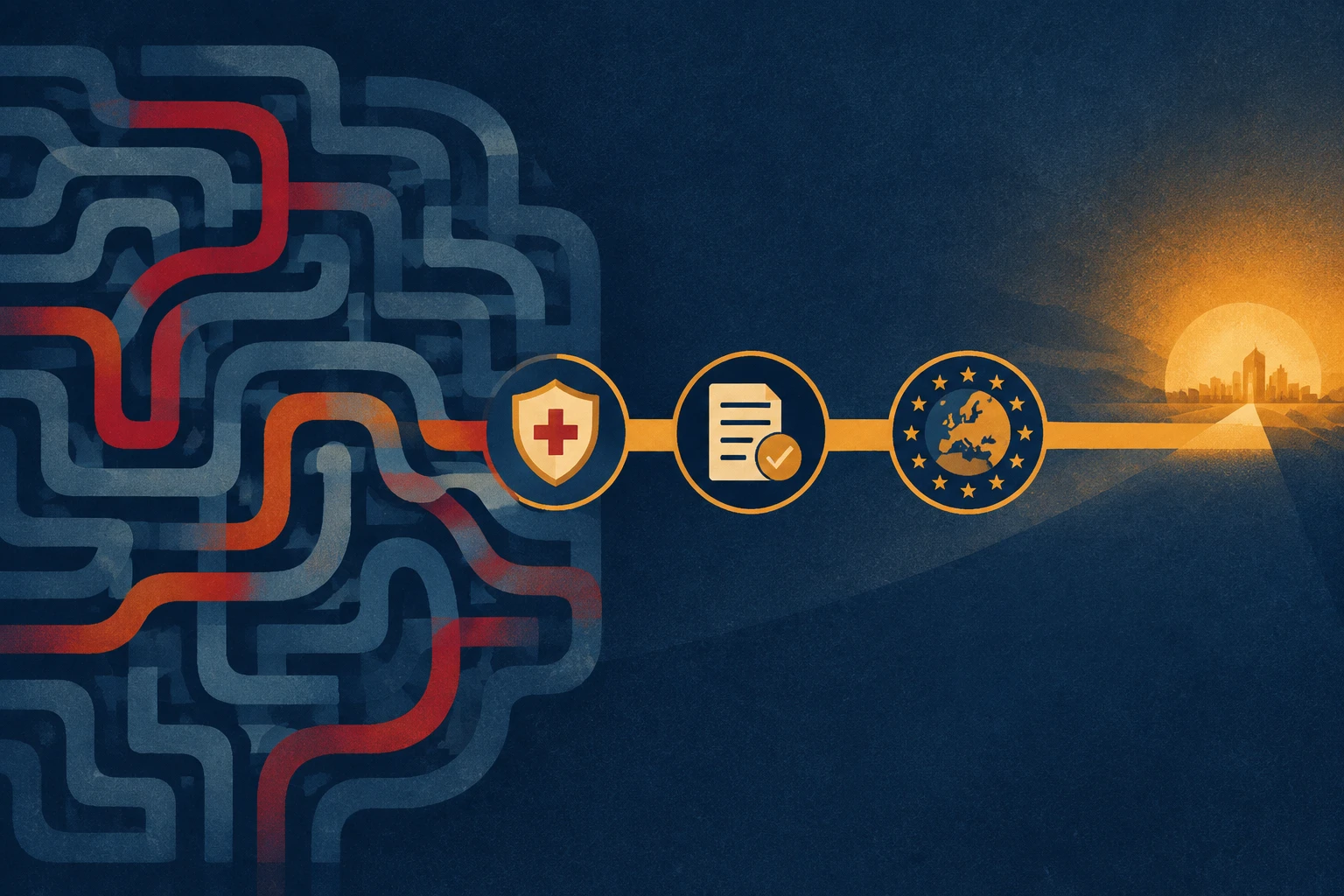
Pharmacovigilance Associate (EudraVigilance / GVP) Pharmacovigilance jobs Europe entry level typically require a life sciences degree, EudraVigilance certification, and GVP knowledge. Roles start at €35,000–€50,000 (£30,000–£45,000) and involve ICSR processing, case triage, and regulatory reporting. To break in, focus on simulation-based training and an audit-ready portfolio.
If you're a BSc or MSc Biomedical Sciences or Pharmacology graduate working as a Clinical Trial Assistant (CTA) in London, Dublin, or Berlin, you're not alone. Many feel stuck, watching peers progress to CRA I while you handle administrative tasks. But here's the truth: pharmacovigilance jobs Europe entry level offer a faster, more stable path into drug safety—and your CTA experience is the perfect springboard.
The problem? Most graduates chase CRA roles without realizing that the Pharmacovigilance Associate track has higher demand, lower competition, and a clear salary ladder. Yet, without the right training, you'll keep hitting the same wall.
Build These Skills Now
Programs from ZANE ProEd Academy that directly address the skill gaps discussed above.

This guide is your insider roadmap. We'll reverse-engineer the success of those who land €45k+ drug safety roles in Frankfurt, Basel, or Cambridge—and show you how to become job-ready, not just certified.
What does a Pharmacovigilance Associate do in European pharmaceutical companies? Pharmacovigilance Jobs Europe Entry Level Insights
As a Pharmacovigilance Associate, your core mission is patient safety. You'll process Individual Case Safety Reports (ICSRs), perform medical evaluation, and ensure compliance with EU GVP Module VI adverse reaction reporting timelines. Daily tasks include:
- Case triage: Assessing seriousness and expectedness of adverse events.
- Data entry: Using tools like Argus Safety or ArisG to log cases.
- Medical coding: Using MedDRA to code events and drugs.
- Follow-up: Requesting missing information from reporters.
- Signal detection: Identifying patterns that may require regulatory action.
In CRO environments, you'll collaborate with ICSR medical evaluation Europe teams, quality assurance, and regulatory affairs. Strong attention to detail and knowledge of EudraVigilance are essential.
What is the salary of a Drug Safety Officer in the UK and Europe?
Salaries vary by location, experience, and sector. Here's what you can expect for drug safety associate salary UK Europe:
- Entry-level (0-2 years): €35,000–€50,000 / £30,000–£45,000
- Mid-level (3-5 years): €50,000–€70,000 / £45,000–£60,000
- Senior (5+ years): €70,000–€85,000+ / £60,000–£75,000+
Private CROs in Cambridge, Dublin, Basel, and Frankfurt typically pay 15–20% more than NHS roles. For example, an NHS Drug Safety Officer might start at £28,000, while a CRO in Dublin offers €45,000. Relocation to hubs like Basel can push salaries even higher. For UK-specific regulations, see the MHRA.
What is EudraVigilance and why is certified training essential?
EudraVigilance is the European Medicines Agency's (EMA) system for managing and analysing suspected adverse reactions. It's the backbone of EU pharmacovigilance. Without EudraVigilance certification EMA, you cannot submit ICSRs electronically, which is a legal requirement.
Certified training is essential because:
- Regulatory compliance: Only certified users can access the system.
- Job requirements: 90% of entry-level PV job ads in Europe list EudraVigilance as a must-have.
- Practical skills: You'll learn to create, validate, and submit ICSRs correctly.
You can learn more at the EMA website.
What are EU Good Pharmacovigilance Practices (GVP Modules)?
EU Good Pharmacovigilance Practices (GVP) are a set of guidelines that ensure consistent safety monitoring across the EU. There are 16 modules, but for entry-level roles, focus on:
- Module VI: Management and reporting of adverse reactions to medicinal products.
- Module I: Pharmacovigilance systems and their quality systems.
- Module IX: Signal management.
Module VI is critical because it defines adverse reaction reporting timelines: 15 days for serious cases, 90 days for non-serious. Employers expect you to know these deadlines and apply them accurately. The ICH provides global guidelines, while the WHO offers additional pharmacovigilance resources.
Is pharmacovigilance a good career choice for European pharmacy graduates?
Absolutely. The pharmacovigilance career path Germany Ireland UK offers exceptional stability, global mobility, and remote work options. Here's why:
- High demand: Every pharmaceutical company needs PV professionals.
- Clear progression: Associate → Senior Associate → Manager → Director.
- Competitive salaries: As shown, you can earn €45k+ within 3 years.
- Transferable skills: Your pharmacology or biomedical science background is directly applicable.
Plus, with increasing regulatory scrutiny, the need for qualified PV staff is only growing. For a broader overview, see our pharmacovigilance jobs Europe entry level guide.
What Skill Gap Prevents You from Landing a Pharmacovigilance Job?
Conventional BSc/MSc programs teach you the science, but not the operational reality of a CRO. Employers expect you to:
- Process an ICSR from start to finish using Argus Safety.
- Apply EU GVP Module VI rules to real cases.
- Perform medical evaluation and coding with MedDRA.
- Understand EudraVigilance submission workflows.
Most graduates have zero hands-on experience. That's why certifications without practice are useless. You need a portfolio that proves you can do the job. If you're currently a CTA, read our guide on clinical trial assistant entry level jobs UK and Europe to see how your skills transfer.
What Is the Step-by-Step Pathway to Pharmacovigilance Jobs Europe Entry Level?
- Master the fundamentals: Learn GVP modules, ICSR processing, and EudraVigilance basics.
- Get certified: Obtain EudraVigilance certification (EMA) and complete a simulation-based PV course.
- Build a portfolio: Process 10+ realistic ICSR cases using Argus Safety and document your work.
- Optimize your CV: Highlight your CTA experience, certifications, and portfolio.
- Apply strategically: Target CROs and pharma companies in Dublin, Frankfurt, Basel, and Cambridge.
- Prepare for interviews: Practice case triage scenarios and regulatory questions.
How Can You Become Job-Ready Instead of Just Certified?
Simulation-based learning is the answer. At ZANE ProEd Academy, we provide industry-grade simulation toolkits that mirror real CRO environments. You'll process ICSRs in Argus Safety, manage clinical data in Medidata Rave EDC, and build an audit-ready portfolio with Veeva Vault eTMF.
This isn't about theory—it's about proving you can do the job on day one. Our programs are designed to close the qualification gap and accelerate your career.
Build These Skills Now
Programs from ZANE ProEd Academy that directly address the skill gaps discussed above.
Which Professional Programs Accelerate Your Pharmacovigilance Career?
Our Industry Essentials of Pharmacovigilance and ICSR Case Processing & Triage programs are built for graduates who want to break into drug safety. You'll learn:
- End-to-end ICSR processing using Argus Safety.
- Medical evaluation and MedDRA coding.
- EudraVigilance submission and GVP compliance.
- Signal detection and risk management.
You'll also create a verifiable portfolio that you can show employers. This is professional preparation, not just certification. The ROI? A direct path to €45k+ roles in Europe's top hubs.
Ready to audit your industry readiness? Explore our professional certification blueprints and review the simulation curriculum. Your future in pharmacovigilance starts with the right preparation.
Build These Skills Now
Programs from ZANE ProEd Academy that directly address the skill gaps discussed above.
Follow Zane ProEd on Google
Preferred SourceAdd our publication as a preferred source to get the latest clinical research guides, industry updates, and career intel directly in your Google Top Stories & AI Overviews.