Medical Coding Jobs for Freshers in India: A Complete Career Guide

Medical coding jobs for freshers in India offer a high-growth career path for life science and pharmacy graduates. You can start with CPC or ICD-10 certification and earn ₹2.5–₹4 LPA entry-level, rising to ₹8+ LPA with experience. Companies like Cognizant, Optum, and Omega Healthcare actively hire coders.
If you have a degree in BSc or MSc Biotechnology, Microbiology, or Biochemistry, you might feel stuck in a low-paying IT or BPO job. The good news? Medical coding jobs for freshers in India can give you a stable, well-paid career using your life science knowledge.
I've reviewed hundreds of resumes and interviewed many freshers. Most of them make the same mistakes. This guide will show you exactly what recruiters look for and how to avoid those mistakes.
Build These Skills Now
Programs from ZANE ProEd Academy that directly address the skill gaps discussed above.
No more guessing. Let's get straight to the truth about medical coding careers.
What is medical coding and how does it work?
Medical coding turns patient diagnoses, procedures, and services into standardized codes like ICD-10-CM, CPT, and HCPCS. These codes are used for billing, insurance claims, and medical records. Every time you visit a doctor, a coder translates your record into codes that insurance companies understand. It's a desk job requiring attention to detail.
The ICD-10 coding career is the most common entry point. ICD-10 codes are maintained by the World Health Organization (WHO). Medical coders work in hospitals, healthcare BPOs, and insurance companies. They ensure that claims are accurate and compliant with regulations.
What is the salary of a medical coder in India?
Medical coder salary in India varies by experience and certification. Here's a realistic breakdown:
- Freshers with no certification: ₹2.0–₹3.5 LPA
- After CPC certification: ₹3.5–₹5 LPA
- 3–5 years experience: ₹5–₹8 LPA
- Senior/specialty coders (e.g., radiology, surgery): ₹8–₹12 LPA
Top hiring companies include Optum, Cognizant, Omega Healthcare, and Episource. Night shifts may pay extra allowances.
How to start a career in medical coding as a fresher?
You don't need a medical degree. A life science background is a big plus. Follow these steps:
- Build your foundation: Learn medical terminology, anatomy, and physiology. If you studied Biotechnology or Microbiology, you already know some of this.
- Take a structured course: A medical coding course for BPharm or life science graduates will teach you ICD-10, CPT, and HCPCS coding. Look for courses with hands-on practice.
- Get certified: The AAPC CPC certification is the gold standard for freshers. It's recognized by employers worldwide.
- Prepare a skills-based resume: Highlight your coding knowledge, attention to detail, and any internship experience.
- Apply to healthcare BPOs: Companies like Cognizant and Omega Healthcare often hire freshers through campus drives or walk-ins. Also check job portals like Naukri and LinkedIn.
If you're switching from IT or BPO, emphasize your data accuracy and process adherence skills.
Read more in our detailed guide: Medical Coding Jobs for Freshers in India – Complete Guide.
What certifications are needed for medical coding?
The most important certification for freshers is the CPC certification India from AAPC (American Academy of Professional Coders). It covers ICD-10-CM, CPT, and HCPCS Level II coding. Other options include:
- CIC (Certified Inpatient Coder) – for hospital inpatient coding
- CCS (Certified Coding Specialist) from AHIMA
- COC (Certified Outpatient Coder) – for outpatient facility coding
CPC is best because it's broad and opens doors in both physician practices and outsourcing companies. The exam has 100 multiple-choice questions and costs around ₹25,000–₹30,000.
Pro tip: Some training providers include exam fees in the course. Check before you join.
Is medical coding a good career for life science graduates?
Yes, it's an excellent fit. As a BSc/MSc in Biotechnology, Microbiology, or Biochemistry, you already understand diseases, drugs, and anatomy. Medical coding vs clinical research: coding is more stable, offers remote work, and doesn't require travel. Clinical research often involves coordinating trials and visiting sites.
Many life science graduates feel that their degree alone isn't enough for a good job. Medical coding lets you use your knowledge in a practical, in-demand role. The work is predictable, and you can grow into auditing or team lead roles.
If you're considering other options like clinical research, check this guide: How to Become a Clinical Research Associate in India – Step-by-Step Guide.
Skill Gap Exposure: What Colleges Teach vs What Employers Expect
Your BSc/MSc syllabus taught you theory: microbial genetics, protein structures, biochemical pathways. But employers need something else:
- Colleges teach: Academic concepts, lab techniques, research theory.
- Employers expect: ICD-10-CM coding guidelines, CPT and HCPCS codes, medical terminology, anatomy, and understanding of HIPAA compliance and insurance claim workflows.
Most freshers lack practical coding experience. They don't know how to read an outpatient record and assign the correct codes. That's why certification alone isn't enough—you need real-life practice.
Structured Pathway to Become a Medical Coder (Step-by-Step)
- Step 1: Refresh Your Anatomy and Medical Terminology – Use free online resources or books. Being comfortable with body systems, diseases, and procedures is crucial.
- Step 2: Enroll in a Simulation-Based Training Program – Choose a course that gives you actual patient records to code, not just theory. This builds your accuracy and speed.
- Step 3: Earn Your CPC Certification – Prepare thoroughly for the AAPC exam. Many trainers offer mock tests and revision sessions.
- Step 4: Build a Portfolio – Compile 10–15 coded records (anonymized) to show employers your skill. This sets you apart from other freshers.
- Step 5: Start Applying and Networking – Attend virtual job fairs, connect with coding professionals on LinkedIn, and apply to internship-to-hire programs.
Bridging the Gap with Simulation-Based Learning
Degrees and theoretical courses don't prepare you for the real job. What you need is a system that replicates the actual coding environment. Simulation-based learning lets you code real-world medical records under guidance, making mistakes and correcting them before you face an employer.
This approach builds accuracy, confidence, and speed—the three things recruiters test for. It's the fastest way to go from 'fresher with a certificate' to 'job-ready coder'.
Build These Skills Now
Programs from ZANE ProEd Academy that directly address the skill gaps discussed above.
How ZANE ProEd's System Works
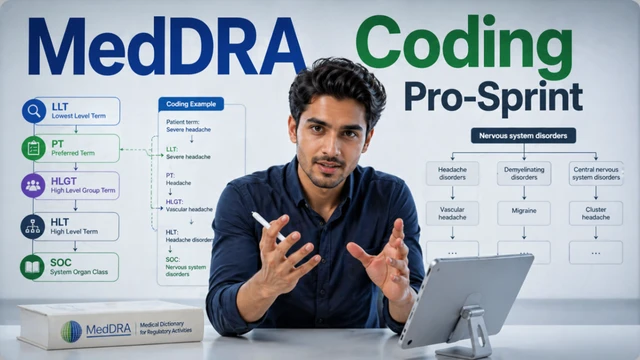
ZANE ProEd offers the MedDRA Medical Coding Certification program—a complete career system, not just a course. You'll work on 100+ real anonymized patient cases across specialties like cardiology, orthopedics, and oncology. The system gives you instant feedback on your coding accuracy, just like an auditor would.
You learn ICD-10, CPT, and HCPCS coding from scratch, and you build a portfolio as you progress. There's also a module on medical terminology and anatomy for those who need a refresher. The program is designed for life science and pharmacy graduates who want to switch to medical coding without wasting time on theory-only courses.
Learn more about how we bridge the gap: About ZANE ProEd.
Check Your Job Readiness
Are you ready to start applying? Take a simple self-assessment: Can you assign the correct ICD-10 code for a case of type 2 diabetes with neuropathy? If not, you need more practice. Use our free resources or talk to our career advisors to see where you stand.
Medical coding jobs for freshers in India are waiting for those who prepare the right way. Start building your skills today.
Build These Skills Now
Programs from ZANE ProEd Academy that directly address the skill gaps discussed above.
Follow Zane ProEd on Google
Preferred SourceAdd our publication as a preferred source to get the latest clinical research guides, industry updates, and career intel directly in your Google Top Stories & AI Overviews.