Medical Writing Career for Freshers India: Myth vs Reality Guide

Medical writing career for freshers India offers a clear path for pharmacy and life science graduates to enter the pharma industry without lab work. It involves creating scientific documents like clinical trial reports, regulatory submissions, and patient education materials, with starting salaries of ₹3–6 LPA.
If you feel stuck after months of job hunting, you’re not alone. Many BPharm and MPharm freshers in India face rejection after rejection. The job market looks crowded, and every posting asks for experience you don’t have. But there is a field that values your degree and needs fresh talent: medical writing.
Medical writing is not about creative writing. It’s about clear, accurate scientific communication. Companies need writers who can turn complex data into documents that regulators, doctors, and patients can understand. And as a pharmacy graduate, you already have the core knowledge to start. This guide busts the myths and shows you the real path to a medical writing career for freshers in India.
Build These Skills Now
Programs from ZANE ProEd Academy that directly address the skill gaps discussed above.
What does a medical writer do?
A medical writer creates documents that support drug development, approval, and marketing. Think of them as the bridge between scientists and the people who need the information. The scientific writing job description goes beyond simple typing — it involves interpreting clinical data and writing in a precise, regulated style.
- Write and edit clinical study reports for new drugs.
- Prepare patient information leaflets and consent forms.
- Draft manuscripts for medical journals.
- Create slide decks and training materials for pharma companies.
- Develop regulatory documents for agencies like CDSCO and US FDA.
In a day, you might review a clinical protocol, check data accuracy, and coordinate with doctors and statisticians. It’s a desk job that needs focus and attention to detail.
What is the salary of a medical writer in India?
The medical writer salary in India varies by experience, location, and company type. Here’s a realistic breakdown for pharmacy freshers:
- Fresher (0–2 years): ₹3–6 Lakhs per annum (LPA). In cities like Mumbai or Bengaluru, you can expect the higher end.
- Mid-level (3–5 years): ₹6–12 LPA. Specializing in regulatory medical writing boosts your earnings faster.
- Senior (5+ years): ₹12–20 LPA and above, especially in global pharma or CROs like Parexel, IQVIA, or Novartis.
Freelance medical writers with strong portfolios can earn ₹500–2000 per page. The key is to start, build skills, and then negotiate. Compared to QC or production roles in pharma, medical writing offers faster salary growth.
How to become a medical writer without experience?
The biggest myth is that you need years of experience to start. In reality, many companies hire freshers if you can show you have the right training. Here’s how to become a medical writer even with zero work experience:
- Learn the basics: Take a medical writing course for BPharm that covers document types and regulatory guidelines. Not all courses are equal—look for ones with hands-on projects.
- Practice with real documents: Draft a sample clinical study report, patient leaflet, or a section of an Investigational Brochure. Use public data from WHO or ICH guidelines.
- Build a portfolio: Put your samples on a free website or a LinkedIn document section. Employers love seeing what you can do, not just your marksheet.
- Network smartly: Connect with medical writers on LinkedIn. Many openings are shared in groups before they hit job portals.
- Apply to the right places: Target clinical research organizations, pharma companies, medical communication agencies, and health-tech startups. Some job titles to search: junior medical writer, scientific content writer, clinical data writer.
What qualifications are needed for medical writing?
A degree in pharmacy or life sciences is the starting point. But beyond that, here’s what employers really look for:
- Education: BPharm, MPharm, BSc/MSc in Biology, Biochemistry, Biotechnology, or related fields. A PharmD or PhD can help but is not mandatory.
- Language skills: Excellent written English and grammar. You’ll be judged on your ability to write clearly and without errors.
- Knowledge of clinical research: Understanding phases of trials, ICH-GCP, and document templates gives you an edge. See our guide on becoming a clinical research associate for fundamentals.
- Tool proficiency: MS Word (styles, formatting), reference management (EndNote, Zotero), and basic Excel. Knowing statistical terms is a plus.
- Certifications: A recognized medical writing certification can validate your skills, especially from programs that involve mentor feedback.
What types of documents does a medical writer create?
Medical writing covers distinct document categories, each with its own purpose:
- Regulatory documents: Clinical study protocols, investigator brochures, common technical documents (CTD), and safety reports. Regulatory medical writing is high in demand and requires strict adherence to agency formats (EMA, FDA).
- Patient-focused documents: Informed consent forms, patient information leaflets, and medication guides. These must be in simple language.
- Publication and medical communication: Manuscripts for journals, abstracts, posters, and slide decks for conferences.
- Promotional materials: Sales force training modules, product monographs, and e-detailing content.
As you gain experience, you might specialize in one area. Most freshers start with patient-focused writing or clinical study reports under supervision.
The Myth vs Reality of Medical Writing Skills
Myth: “My BPharm degree is enough to get hired.”
Reality: Colleges teach theoretical pharmacology and pharmaceutics, but not practical medical writing. Employers want you to draft a clinical protocol or a regulatory submission from day one. Your degree gives you the scientific background, but you need to learn the craft of writing and the industry’s document standards.
Myth: “I need a PhD or years of experience.”
Reality: Freshers with sharp writing skills and a portfolio can get hired. Companies value speed and accuracy. If you can show you’ve practiced writing a regulatory document, you stand out.
Myth: “Medical writing is just copy-pasting templates.”
Reality: It involves critical analysis of data, ensuring scientific accuracy, and tailoring content to different audiences. Mistakes can delay drug approvals or mislead patients. Attention to detail is everything.
Your 5-Step Roadmap to a Medical Writing Job in India
Follow this path to move from confused fresher to job-ready writer:
- Understand the Role: Read job descriptions for medical writer, scientific writer, regulatory writer. Note the common requirements. The primary skill gap is always in document creation, not just knowledge.
- Invest in a Practical Course: Choose a program that simulates real projects. Avoid purely theoretical courses. Look for those that have you write clinical protocols, SOPs, or regulatory modules with feedback from experienced medical writers.
- Create Your Writing Samples: Pick three document types and write them. Use the ICH E6 and ICH M4 guidelines for structure. Save them as PDFs with proper formatting.
- Polish Your LinkedIn Profile: Write a headline like “Pharmacy Graduate | Aspiring Medical Writer | Skilled in Clinical Documentation”. Post your samples, write about industry topics, and engage with content from med comms agencies.
- Apply with Confidence: Search for jobs on Naukri, LinkedIn, and indeed. Filter by “fresher” and location. Reach out to alumni in pharma companies. When you get an interview, be ready to discuss your samples and explain your approach.
Why Traditional Job Prep Fails (And What to Do Instead)
The old way: study theory, get a certificate, and hope for the best. But in today’s competitive market, that’s not enough. Recruiters get thousands of applications. They don’t just want a degree—they want proof you can write a document that meets regulatory standards.
This is where simulation-based learning changes the game. Instead of watching lectures, you actually write documents as if you were on the job. You learn by doing, and you build a portfolio at the same time. That’s the system that works.
Build These Skills Now
Programs from ZANE ProEd Academy that directly address the skill gaps discussed above.
Building Real Skills: The ZANE ProEd Way
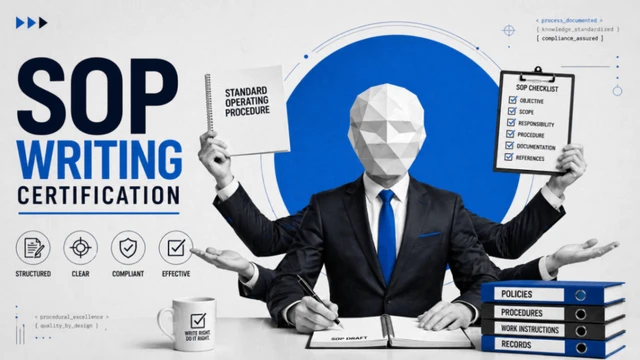
ZANE ProEd focuses on bridging the gap between academic knowledge and industry expectations through scenario-based training. Programs like Clinical Trial Protocol Writing with AI teach you to author a protocol using the latest tools and ICH templates. You’ll work on a full-length protocol, not just a summary. Similarly, SOP Writing Certification walks you through the exact format and language required for standard operating procedures in clinical operations.
These are not typical courses with passive video content. They simulate the pressure and quality standards of a real job. By the end, you have documents you can proudly show to interviewers. Learn more about how ZANE ProEd designs these experiences.
Are You Ready to Break the Rejection Cycle?
Medical writing can be your entry into the pharma industry—but only if you stop relying on just your degree. Check your job readiness. Can you write a clinical study report from scratch? Can you interpret a safety narrative? If not, it’s time to build those skills. Start by drafting one document this week. Then see how your skills compare to what the market demands.
Build These Skills Now
Programs from ZANE ProEd Academy that directly address the skill gaps discussed above.
Follow Zane ProEd on Google
Preferred SourceAdd our publication as a preferred source to get the latest clinical research guides, industry updates, and career intel directly in your Google Top Stories & AI Overviews.