Pharmacovigilance Case Processing Jobs Freshers: Why 90% Fail and How to Get Hired

Pharmacovigilance Case Processor Pharmacovigilance case processing jobs freshers involve receiving, triaging, data-entering and quality-checking adverse event reports in safety databases. In India, BPharm/MPharm graduates can enter through ICSR processing, MedDRA coding and Argus Safety training, targeting ₹3.5–₹5 LPA in Hyderabad, Bangalore, Pune and Mumbai CROs.
If you are a BPharm or MPharm graduate who has recently graduated and is feeling lost, you are not alone. Every year thousands of pharmacy graduates search for pharmacovigilance case processing jobs freshers, but nearly 90% fail at the first screening. The reason is not lack of intelligence. It is lack of workflow proof.
CROs in India do not hire freshers for what they memorized in college. They hire for whether you can open a case, triage seriousness, code with MedDRA, enter data in Argus Safety, and defend your work in a quality check. This mistake audit shows exactly where freshers slip and how to fix it before competition increases further.
Build These Skills Now
Programs from ZANE ProEd Academy that directly address the skill gaps discussed above.
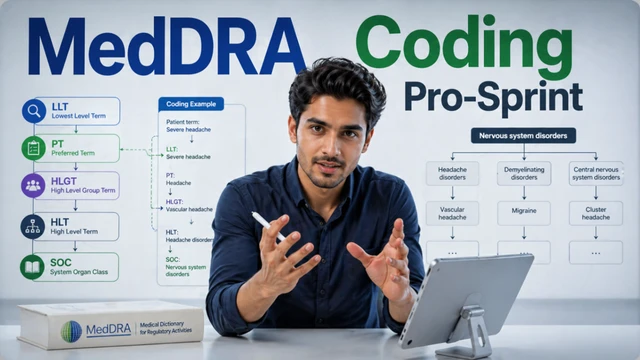
What does a Pharmacovigilance Case Processor do? (Pharmacovigilance Case Processing Jobs Freshers Guide)
A Pharmacovigilance Case Processor is the front-line safety professional who turns an adverse event report into a structured, compliant ICSR. In a CRO environment, your day is built around accuracy, timelines and audit readiness.
Pharmacovigilance case processor job description usually includes:
- Receiving adverse event reports from clinical trials, call centers, literature, and spontaneous sources.
- Triage for seriousness, expectedness, causality and reporting timelines.
- Data entry into safety databases such as Argus Safety.
- MedDRA coding of adverse events, medical history, and concomitant medications.
- Writing case narratives and performing quality checks before submission.
- Following CDSCO, WHO and ICH reporting expectations.
These roles are often advertised as adverse event reporting jobs, drug safety associate roles, or PV case processing positions. The core work is the same: convert messy medical information into a clean, submission-ready case.
What is the salary of a PV Case Processor in India?
PV case processor salary India depends on city, CRO, shift, and your ability to prove database and coding skills. For freshers, the realistic starting range is ₹3.5 LPA to ₹5 LPA. With 2–3 years of strong ICSR experience, it can move to ₹6 LPA to ₹8.5 LPA.
Indian pharma hubs hiring actively include Hyderabad, Bangalore, Pune and Mumbai. Hyderabad has a large CRO cluster. Bangalore and Pune have global capability centers. Mumbai has sponsor and CRO headquarters. Night shifts may add a shift allowance, but do not accept a low fixed salary just because the role is entry level.
Salary is not the only ROI. A first PV job gives you regulated workflow experience, which later opens doors to quality review, aggregate reporting, signal detection, and safety science roles. For a broader view, read the pharmacovigilance jobs for freshers in India career roadmap.
How to get a PV case processing job as a fresher?
You get hired when your application proves that you can work like a trainee who is already half-trained. That means workflow knowledge, tool familiarity, and a portfolio you can discuss.
- Learn the case lifecycle first. Understand source receipt, triage, data entry, coding, narrative, QC, and submission.
- Practice on simulated ICSR cases. Use realistic adverse event scenarios and map them to Argus Safety fields.
- Build MedDRA confidence. Learn how to code events, history, and concomitant medications with correct term selection.
- Create a proof portfolio. Keep anonymized case exercises, coding rationales, and QC checklists in a professional folder.
- Target the right job titles. Search for Drug Safety Associate, PV Case Processor, Safety Data Specialist, and adverse event reporting jobs in CROs.
- Prepare for the interview workflow test. Freshers are often given a mini case, seriousness questions, and a MedDRA coding scenario.
Do not wait for a company to train you from zero. The market expects basic tool and workflow knowledge on day one. The signal detection pharmacovigilance career roadmap handbook helps you see the long-term path after your first case processing role.
What is ICSR processing in pharmacovigilance?
ICSR processing is the structured handling of an Individual Case Safety Report from receipt to submission. In an ICSR processing career, you learn that speed matters, but accuracy matters more. A single wrong seriousness criterion can trigger a compliance risk.
The workflow usually runs like this:
- Intake: collect the report and check minimum criteria: identifiable patient, reporter, product, and adverse event.
- Triage: decide seriousness, expectedness, and reporting timeline.
- Data entry: enter patient, product, event, reporter, and narrative details into a safety database.
- Coding: apply MedDRA terms and company drug dictionary codes.
- Narrative writing: summarize the case without adding unsupported information.
- Quality check: verify consistency, completeness, and regulatory deadlines.
- Submission: route the case to the required authority or partner.
This is why ICSR processing is the strongest entry point for freshers. It teaches the grammar of pharmacovigilance. It also builds the discipline needed for aggregate reports and signal review.
What is MedDRA coding and how is it used in PV?
MedDRA is the Medical Dictionary for Regulatory Activities. It gives safety teams a standard language to code adverse events, medical history, and investigations. MedDRA coding for freshers is not about memorizing codes. It is about choosing the most accurate term without changing the reporter meaning.
In daily PV work, MedDRA coding helps you:
- Group similar adverse events for safety review.
- Support signal detection and aggregate reporting.
- Maintain consistency across cases and countries.
- Improve searchability in safety databases.
Freshers make three common mistakes: coding from the narrative instead of the reporter words, choosing an overly broad term, and ignoring medical history terms. In a CRO environment, a coding error can travel into a periodic report, so QC is strict.
Why do 90% of BPharm/MPharm freshers fail to get PV case processing jobs?
Conventional education teaches pharmacology, pharmaceutics, and pharmaceutical chemistry. It rarely teaches the actual pharmacovigilance case processor job description workflow. That is the gap.
What college teaches:
- Definitions of adverse drug reactions.
- Importance of pharmacovigilance in theory.
- Regulatory bodies and basic classification.
What CRO employers expect:
- Hands-on understanding of ICSR triage and case lifecycle.
- Argus Safety field mapping and data entry discipline.
- MedDRA coding logic and QC checklists.
- Ability to explain seriousness, expectedness, and causality.
- Portfolio proof that you can follow a regulated workflow.
The mistake is treating PV as a theory subject. Recruiters treat it as an operations job. Once you understand that, your preparation changes completely. You stop collecting notes and start building evidence.
What is a step-by-step roadmap to get PV case processing jobs as a fresher?
Use this practical roadmap to move from lost graduate to interview-ready candidate in 3–6 months.
- Month 1 – Learn the case lifecycle. Study intake, triage, data entry, coding, narrative, QC, and submission. Understand CDSCO, WHO, and ICH basics.
- Month 2 – Practice ICSR processing. Work through simulated cases. Write seriousness rationales and create QC checklists.
- Month 3 – Build MedDRA coding skill. Practice coding events, history, and medications. Keep a log of tricky terms and your rationale.
- Month 4 – Learn a safety database workflow. Get familiar with Argus Safety screens, case tabs, and field-level accuracy.
- Month 5 – Build a portfolio. Prepare anonymized case exercises, coding samples, and a one-page workflow map.
- Month 6 – Apply and interview. Target CROs in Hyderabad, Bangalore, Pune, and Mumbai. Practice mini-case tests and workflow explanations.
How does simulation-based learning close the PV experience gap?
Simulation-based learning gives you something a textbook cannot: workflow evidence. You practice cases in the same sequence a CRO uses, make decisions, correct errors, and document your rationale.
Verifiable portfolio proof changes the interview conversation. Instead of saying I know pharmacovigilance, you can show how you triaged a serious case, coded the event, and completed a QC check. That is the difference between a fresher who is guessing and a fresher who is trainable.
Build These Skills Now
Programs from ZANE ProEd Academy that directly address the skill gaps discussed above.
For a broader career view, review About ZANE ProEd.
Which ZANE ProEd programs prepare you for ICSR and MedDRA roles?
ZANE ProEd Academy is a professional career-certification platform built around industry-grade simulation toolkits. The focus is not passive learning. It is structured preparation for regulated CRO workflows.
The ICSR Case Processing & Triage program helps you practice case intake, seriousness assessment, data entry, narrative writing, and quality checks using an Argus Safety-style workflow. The MedDRA Medical Coding Certification program builds term-selection discipline for adverse events, medical history, and medications.
You also gain exposure to the wider tool ecosystem employers recognize, including Argus Safety ICSR case processing, Medidata Rave EDC, Veeva Vault eTMF, and FDA 21 CFR submissions. This is how you close the qualification gap and build an audit-ready portfolio.
Professional certification is an investment in proof. It shows recruiters that you understand the workflow, the documentation standards, and the quality culture of a CRO. That is the ROI that matters when competition increases further.
What should you do next to audit your industry readiness?
Start with an honest gap check. Can you explain triage? Can you code a case with MedDRA? Can you map an adverse event to a safety database? If the answer is no, build those skills before applying.
Explore Professional Certification Blueprints, review the simulation curriculum, and audit your industry readiness against real PV case processing expectations. You do not need to wait for a company to notice you. You need to become visibly prepared.
Build These Skills Now
Programs from ZANE ProEd Academy that directly address the skill gaps discussed above.
Follow Zane ProEd on Google
Preferred SourceAdd our publication as a preferred source to get the latest clinical research guides, industry updates, and career intel directly in your Google Top Stories & AI Overviews.