QA QC Pharma Jobs for Freshers: Complete Career Guide

QA/QC Executive (Pharma) QA QC pharma jobs for freshers are entry-level roles in drug manufacturing where you check products for safety and quality. Freshers with BSc, BPharm, or Life Science degrees can start as QA/QC Executives. You monitor production lines, test samples, and ensure medicines meet government standards.
If you just finished your BSc, BPharm, or any Life Science degree, you might feel lost. Colleges rarely teach what pharma companies actually want. But here’s what hiring managers say when they sort 1000+ resumes for QA QC pharma jobs for freshers.
The gap between your college lab and a GMP pharma plant is huge. But you can close it. This guide shows you the exact path from a recruiter’s eyes. No theory—only what gets you hired.
Build These Skills Now
Programs from ZANE ProEd Academy that directly address the skill gaps discussed above.
What is the difference between QA and QC in pharma?
Recruiters often see freshers mixing up QA and QC. Understanding this is your first step to stand out.
- Quality Assurance (QA): Focuses on preventing mistakes. It’s about processes, documentation, and making sure the entire manufacturing follows rules. Think of it as building a strong fence so no errors happen.
- Quality Control (QC): Focuses on finding mistakes. It’s about testing raw materials, in-process samples, and finished products. Think of it as inspecting the final output to catch any defects.
For example, QA writes the standard operating procedures (SOPs) and audits the plant. QC runs the lab tests like dissolution, assay, and pH. Both are critical, but your daily work will differ. This difference between QA and QC in pharma is a common interview question.
What is the salary of a QA/QC Executive in India?
Let’s talk numbers. Quality assurance pharma salary for freshers ranges from ₹2.5 lakh to ₹4 lakh per year. With 2-4 years of experience, you can earn ₹5-8 lakh. Senior executives make up to ₹10 lakh in top companies like Sun Pharma, Cipla, or Dr. Reddy’s.
In metro cities like Hyderabad, Mumbai, or Ahmedabad, salaries are higher. But smaller towns still offer good packages. QC roles often pay slightly more initially because of lab shift duties. QA salaries pick up as you move into regulatory affairs or compliance.
How to get a QA/QC job in pharma as a fresher?
Here’s the proven roadmap from recruiters:
- Fix your resume: Highlight any lab instrumentation skills (HPLC, UV, dissolution). Even college projects count. Add keywords like “GMP”, “SOP”, “batch record review”.
- Build practical knowledge: Don’t just read books. Learn how a real pharma plant works. Understand ICH guidelines and CDSCO rules. Recruiters love candidates who speak their language.
- Get certified: Short-term certifications in quality management or GMP manufacturing make your CV jump to the top. They show you’re serious and already trained.
- Apply smart: Avoid mass emails. Target entry-level openings on LinkedIn, Indeed, and company career pages. Follow pharma HR pages. Network with alumni working in QA/QC.
- Prepare for interviews: Expect questions like: “What is an SOP?”, “How do you handle a deviation?”, “Explain the difference between QA and QC.” Practice with QA QC interview questions commonly asked in pharma.
What qualifications are needed for QA/QC in pharma?
You need a BSc, BPharm, MSc, or related Life Science degree. Even BTech or BCA grads can enter through IT roles in QA (like documentation systems). But to become a QA/QC Executive, a science background helps a lot.
Key skills employers look for:
- Good documentation practices (GDP)
- Understanding of GMP and GLP
- Knowledge of analytical instruments (HPLC, GC, spectrophotometer)
- Basic computer skills (MS Office, maybe LIMS software)
- Attention to detail and problem-solving attitude
Many freshers miss the practical part. That’s where targeted training bridges the gap. Check our QA QC pharma jobs for freshers roadmap for a deeper dive.
What does a QA/QC Executive do daily?
The QA QC executive job description varies by function:
In QA:
- Review batch production records for completeness and accuracy.
- Check line clearance before new batch starts.
- Perform in-process quality checks (weight variation, hardness).
- Handle deviations and change controls.
- Conduct area audits and verify environmental monitoring.
In QC:
- Sample raw materials, packaging materials, and finished products.
- Run analytical tests like dissolution, assay, related substances.
- Calibrate and maintain lab instruments.
- Document test results in LIMS or lab notebooks.
- Investigate out-of-specification (OOS) results.
Both roles demand strict adherence to protocols. A simple mistake can lead to batch rejection. That’s why companies test your attention to detail heavily during interviews.
What colleges teach vs. what employers expect
Your degree gave you theory. But the pharma industry runs on practical systems. Here’s the reality check:
| College Focus | Industry Expectation |
|---|---|
| Theory of HPLC and UV | You can calibrate HPLC and troubleshoot basic errors |
| Academic lab reports | You can review 100-page batch records for GMP compliance |
| Concept of SOPs | You can write a clear SOP using industry templates |
| General quality concepts | You know FDA warning letters and EMA regulations |
This gap is why many freshers struggle. But smart ones use simulation-based platforms to practice real tasks before interviews. They walk in already knowing how to handle a deviation or review a batch record.
Your step-by-step path to a QA/QC job
- Learn the basics: Spend 2 weeks understanding GMP, GDP, and QA/QC fundamentals. Free resources from WHO and ICH help. But focus on application, not just reading.
- Master batch release: This is the core of QA. Get a certification that simulates the batch review process. It’ll teach you what to check and why.
- Practice in a simulated environment: Instead of just watching videos, use interactive labs where you face real-world scenarios. This builds confidence and a portfolio to show recruiters.
- Build a small portfolio: Create a document with sample SOPs you wrote, a mock deviation report, or a batch record with errors you caught. Share it online (LinkedIn).
- Apply and ace interviews: Now your resume won’t be rejected at the first glance. You’ll answer questions with real experiences, not just textbook definitions.
Close the gap with the right system
Books and YouTube can’t give you the hands-on practice that pharma giants demand. That’s why simulation-based learning is becoming the new standard. It puts you inside a virtual pharma plant where you execute QA/QC tasks exactly like on the job.
For instance, ZANE ProEd offers immersive courses that recreate real pharmaceutical quality scenarios. You don’t just learn—you do. This approach has helped many freshers land roles even without prior industry experience.
Build These Skills Now
Programs from ZANE ProEd Academy that directly address the skill gaps discussed above.
How ZANE’s system prepares you
Two specific certifications can transform your profile:
- Quality Management System Certification: This isn’t a theory crash course. It’s a simulation where you build and audit a QMS. You learn CAPA, change control, and document management by actually doing them. Recruiters instantly recognize this as job-ready skill.
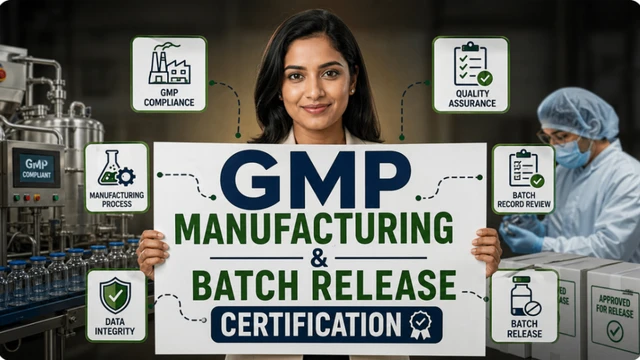
- GMP Manufacturing Batch Release Certification: You step into the role of a QA executive reviewing a real batch record. The simulation throws errors, missing signatures, and data discrepancies. You must find them and make release decisions. This is exactly what you’ll do on day one at work.
These aren’t passive video courses. They’re interactive systems designed with industry veterans. They fill the exact gap between your degree and a pharma job.
Your next move
Don’t wait until you face another rejection. QA QC pharma jobs for freshers are abundant—but only for those who show they can handle real responsibilities. Check your job readiness today. See how your skills stack up against what recruiters actually demand.
Take a quick skill assessment or explore the simulation-based programs. The pharma industry needs detail-oriented, process-driven people. That could be you, starting now.
Build These Skills Now
Programs from ZANE ProEd Academy that directly address the skill gaps discussed above.
Follow Zane ProEd on Google
Preferred SourceAdd our publication as a preferred source to get the latest clinical research guides, industry updates, and career intel directly in your Google Top Stories & AI Overviews.