QA QC Pharma Jobs for Freshers: Step-by-Step Career Roadmap

QA QC pharma jobs for freshers are entry-level roles ensuring medicines are safe and effective. QA (Quality Assurance) focuses on process documentation, while QC (Quality Control) involves lab testing. Freshers need a BSc or B.Pharm degree and knowledge of GMP guidelines. Starting salary is ₹2.5–4.5 LPA.
If you feel stuck after graduation, you are not alone
You finished your BSc, BCA, or BTech. Maybe you even worked in IT or BPO. Now you want a stable career, and QA QC pharma jobs for freshers seem like a real opportunity. But every job posting asks for experience you don't have. The gap between college and industry is massive. You feel lost.
Here's the truth: the pharma industry needs freshers, but they need you to understand what the job actually involves. This guide breaks it down step by step. No fluff.
Build These Skills Now
Programs from ZANE ProEd Academy that directly address the skill gaps discussed above.
What is the difference between QA and QC in pharma?
Many freshers confuse these two roles. They work together but are not the same. The difference between QA and QC in pharma is simple:
- QA (Quality Assurance) keeps processes right. It focuses on documentation, systems, and preventing mistakes. QA executives check if Standard Operating Procedures (SOPs) are followed, review batch records, and handle audits. Think of them as the process police.
- QC (Quality Control) tests the product. QC analysts work in labs, running chemical and physical tests on raw materials, in-process samples, and finished drugs. They use instruments like HPLC and dissolution testers. If something fails a test, QC stops it.
In short: QA is preventive, QC is detective. Both are essential for safe medicines.
What is the salary of a QA/QC Executive in India?
Quality assurance pharma salary for freshers varies by location and company size. Here is a realistic range:
- QA QC Executive (fresher): ₹2.5–4.5 Lakhs per annum (LPA). In metro cities like Mumbai or Hyderabad, it can be slightly higher.
- QC Analyst (fresher): ₹2.0–3.5 LPA. Some companies offer only ₹15,000–20,000 per month initially.
With 2–3 years of experience, you can expect ₹5–7 LPA. Government pharma jobs may pay less but offer security. Don't just chase a high number now; focus on learning and getting your foot in the door.
How to get a QA/QC job in pharma as a fresher?
This is the core question. The Indian job market is competitive, but you can stand out if you follow a clear plan. Here is a 5-step roadmap:
- Understand the basics: Learn Good Manufacturing Practices (GMP) from official guidelines by ICH and WHO. These are the foundation of every QA/QC role.
- Get certified: Employers trust practical skills. Look for courses that teach you how to review a batch record or operate a HPLC simulator. Later we'll show you a system for this.
- Tailor your resume: Don't just list your degree. Write about lab techniques, software skills, or any project where you checked accuracy. Use keywords from the QA QC executive job description.
- Apply smart: Target small-to-medium companies and contract laboratories. They often hire freshers more quickly. Use job portals but also visit company websites directly.
- Prepare for interviews: Expect questions on GMP, SOPs, and basic analytical chemistry. We'll cover common QA QC interview questions later.
Remember, this is not about luck. It's about showing you can do the job from day one.
What qualifications are needed for QA/QC in pharma?
The minimum qualification for QA QC pharma jobs for freshers is usually a Bachelor's degree in science or pharmacy. Specifically:
- BSc in Chemistry, Microbiology, or Life Sciences.
- B.Pharm or M.Pharm is highly valued.
- Even BCA or BTech graduates can enter if they complete a bridging course in pharma regulations.
Some employers prefer candidates with a diploma in QA/QC, but that's not mandatory. More important is hands-on understanding. If you switched from IT or BPO, highlight your attention to detail and process compliance skills.
What does a QA/QC Executive do daily?
The QA QC executive job description often sounds vague. Here's what you actually do on a typical day:
For QA Executives:
- Review batch manufacturing records for errors.
- Check cleaning logs and equipment calibration.
- Walk production areas to verify worker hygiene and gowning.
- Prepare documents for regulatory audits by CDSCO or US FDA.
- Investigate any 'deviations' from procedures.
For QC Analysts:
- Collect samples of raw materials or finished tablets.
- Perform tests like dissolution, hardness, or purity using HPLC.
- Record data in LIMS (Laboratory Information Management System).
- Compare results against pharmacopoeia standards (Indian, British, or US).
- Report any out-of-specification results immediately.
Both roles require strong documentation skills and zero-error mindset. A single mistake can stop a batch from shipping.
The hidden skill gap colleges never talk about
Your BSc syllabus covered theory: organic chemistry, microbiology, maybe some instruments. But did you ever walk through a virtual pharmaceutical factory? Did you practice filling a batch release form? Probably not.
Employers expect you to know how the shop floor works. They want you to understand line clearance, area classification, and documentation. This is the reality trigger. In India, thousands apply for each fresher role—only those with practical awareness get hired.
How to bridge the gap in 6 weeks
You don't need to go back to college. You need a simulation-based learning system that mirrors real pharma environments. Imagine practicing QA document review or QC sample testing online, exactly as it happens in a company. Then, you can walk into interviews and speak the language of the industry.
That's where a structured program changes everything. Look for courses built by industry veterans that include case studies, not just lectures.
Build These Skills Now
Programs from ZANE ProEd Academy that directly address the skill gaps discussed above.
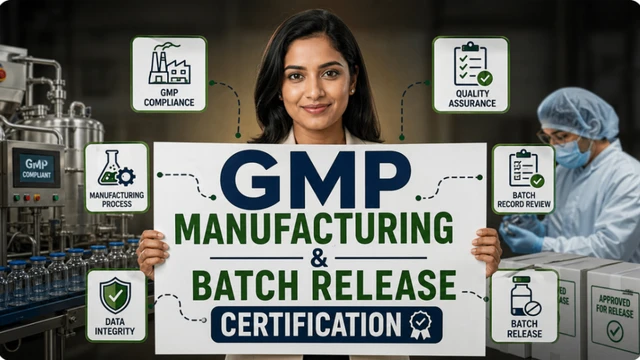
For example, courses like GMP Manufacturing and Batch Release and Quality Management System teach you the exact skills hiring managers look for. They cover:
- How to review a batch record in a simulated environment.
- Understanding quality risk management as per EMA guidelines.
- Root cause analysis for deviations.
- SOP writing and audit trail review.
These are not just concepts; they are tasks you will perform daily. By completing such a program, you build a portfolio of practical evidence to show employers.
Ready to test your job readiness?
You've read the roadmap. Now, take action. Check how your current skills compare to what QA QC pharma jobs for freshers actually demand. Our free simulation tool at ZANE ProEd lets you experience a day in the life of a QA executive. See for yourself where you stand.
Also, explore our detailed guide on related careers like Pharma Validation Specialist to broaden your options.
Build These Skills Now
Programs from ZANE ProEd Academy that directly address the skill gaps discussed above.
Follow Zane ProEd on Google
Preferred SourceAdd our publication as a preferred source to get the latest clinical research guides, industry updates, and career intel directly in your Google Top Stories & AI Overviews.