Regulatory Affairs Career Path India: Step-by-Step Guide for Freshers

Regulatory Affairs Career Path India A regulatory affairs career path India involves managing drug registration with CDSCO, preparing CTD/eCTD submissions, and ensuring compliance. Freshers with life sciences degrees can start as associates, earning ₹3-6 LPA, and advance to senior roles with experience.
What does a Regulatory Affairs Associate do?
A Regulatory Affairs Associate helps pharmaceutical companies get government approval to sell their drugs. Their daily tasks include:
- Preparing registration documents (dossiers) in CTD or eCTD format.
- Coordinating with the Indian drug regulator, CDSCO, for product approvals.
- Reviewing drug labels and packaging to meet legal standards.
- Staying updated on new guidelines from ICH, WHO, and other bodies.
In short, they are the bridge between the company and health authorities. Read the full regulatory affairs job description to know more.
Build These Skills Now
Programs from ZANE ProEd Academy that directly address the skill gaps discussed above.
What is the salary of a Regulatory Affairs Associate in India?
The regulatory affairs associate salary in India varies by experience and company type:
- Freshers (0-2 years): ₹3,00,000 - ₹6,00,000 per year.
- Experienced (3-5 years): ₹6,00,000 - ₹10,00,000 per year.
- Senior roles (5+ years): ₹10,00,000 - ₹20,00,000 per year.
MNCs and CROs typically pay higher than domestic generic companies. With demand growing in 2026, salaries are rising steadily.
How to get into regulatory affairs without experience?
Getting hired without experience is the biggest hurdle. But you can overcome it by:
- Learning the CDSCO registration process and global submission standards (CTD/eCTD).
- Taking a simulation-based regulatory affairs course for freshers that provides hands-on dossier practice.
- Building a portfolio with mock documents—a cover letter, a completed CTD module, or labeling review.
- Networking on LinkedIn with professionals in regulatory affairs.
The right course can show recruiters you are job-ready even without prior company experience.
What is CTD/eCTD in drug registration?
CTD stands for Common Technical Document, a globally accepted format for presenting drug safety and efficacy data to regulators. eCTD is the electronic version used by agencies like ICH. India’s CDSCO registration process now accepts eCTD submissions. The document has five modules covering administrative info, quality data, non-clinical studies, clinical studies, and regional specifics. Mastering CTD eCTD submissions is a must-have skill for any associate.
What skills are required for regulatory affairs?
To succeed, you need a mix of technical and soft skills:
- Knowledge of drug regulatory guidelines (ICH, WHO, CDSCO, FDA).
- Ability to compile and review dossiers with zero errors.
- Scientific writing and attention to detail.
- Project management—tracking multiple applications.
- Communication—explaining regulatory needs to non-regulatory teams.
These are not taught in typical BSc or MSc programs. That’s why targeted training is essential.
The Skill Gap: What Colleges Don’t Teach
Your degree gave you biology and chemistry theory. But recruiters expect you to know:
- How to actually write a regulatory submission for CDSCO.
- How to use eCTD publishing tools.
- The latest drug approval timelines and fees in India.
- How to handle post-approval changes and renewals.
Without these practical skills, freshers get rejected. Traditional courses rarely offer real-life simulation.
Your 6-Step Roadmap to a Regulatory Affairs Job in 2026
- Understand the role—read 10 job descriptions and note common requirements.
- Upskill with a practical program—choose a course that lets you build mock submissions and learn CDSCO processes.
- Practice with real document formats—create a sample CTD module, a cover letter, and a regulatory gap analysis.
- Polish your digital presence—update LinkedIn with keywords like “CTD”, “eCTD”, “CDSCO”, and list any hands-on projects.
- Apply strategically—focus on CROs, mid-size pharma, and companies expanding in India; use Naukri, Indeed, and company career pages.
- Ace the interview—prepare answers about your product knowledge, what CDSCO requires for drug approval, and your simulated project experience.
This roadmap has helped many life sciences freshers escape the rejection loop and start earning within months.
The Missing Link: Simulation-Based Training
Theoretical courses alone won’t get you hired. You need to show proof you can handle real tasks. That’s where simulation-based learning changes the game. By working on authentic regulatory scenarios, you build a portfolio that speaks louder than a degree. Recruiters see you as a low-risk hire who can contribute from day one.
Build These Skills Now
Programs from ZANE ProEd Academy that directly address the skill gaps discussed above.
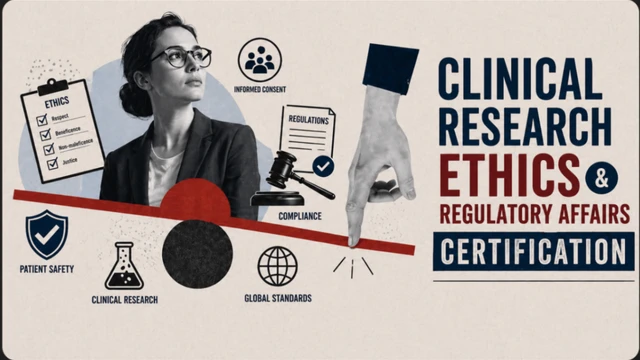
One such program is the clinical-research-ethics-regulatory-affairs-certification from ZANE ProEd. It doesn’t just teach theory—it immerses you in real CDSCO submission projects, eCTD publishing tools, and global regulatory frameworks. You’ll complete case studies that mirror industry work, giving you concrete talking points in interviews. Learn more about how ZANE ProEd builds job-ready skills without fluff or outdated content.
Ready to test your readiness? Take our quick self-assessment and see where you stand against the job market. Check your job-readiness now.
Build These Skills Now
Programs from ZANE ProEd Academy that directly address the skill gaps discussed above.
Follow Zane ProEd on Google
Preferred SourceAdd our publication as a preferred source to get the latest clinical research guides, industry updates, and career intel directly in your Google Top Stories & AI Overviews.