Clinical Data Management Career for Freshers: A Guide for Chemistry Graduates

Clinical Data Manager (CDM) is an excellent career path for BSc/MSc Chemistry freshers. It involves managing data from clinical trials to ensure it is clean, accurate, and ready for analysis. This role requires strong attention to detail, knowledge of industry standards, and proficiency in data management software.
Starting a clinical data management career for freshers can feel like finding a hidden door, especially after a career gap. If you have a BSc or MSc in Chemistry, you might think your options are limited to labs or academia. But there is a huge opportunity in the world of clinical research that values your analytical skills.
Clinical Data Management (CDM) is a fast-growing field in India. It's the backbone of every successful clinical trial. For Chemistry graduates, this is a chance to use your scientific mindset in a stable, tech-focused corporate environment. You don't need a medical background, just the right skills.
Build These Skills Now
Programs from ZANE ProEd Academy that directly address the skill gaps discussed above.
This guide provides a clear, step-by-step roadmap for you. We will break down what a CDM does, what you can earn, and exactly how to start, even with a gap in your resume. Let's explore this promising career path together.
What does a Clinical Data Manager do?
A Clinical Data Manager (CDM) is like a quality controller for clinical trial data. Their main job is to make sure all the data collected from patients during a study is accurate, complete, and reliable. This is critical for getting new drugs approved by authorities like the CDSCO in India.
The clinical data manager job description includes several key tasks:
- Data Collection Setup: They help design the databases (called Electronic Data Capture or EDC systems) where trial data is entered.
- Data Validation: They write and run checks to find errors in the data. For example, a check might flag if a patient's age is entered as 150.
- Query Management: When they find an error, they raise a 'query' to the hospital staff to get it corrected.
- Data Cleaning: They are responsible for the entire process of cleaning the data until it is 100% accurate.
- Database Lock: Once the data is clean, they 'lock' the database so no more changes can be made. This data is then sent for statistical analysis.
Essentially, a CDM ensures that the final data is trustworthy enough to decide if a new medicine is safe and effective. They follow strict guidelines like Good Clinical Practice (GCP) outlined by organizations such as the ICH.
What is the salary of a CDM in India?
The CDM salary in India is very competitive, especially for a role that doesn't require a medical degree. Your salary depends on your skills, the company, and the city.
Here is a realistic breakdown for freshers and experienced professionals:
- Entry-Level CDM (Fresher): As a fresher with the right certification, you can expect a starting salary between ₹3.5 Lakhs to ₹5 Lakhs per year. Companies value practical skills in EDC software, which can give you an edge.
- CDM with 2-4 Years of Experience: After gaining some experience, your salary can increase significantly to ₹6 Lakhs to ₹9 Lakhs per year.
- Senior CDM / Team Lead (5+ Years): With more experience and leadership responsibilities, you can earn ₹10 Lakhs to ₹18 Lakhs per year or more.
The demand for skilled CDMs is high in cities like Bangalore, Hyderabad, Mumbai, and Pune. This career offers excellent growth and financial stability.
How to start a career in clinical data management?
Starting a career in CDM is a straightforward process if you follow the right steps. It's not just about your degree; it's about acquiring specific, job-ready skills. A structured clinical data management course is the most effective way to begin.
Here is a simple plan to get started:
- Learn the Fundamentals: Understand the basics of clinical trials, drug development, and Good Clinical Practice (GCP) guidelines.
- Master Industry Standards: Learn about CDISC, which is the global standard for clinical trial data. We will discuss this more below.
- Get Hands-On Software Training: You must learn to use Electronic Data Capture (EDC) systems. This is the most critical skill employers look for.
- Build a Professional Resume: Highlight your new skills, any project work from your training, and your analytical abilities from your Chemistry degree.
- Apply for Entry-Level Roles: Look for job titles like 'Clinical Data Associate', 'Data Management Trainee', or 'Junior CDM'.
For a detailed look at how to enter this field, you can also read about the journey for other life science graduates in our guide on clinical data management for BPharm freshers.
What is CDISC and why is it important for CDM?
CDISC stands for Clinical Data Interchange Standards Consortium. Think of it as a common language for clinical trial data. Before CDISC, every company collected and organized data in its own way. This made it very difficult for regulatory bodies like the US FDA to review and approve new drugs.
CDISC created a set of rules and models so that everyone formats their data the same way. This is extremely important for a CDM because:
- It's a Regulatory Requirement: Health authorities now require data to be submitted in CDISC format.
- It Improves Efficiency: Standardized data is easier to collect, manage, and analyze.
- It Ensures Clarity: Everyone involved in the trial, from the doctor to the statistician, understands what the data means.
For beginners, the most important CDISC model to learn is SDTM (Study Data Tabulation Model). SDTM provides a standard structure for organizing the data you collect in a clinical trial. Understanding CDISC SDTM for beginners is a key skill that makes you highly valuable to employers.
What tools does a Clinical Data Manager use?
A Clinical Data Manager works with specialized software every day. Your proficiency in these tools is what separates you from other candidates. While your Chemistry degree gives you a strong foundation, mastering these tools is what gets you the job.
The most common tools are Electronic Data Capture (EDC) systems:
- Medidata Rave: This is one of the most widely used EDC systems in the industry. Many large pharmaceutical companies and CROs use it.
- Oracle Clinical: Another powerful and popular platform for managing clinical trial data.
- Veeva Vault EDC: A modern, cloud-based system that is gaining popularity quickly.
- Inform Medrio: Often used by smaller to mid-sized organizations.
Besides EDC systems, CDMs may also use reporting tools like J-Review or data analysis software like SAS, although deep programming is usually not required for entry-level roles.
The Gap Between Your Chemistry Degree and a CDM Job
Your BSc or MSc in Chemistry taught you about molecules, reactions, and analytical methods. You have a great scientific mind. But the reality is, your college curriculum did not prepare you for the specific demands of a corporate CDM role. This is the gap you need to close.
What employers expect is practical knowledge of clinical trial processes, GCP, CDISC standards, and hands-on experience with at least one major EDC tool. They need you to be ready to work on a real project from day one, especially in the highly competitive Indian market.
Your Step-by-Step Roadmap to Becoming a CDM
Here is a clear, actionable plan to go from a Chemistry graduate to a job-ready Clinical Data Manager:
- Build Your Foundation: Start by learning the language of the industry. Understand the phases of a clinical trial and the importance of regulations like GCP.
- Learn the Global Standard (CDISC): Dedicate time to understanding the 'why' and 'how' of CDISC, especially the SDTM model. This is a non-negotiable skill.
- Master the Key Tool (EDC): This is the most important step. You must get hands-on training on a major EDC platform like Medidata Rave. Theoretical knowledge is not enough.
- Work on Simulated Projects: The best way to gain experience is by working on projects that mimic real-world clinical trials. This helps you practice data validation, query management, and data cleaning.
- Prepare for Interviews: Learn to articulate your skills. Explain how your analytical mindset from Chemistry makes you a great fit for a detail-oriented role like CDM.
If you're also exploring other roles, it's useful to see a CDM vs CRA career comparison. A CRA (Clinical Research Associate) role involves travel and site monitoring, while CDM is an office-based role focused on data. You can learn more about the CRA path in our guide for chemistry graduates wanting to become a CRA.
The System to Bridge Your Skill Gap
The fastest way to gain these practical skills is through simulation-based learning. Instead of just reading about clinical data management, you get to do it. You work on real-world case studies using the same software and facing the same challenges as a professional CDM. This is how you build confidence and become job-ready in a few months.
Build These Skills Now
Programs from ZANE ProEd Academy that directly address the skill gaps discussed above.
At ZANE ProEd, we provide a complete system designed for this. Our training is not just a series of video lectures. It's a structured ecosystem that builds your skills layer by layer.
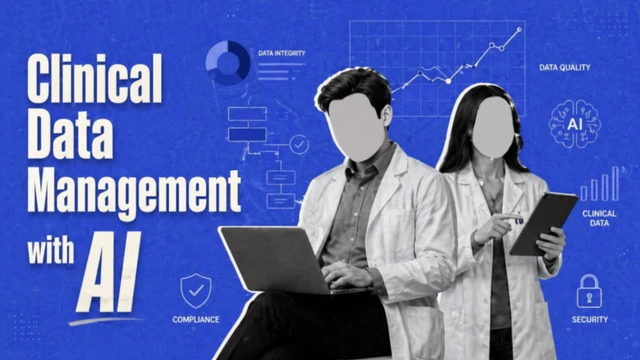
Our Clinical Data Management with EDC Certification program focuses on building a strong foundation and giving you hands-on mastery of the essential tools. For those looking to be future-ready, our advanced Clinical Data Management with AI program integrates the latest technologies that are transforming the industry.
We help you move from being just a graduate to becoming a skilled professional that companies want to hire. It's about building real industry-level skills, not just collecting another certificate.
Ready to see how your skills stack up for a career in clinical data management? The first step is to understand where you are today.
Check your job readiness and see how your skills compare to what top pharmaceutical companies are looking for. Your successful career journey starts with this one simple step.
Build These Skills Now
Programs from ZANE ProEd Academy that directly address the skill gaps discussed above.
Follow Zane ProEd on Google
Preferred SourceAdd our publication as a preferred source to get the latest clinical research guides, industry updates, and career intel directly in your Google Top Stories & AI Overviews.