Clinical Trial Coordinator Jobs for Freshers in India: A Step-by-Step Career Guide

Clinical Trial Coordinator Jobs India Freshers Clinical trial coordinator jobs in India for freshers are entry‑level roles in clinical research. You help run trials at hospitals or Contract Research Organisations (CROs). Freshers with a BSc or BPharm can start as trainees, earn ₹2.5–4 LPA, and learn on the job. Key duties include managing patient data, ensuring safety rules, and supporting investigators.
If you feel stuck with a degree but no job offer, you are not alone. Many freshers in India face the same: you are overqualified on paper but under-skilled for real work. Your BSc, BCA, or BTech degree taught you theory, not practice. That’s why even the best grades struggle to land clinical trial coordinator jobs India freshers roles. But here’s the good news: employers are actively hiring trainable candidates. You just need to show the right skills.
This guide will break down exactly what a Clinical Trial Coordinator does, what you earn, and how you can stand out — even if you are switching from IT or BPO. We will also show you a step‑by‑step path to fill your skill gaps.
Build These Skills Now
Programs from ZANE ProEd Academy that directly address the skill gaps discussed above.
What does a Clinical Trial Coordinator do?
A Clinical Trial Coordinator (CTC) works at a hospital or clinic site. You are the main organiser of a clinical trial. Your day includes:
- Screening patients to see if they fit the trial rules.
- Collecting and entering data from medical records into electronic systems.
- Handling study documents and keeping them audit‑ready.
- Scheduling visits and coordinating with doctors, labs, and sponsors.
- Ensuring safety by reporting any adverse events as per guidelines from ICH GCP.
You are the link between the research team and the real patients. This role is also called a site coordinator clinical research position because you manage everything on site.
According to the FDA, a well‑run trial depends on a skilled site team. That’s why CTCs are in high demand at hospitals and CROs across India. The clinical trial coordinator freshers career guide explains this in more detail.
What is the salary of a Clinical Trial Coordinator in India?
The clinical trial coordinator salary varies by city, company, and your skill set. Here are typical ranges for freshers:
- Fresher / Trainee: ₹2.5 – 4 Lakhs per annum (LPA)
- After 1–2 years: ₹4 – 6 LPA
- At top CROs or metros: ₹6 – 9 LPA possible with niche skills
MNCs like IQVIA, Syneos, and PPD often pay higher, but they expect stronger documentation and software skills. Many non‑healthcare switchers start at smaller CROs or hospital sites, then move up quickly once they prove their abilities.
How to become a Clinical Trial Coordinator?
The traditional path requires a clinical trial coordinator qualification like a BSc in Life Sciences, B Pharmacy, or Nursing. But today, even BTech, BCA, or graduates from IT/BPO are switching successfully. Here is what you actually need:
- Basic degree (any science, healthcare, or even a bachelor’s in any stream for some roles).
- Functional skills in clinical trial processes — which no college teaches.
- Hands‑on exposure to tools like electronic Case Report Forms (eCRF), ICH GCP guidelines, and trial management systems.
Most recruiters reject freshers because they lack these practical skills. That’s why a structured training is essential. The clinical operations career path India guide maps out the full journey.
What is the difference between CTC and CRA?
This is a common question. The CTC vs CRA career paths are often confused, but they are distinct:
- Clinical Trial Coordinator (CTC): Works at the hospital site. You manage daily trial activities, interact with patients, and handle site documents. This is an entry‑level role.
- Clinical Research Associate (CRA): Works for the sponsor or CRO. You travel to different sites to monitor them, verify data, and ensure compliance. This role requires 1–3 years of experience.
Many CTCs become CRAs after gaining experience. Starting as a CTC is the fastest way to enter the clinical research industry, even for non‑healthcare graduates. The ICH guidelines govern both roles, so understanding them is key.
What skills are needed for a clinical trial coordinator role?
Employers look for a mix of technical and soft skills. Here is the actual clinical trial coordinator job description skill list:
- GCP & Regulatory Basics: Know the rules from CDSCO and EMA.
- Data Management: Ability to use eCRF software like Medidata or Oracle Clinical.
- Documentation: Maintain Investigator Site Files, obtain informed consent.
- Patient Interaction: Comfort with screening and explaining trial details.
- Attention to Detail: One error can fail an audit.
- Communication & Coordination: Work with doctors, labs, and sponsors.
Most of these are not taught in BSc or BTech. That’s the skill gap we’ll address next.
Skill Gap: What Colleges Teach vs What Employers Expect
You probably studied microbiology, biochemistry, or coding. But a CTC job asks: “Can you complete a case report form correctly? Can you handle an adverse event?” The truth is that over 90% of freshers cannot answer these questions confidently. Recruiters often scan 1000+ applications and reject based on missing practical skills.
This is not your fault. The education system focuses on theory. The job needs execution. The missing layer is applied, scenario‑based training — exactly what we call a “bridge year” between college and career.
Step‑by‑Step Path to Get Hired as a CTC in India
Here is a 5‑step roadmap you can start today:
- Learn the Basics: Read the ICH E6(R2) GCP guidelines free online. Understand the clinical trial phases.
- Get Hands‑On Simulation: Practice with sample documents, mock eCRFs, and case studies. This builds real confidence.
- Tailor Your Resume: Highlight any data entry, coordination, or volunteer experience. Use keywords from the job description.
- Network with Industry Pros: Connect with CTCs and CRAs on LinkedIn. Ask about their daily work.
- Apply Strategically: Target CROs and hospital sites hiring trainees. Don’t wait for “fresher” tags; even assistant roles work.
Bridge the Gap with a Realistic Practice Environment
Reading theory is slow and forgettable. You need a system that mimics a real trial site — where you can make mistakes and learn without risk. That’s exactly what simulation‑based programs offer. You complete tasks like informed consent, data entry, and source document verification in a controlled setting. Then, when you walk into an interview, you can talk about the “fake trial” you ran — and that impresses recruiters.
Build These Skills Now
Programs from ZANE ProEd Academy that directly address the skill gaps discussed above.
How ZANE ProEd Fills the Exact Skill Gaps
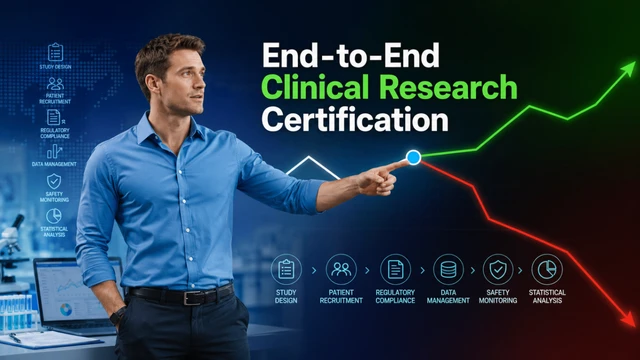
Most courses give you theory and a certificate. But ZANE ProEd’s approach is different: you practice inside a simulated clinical operations environment. The Clinical Operations Certification and the End‑to‑End Clinical Research Certification are not just video lessons. They replicate real‑world scenarios — you manage documents, resolve queries, and track milestones. This builds the execution skills that employers demand. It’s like a flight simulator for clinical research. Students from non‑healthcare backgrounds, including IT and BPO, have used this to switch careers successfully.
If you are tired of being overlooked despite your degree, it’s time to close the skill gap with a system that works.
Check your job readiness now. See how your skills compare to what top CTC roles expect — and take the first step toward a real career in clinical operations.
Build These Skills Now
Programs from ZANE ProEd Academy that directly address the skill gaps discussed above.
Follow Zane ProEd on Google
Preferred SourceAdd our publication as a preferred source to get the latest clinical research guides, industry updates, and career intel directly in your Google Top Stories & AI Overviews.