Hospital Quality Assurance Jobs India: A Fresher's Guide
QA/QC Executive (Hospital / NABH) roles involve ensuring hospitals meet quality standards like NABH. For freshers in India, these jobs require understanding quality management systems, documentation, and audits. A background in life sciences or a relevant certification is key to starting a career in this growing field.
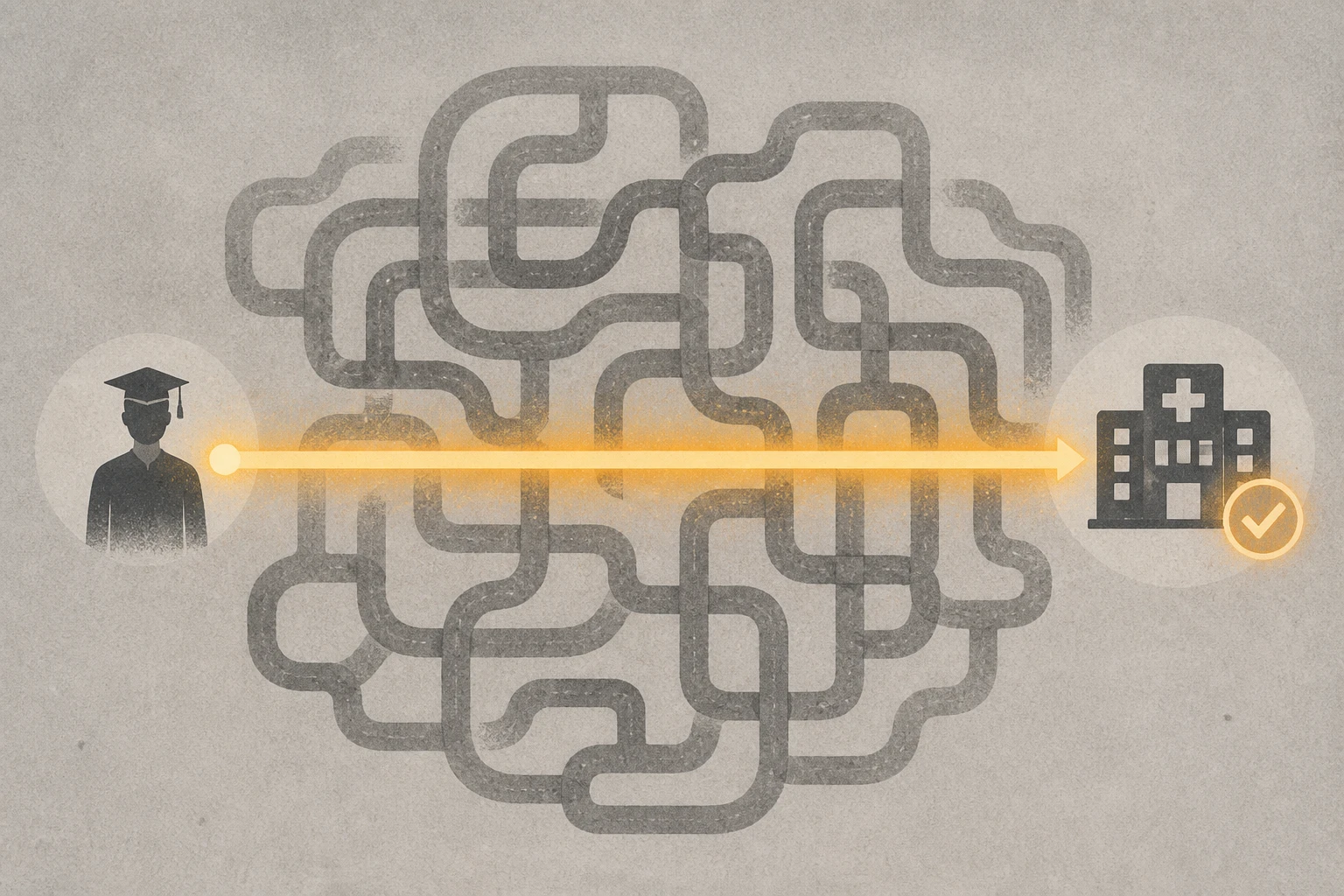
Feeling stuck after college placements? If you're a BSc, BCA, or BTech graduate who has faced rejection multiple times, you are not alone. It's tough when you feel your degree isn't opening the right doors. But there is a stable and respected field you might not have considered: finding hospital quality assurance jobs India.
Many graduates from non-healthcare backgrounds think hospital jobs are only for doctors and nurses. That's not true. Hospitals are complex organizations that need skilled managers to ensure patient safety and quality of care. This is where Quality Assurance (QA) comes in.
Build These Skills Now
Programs from ZANE ProEd Academy that directly address the skill gaps discussed above.
This guide is a simple roadmap for you. It will show you how to enter the world of healthcare quality management, even without a medical degree. Let's break down the exact steps to get you hired.
What is NABH accreditation and why does it matter for hospital quality assurance jobs India?
Think of NABH as a 'quality stamp' for hospitals in India. NABH stands for National Accreditation Board for Hospitals & Healthcare Providers. It is part of the Quality Council of India, an autonomous body set up to establish quality standards. You can learn more about international health standards from organizations like the World Health Organization (WHO).
Why is this so important for your job search? Hospitals with NABH accreditation are seen as safer and more reliable. Patients trust them more. To get and keep this 'stamp', hospitals must follow hundreds of strict rules, called standards.
This creates a huge demand for professionals who understand these rules. A strong NABH accreditation career means you are the person who helps the hospital maintain these high standards. For freshers, knowing about NABH makes your CV stand out from hundreds of others.
How to become a Quality Officer in a hospital?
Becoming a Quality Officer or QA Executive is a clear, step-by-step process. You don't need a medical background, but you do need to show you have the right skills and knowledge.
Here is a simple breakdown of the quality officer hospital job description and how to get there:
- Educational Qualification: A bachelor's degree like BSc, BTech, or even BCA is a good start. Hospitals value analytical skills, which you have gained from these degrees.
- Gain Foundational Knowledge: You must learn the basics of healthcare quality management. This includes understanding patient safety goals, quality indicators, and documentation processes.
- Get Certified in NABH Standards: This is the most critical step. A certification in Hospital Quality Management or NABH standards proves to recruiters that you are serious and have the specific knowledge they need.
- Develop Key Skills: Focus on skills like attention to detail, communication, problem-solving, and data analysis. You will be responsible for finding gaps in processes and helping fix them.
- Tailor Your CV: Instead of just listing your degree, highlight any projects, internships, or certifications related to quality management. Use keywords like 'NABH', 'Quality Assurance', 'Patient Safety', and 'Documentation'.
What is the salary of a hospital QA executive in India?
Salary is an important factor when choosing a career. The hospital QA executive salary for a fresher in India is quite competitive and offers good growth potential.
Here’s a general idea of what you can expect:
- Freshers (0-1 year experience): The starting salary typically ranges from ₹2.5 Lakhs to ₹4.5 Lakhs per year. This depends on the city and the size of the hospital.
- Executives (1-3 years experience): With some experience and a good track record, you can expect your salary to increase to ₹4.5 Lakhs to ₹7 Lakhs per year.
Metros like Mumbai, Delhi, and Bangalore usually offer higher salaries than Tier-2 cities. However, the cost of living is also higher. The key to a higher starting salary is having a professional certification that shows you have practical skills from day one.
What are the key NABH standards a fresher should know?
There are over 100 NABH standards, but you don't need to memorize all of them as a fresher. Instead, focus on understanding the main chapters. Knowing these NABH standards for freshers will impress any interviewer.
Here are five key areas to focus on:
- Access, Assessment, and Continuity of Care (AAC): This is about how patients enter the hospital, how their needs are assessed, and how their care is managed.
- Patient Rights and Education (PRE): This chapter focuses on protecting patient rights, including their privacy and getting their consent for treatment.
- Infection Control (HIC): A very important area, especially now. It covers everything from hand hygiene to preventing hospital-acquired infections.
- Continuous Quality Improvement (CQI): This is the heart of your job. It's about monitoring quality indicators, conducting audits, and always looking for ways to improve.
- Management of Medication (MOM): Ensures that medicines are stored, prescribed, and given to patients safely and correctly.
What skills are needed for hospital quality assurance?
To succeed in hospital QA, you need a mix of technical knowledge and soft skills. Recruiters look for candidates who are not just book-smart but also practical and proactive.
Technical Skills (Hard Skills)
- Documentation: Creating and managing documents like SOPs (Standard Operating Procedures), policies, and audit reports.
- Auditing: Ability to conduct internal audits to check if departments are following NABH standards.
- Root Cause Analysis (RCA): Investigating incidents (like a patient fall) to find out why it happened and how to prevent it.
- Data Analysis: Using tools like MS Excel to track quality indicators and present data to management.
Professional Skills (Soft Skills)
- Attention to Detail: You cannot miss small details that could impact patient safety.
- Communication: You need to clearly explain quality standards to doctors, nurses, and other staff.
- Problem-Solving: When an audit reveals a problem, you must help find a practical solution.
- Teamwork: You will work with every department in the hospital, so being a team player is essential.
The Gap Between Your Degree and The Job
Your BSc or BTech degree gave you a strong foundation in theory. But hospitals need practical skills. Recruiters see hundreds of CVs with the same degrees. They reject most because they lack job-specific skills.
What Your College Taught You:
- Theoretical concepts
- General problem-solving
- Basic software skills (like MS Office)
What Hospitals Actually Expect:
- Practical knowledge of NABH 5th Edition standards
- How to prepare a hospital for an NABH audit
- Skills to conduct a Root Cause Analysis (RCA) for an incident
- How to create and manage Standard Operating Procedures (SOPs)
Your Step-by-Step Pathway to a QA Job
Don't worry, you can bridge this gap. Follow this simple 5-step plan to get job-ready.
- Build Your Foundation: Stop thinking like a student. Start thinking about quality in terms of patient safety and hospital reputation. This is a mindset shift.
- Master the Core Framework: Focus on learning the NABH framework. Understand its 10 chapters and what they mean in a real hospital setting. This is different from just reading a book.
- Learn the Tools of the Trade: Gain hands-on skills in auditing, documentation, and incident investigation. These are the daily tasks of a QA executive. This is similar to the skills needed in pharma, which you can read about in our guide on QA/QC pharma jobs.
- Structure Your CV Correctly: List your new, practical skills at the top. Use keywords from the job description. Show, don't just tell. Mention specific tools and standards you know.
- Prepare for the Interview: Be ready to answer questions about specific NABH standards and how you would handle a mock quality problem.
The Fastest Way to Gain Practical Skills
Reading textbooks won't teach you how to handle a real hospital audit. You need to learn in a way that mimics the real job. This is where simulation-based learning comes in. It's like a flight simulator for a pilot—it prepares you for the real world in a safe environment.
Build These Skills Now
Programs from ZANE ProEd Academy that directly address the skill gaps discussed above.
At ZANE ProEd, we don't just sell courses; we provide a system for building a successful career. Our approach is designed to give you the exact skills recruiters are looking for. Our programs, like the Hospital Quality Management Certification, teach you the entire system of how quality is managed in a modern hospital.
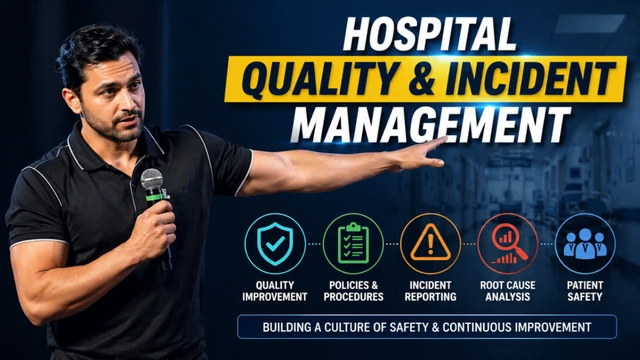
You will learn how to prepare for audits, manage incidents using our Hospital Quality Incident Management training, and create the documentation that hospitals rely on every day. We focus on the 'how' and 'why', not just the 'what'. We believe in building your skills so you can confidently walk into any hospital interview.
Are Your Skills Ready for the Market?
The competition for hospital quality assurance jobs India is high, but most applicants are not prepared. By gaining practical, job-ready skills, you can easily stand out.
Instead of hoping your resume gets noticed, take control. See how your current skills compare to what top hospitals are actually looking for. A small investment in the right skills can change your entire career path.
Build These Skills Now
Programs from ZANE ProEd Academy that directly address the skill gaps discussed above.
Follow Zane ProEd on Google
Preferred SourceAdd our publication as a preferred source to get the latest clinical research guides, industry updates, and career intel directly in your Google Top Stories & AI Overviews.