Hospital Quality Assurance Jobs India: Complete Career Guide for Freshers
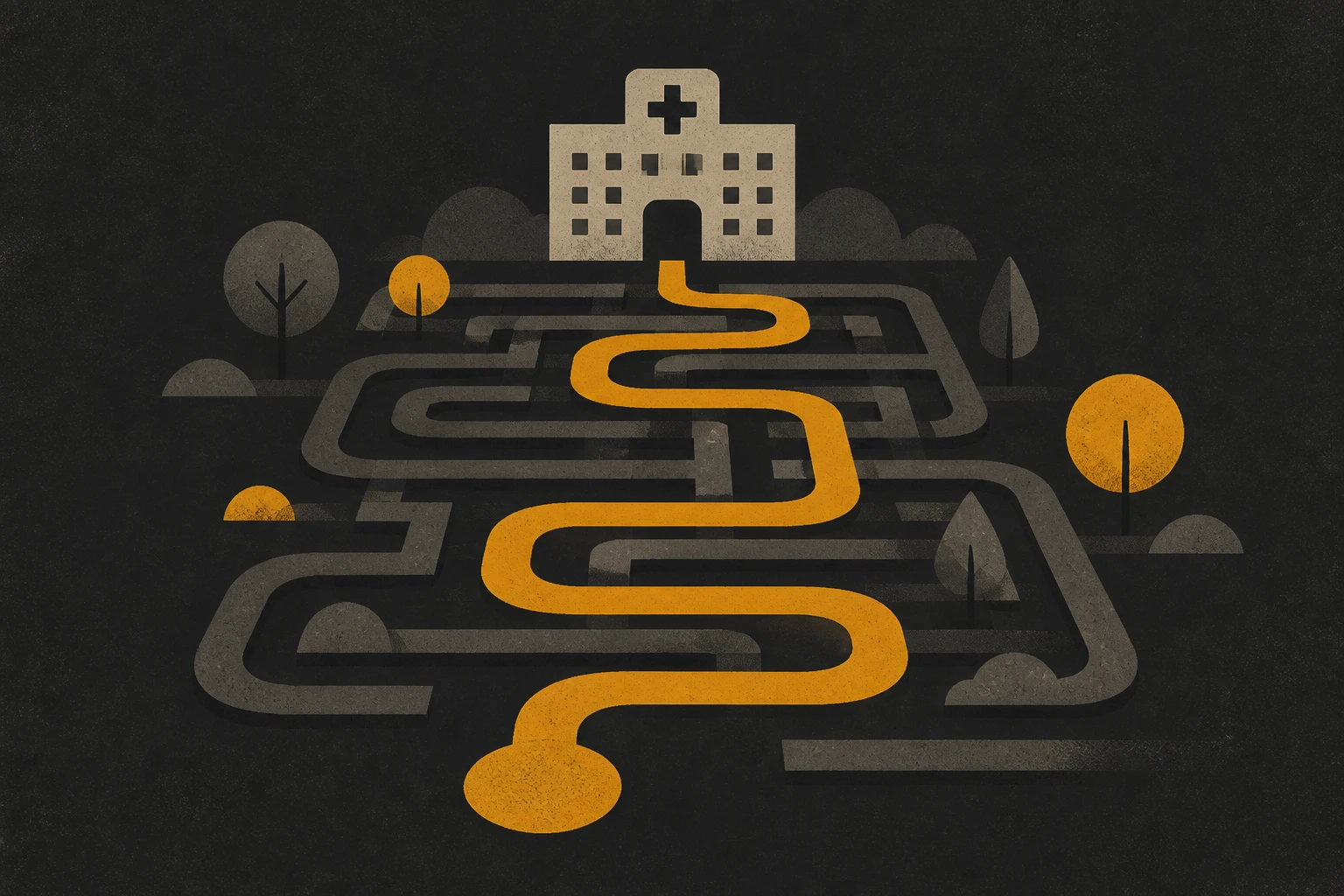
Hospital Quality Assurance Jobs India are entry-level roles focused on ensuring patient safety, compliance with NABH standards, and continuous quality improvement. Freshers can become QA executives by learning documentation, incident management, and audit processes. Salaries typically range from ₹2.5 to 5 LPA, with strong growth in healthcare quality management.
Are you a BSc, BPharm, or Life Sciences fresher? Or maybe you are switching from IT/BPO? You might think hospital jobs are only for doctors and nurses. But there is a hidden career path: hospital quality assurance jobs India. This field is growing fast. Hospitals need trained professionals to meet NABH standards and keep patients safe. You can enter this field without years of experience. This guide shows you the exact steps.
Most freshers do not know that hospitals hire QA executives. They think quality is only for manufacturing. But healthcare quality management is a real career. The demand is high. The entry barrier is lower than you think. You just need the right skills and a clear plan. Let's break it down step by step.
Build These Skills Now
Programs from ZANE ProEd Academy that directly address the skill gaps discussed above.
What is NABH accreditation and why does it matter?
NABH stands for National Accreditation Board for Hospitals & Healthcare Providers. It is a board under the Quality Council of India. NABH sets standards for hospitals to ensure patient safety and quality of care. Getting NABH accreditation is a big deal for a hospital. It shows the hospital follows best practices.
Why does it matter for your career? Because every NABH-accredited hospital needs a quality team. This team handles documentation, audits, and compliance. That is where NABH accreditation career comes in. You can be part of this team as a QA executive. Hospitals often hire freshers to help with these tasks. So learning NABH standards gives you a clear advantage.
NABH standards are based on international guidelines like those from the World Health Organization. They cover areas like patient rights, infection control, and medication safety. For a fresher, understanding these standards is the first step.
How to become a Quality Officer in a hospital?
The role of a quality officer hospital job description includes monitoring processes, preparing for audits, and training staff. As a fresher, you can start as a QA executive and grow into this role. Here is a simple roadmap:
- Get a degree in life sciences, pharmacy, or any science field.
- Learn NABH standards and documentation practices.
- Understand incident management and root cause analysis.
- Develop skills in audit preparation and data collection.
- Apply for entry-level QA roles in hospitals or healthcare organizations.
Many hospitals look for candidates who know the basics of healthcare quality management. You do not need to be an expert. You just need to show that you are trainable and understand the core concepts.
For more on QA/QC careers in pharma, check this guide: QA/QC Pharma Jobs for Freshers: Complete Roadmap. It shares similar skill paths.
What is the salary of a hospital QA executive in India?
Let's talk numbers. The hospital QA executive salary in India varies by city, hospital size, and your skills. For freshers, the starting salary is usually between ₹2.5 lakh to ₹5 lakh per year. In metro cities like Mumbai or Delhi, you might get higher. With 2-3 years of experience, salaries can rise to ₹6-8 LPA.
Here is a typical breakdown:
- Fresher (0-1 year): ₹2.5 - 3.5 LPA
- Junior QA Executive (1-3 years): ₹3.5 - 5 LPA
- Senior QA Executive (3-5 years): ₹5 - 8 LPA
- Quality Manager (5+ years): ₹8 - 15 LPA
These numbers are based on industry reports and job portals. Your salary will also depend on whether you have certifications. A NABH or healthcare quality certification can boost your starting package.
What are the key NABH standards a fresher should know?
NABH has many standards but some are more important for a fresher. These NABH standards for freshers are the building blocks of hospital quality. You should understand these areas:
- Patient Rights and Education (PRE): Hospitals must respect patient rights and provide clear information.
- Infection Control (IC): This includes hand hygiene, sterilization, and waste management.
- Medication Management (MM): How medicines are stored, prescribed, and administered safely.
- Continuous Quality Improvement (CQI): Using data to find problems and improve processes.
- Facility Management and Safety (FMS): Ensuring the hospital building and equipment are safe.
You do not need to memorize everything. But knowing these five chapters helps in interviews. Many hospitals ask basic questions about these standards. You can refer to the Central Drugs Standard Control Organization for related regulatory information.
What skills are needed for hospital quality assurance?
Beyond NABH knowledge, you need practical skills for healthcare quality management. Employers look for these skills in a fresher:
- Documentation: Writing clear reports, policies, and audit findings.
- Incident Reporting: Knowing how to log and analyze incidents like medication errors.
- Root Cause Analysis: Basic problem-solving techniques like fishbone diagrams or 5 Whys.
- Audit Support: Helping internal or external auditors by preparing documents.
- Data Management: Using Excel to track quality indicators and trends.
- Communication: Talking to doctors, nurses, and staff to explain quality processes.
Most colleges do not teach these skills. You learn them on the job or through focused training. The gap between what you know and what hospitals expect is real. But you can close that gap quickly with the right resources.
Skill Gap Exposure: College vs. Real Job
In BSc or BPharm, you study theory. You learn about drugs, biology, and maybe some industrial quality. But hospital quality is different. It is about processes, people, and compliance. Here is a simple comparison:
- College teaches: Microbiology, pharmacology, general quality concepts.
- Employers expect: NABH chapter knowledge, incident report writing, audit participation, and use of quality tools.
This gap is why many freshers struggle to get hired. You have the degree, but not the job-ready skills. The good news is that these skills are easy to learn. You just need a structured way to practice them.
Your Step-by-Step Pathway to Hospital QA Jobs
Follow this roadmap to enter hospital quality assurance jobs India as a fresher:
- Learn the Basics: Study NABH standards, especially the five key chapters. Use free resources from ICH and FDA for quality principles.
- Build Practical Skills: Practice writing incident reports and root cause analyses. Use sample templates online.
- Get Certified: Consider a short certification in healthcare quality management. This shows commitment and knowledge.
- Create a QA-focused Resume: Highlight any projects, internships, or courses related to quality, even if from college.
- Apply and Interview: Target hospitals, clinics, and healthcare consultancies. In interviews, talk about NABH standards and your hands-on practice.
This pathway works because it builds what employers want to see. You move from theory to applied knowledge.
Simulation-Based Learning: The Missing Link
Reading about NABH is not enough. Hospitals want proof that you can handle real tasks. That is where simulation-based learning helps. You work on realistic scenarios: a medication error occurs, what do you do? How do you document it? How do you prepare for a mock audit?
ZANE ProEd has built a system around this idea. You learn by doing, not just watching. This approach prepares you for day one on the job. It fixes the gap between college theory and industry expectations.
Build These Skills Now
Programs from ZANE ProEd Academy that directly address the skill gaps discussed above.
How ZANE ProEd Prepares You for Hospital QA Roles
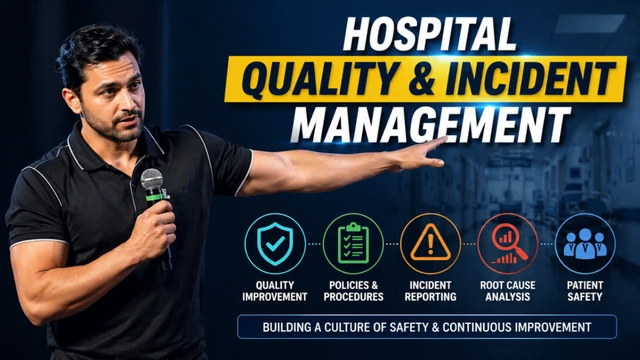
ZANE ProEd offers specific training in hospital-quality-incident-management and hospital-quality-management-certification. These are not just lectures. They are simulation-based modules. You practice real workflows used in NABH-accredited hospitals. You learn to handle incidents, write reports, and understand quality indicators.
Many freshers have used this system to land their first QA job. The training focuses on what employers actually ask in interviews. It is not about memorizing theory. It is about showing you can do the work. This is the fastest way to become job-ready.
Think about it: if you can say, "I have practiced incident management using real hospital scenarios," you are ahead of 90% of freshers. That is the edge ZANE ProEd provides.
Check Your Job Readiness for Hospital QA
Are you ready to apply for hospital quality assurance jobs India? Ask yourself these questions:
- Can you name the five key NABH chapters?
- Do you know how to write an incident report?
- Have you practiced root cause analysis on a sample case?
- Can you explain what a quality indicator is?
If you answered no to any, you have a clear starting point. Take action today. Learn the NABH basics. Practice the skills. Start applying. The healthcare quality field is waiting for trained freshers like you.
For more career guidance, visit ZANE ProEd's About page to see how we help professionals enter quality roles.
Build These Skills Now
Programs from ZANE ProEd Academy that directly address the skill gaps discussed above.
Follow Zane ProEd on Google
Preferred SourceAdd our publication as a preferred source to get the latest clinical research guides, industry updates, and career intel directly in your Google Top Stories & AI Overviews.