Medical Writing Career for Freshers in India: A Step-by-Step Guide

Medical Writer: A medical writing career for freshers in India is an excellent path for Life Science graduates. It involves researching and creating clear scientific documents like clinical trial reports, regulatory submissions, and educational materials for pharmaceutical companies, translating complex data into simple, structured content.
If you have a BSc or MSc in Biotechnology, Microbiology, or Biochemistry, you might feel like your only options are the lab or further studies. But there's a hidden career path many don't know about: the medical writing career for freshers in India. It's a field where your scientific knowledge is your biggest asset.
This is not about creative writing. It's about clarity, precision, and science. Companies need people who can understand complex clinical data and explain it simply and accurately. Your degree has prepared you with the 'what', but this guide will show you the 'how'.
Build These Skills Now
Programs from ZANE ProEd Academy that directly address the skill gaps discussed above.
For freshers with no industry experience, breaking into this field can seem tough. But with the right strategy, you can build the specific skills that companies are looking for right now in India's competitive market.
What does a medical writer do?
A medical writer acts as a bridge between scientists and the rest of the world. They take complex medical and scientific information and turn it into clear, accurate, and compliant documents. They don't perform the research, but they are experts at communicating it.
The scientific writing job description usually includes these core tasks:
- Researching: Reading scientific papers, clinical trial data, and medical reports to understand a topic fully.
- Writing: Creating various documents based on scientific data and regulatory guidelines.
- Editing: Checking documents for scientific accuracy, grammar, and clarity.
- Collaborating: Working with doctors, scientists, and regulatory experts to ensure the documents are correct.
- Managing Timelines: Ensuring all documents are completed and submitted on time.
Think of them as translators. They translate the language of the lab into the language of doctors, regulators, and sometimes even patients.
What is the salary of a medical writer in India?
The medical writer salary in India for a fresher is quite competitive. It reflects the high level of skill and attention to detail required for the job.
As a fresher (0-1 year of experience), you can expect an entry-level salary in the range of ₹3.5 Lakhs to ₹6 Lakhs per annum. This can vary based on the city (Mumbai, Bengaluru, and Hyderabad often pay more) and the type of company (large multinational corporations vs. smaller contract research organizations).
With 2-4 years of experience, your salary can quickly increase to ₹7 Lakhs - ₹12 Lakhs per annum. Senior medical writers and managers with specialized skills in areas like regulatory medical writing can earn significantly more.
How to become a medical writer without experience?
This is the most common question. Your degree is the first step, but it's not enough. To become a medical writer without prior job experience, you need to build practical skills and prove you can do the work.
Here's how to start:
- Understand the Basics: Master your knowledge of pharmacology, human anatomy, and physiology. This is your foundation.
- Learn the Guidelines: You must know about regulatory guidelines. Start by reading about Good Clinical Practice (GCP) from official sources like ICH.org and understand the role of Indian regulators like CDSCO.
- Improve Your English: Your command of the English language must be excellent. Focus on grammar, clarity, and professional tone.
- Build a Portfolio: You can't show work experience, so show your skills. Write a sample clinical study protocol or a summary of a published research paper. This portfolio is your proof of ability.
- Get Certified: A generic 'medical writing course' is not enough. A certification in a specific, high-demand document, like a medical writing course for BPharm that focuses on protocols or safety reports, makes you more valuable.
What qualifications are needed for medical writing?
While there's no single 'medical writer' degree, companies in India look for a strong scientific background. Your degree is your entry ticket to the interview.
Essential Qualifications:
- A postgraduate degree (MSc, MPharm) is often preferred, but many BPharm and BSc (Life Sciences) graduates build successful careers.
- Degrees in Pharmacy, Biotechnology, Microbiology, Biochemistry, and other life sciences are ideal.
Critical Skills Employers Look For:
- Attention to Detail: A single wrong decimal point can have huge consequences.
- Research Skills: The ability to find and understand scientific information quickly.
- Understanding of Medical Terminology: You must be fluent in the language of medicine.
- Knowledge of Regulations: Familiarity with guidelines from bodies like the European Medicines Agency (EMA) or the FDA is a major plus. For more on this, see our guide on Regulatory Affairs careers.
What types of documents does a medical writer create?
Medical writing is not just one type of writing. It's a broad field with many specializations. The documents you write depend on whether you are in regulatory writing, scientific communications, or marketing.
Here are some common examples:
- Regulatory Medical Writing: These documents are submitted to government health authorities like the CDSCO or FDA. Examples include:
- Clinical Study Protocols (the master plan for a clinical trial)
- Clinical Study Reports (CSRs - the final results of a trial)
- Investigator's Brochures (IBs)
- Patient Safety Update Reports (PSURs/DSURs) which are key in pharmacovigilance.
- Scientific Communications: These are for educating the medical community.
- Manuscripts for publication in medical journals
- Abstracts for scientific conferences
- Slide decks and presentations for medical experts
- Educational Materials:
- Content for medical websites
- Training materials for sales teams
- Information brochures for patients
The Gap Between Your Degree and Your First Job
Your BSc or MSc taught you the science, which is crucial. You learned about cell biology, biochemistry, and maybe even the basics of drug action. But university education often focuses on theory.
Employers, however, need you to perform specific tasks from day one. They expect you to know the difference between a Phase 2 and Phase 3 clinical trial protocol. They expect you to understand the structure of a PSUR as defined by global health organizations like the WHO. This is the gap that freshers struggle to cross.
A Clear 5-Step Roadmap for Freshers
Don't let the gap discourage you. Here is a clear, step-by-step path to start your medical writing career in India, even with no experience.
Step 1: Solidify Your Scientific Foundation. Revisit your college notes on pharmacology, anatomy, and physiology. This knowledge is non-negotiable.
Step 2: Learn the Industry Language. Spend time on the ICH and CDSCO websites. Understand what GCP, CSR, and PSUR mean. You don't need to be an expert, but you must know the basics.
Step 3: Develop 'Template' Thinking. Every regulatory document follows a strict template. Find these templates online (e.g., the ICH E3 for CSRs) and study their structure. This is a skill no college teaches.
Step 4: Practice Writing on a Template. Take a published study and try to write a short, simplified summary that fits into a CSR template. This builds your portfolio and your confidence.
Step 5: Gain Practical, Task-Specific Skills. This is the final and most important step. You need to prove you can create an industry-standard document. This is where theory ends and practical skill begins.
The Bridge from Theory to a Job Offer
How do you get practical skills without a job? It's a classic problem. Reading books and watching videos isn't enough. You need to simulate the real work environment. You need to perform the exact tasks a medical writer does daily.
This is where simulation-based learning changes everything. Instead of just learning *about* a clinical trial protocol, you learn how to write one, section by section, following the same processes a real company uses.
Build These Skills Now
Programs from ZANE ProEd Academy that directly address the skill gaps discussed above.
A System to Build Job-Ready Skills
At ZANE ProEd, we don't just provide courses; we provide a system that mirrors the industry's workflow. Our goal is to make you job-ready from day one. You aren't just a student; you are a professional in training.
For aspiring medical writers, this means focusing on high-value documents. Our Clinical Trial Protocol Writing with AI program trains you on creating the foundational document for any clinical study. You learn the structure, the regulatory requirements, and how to use modern tools to do it efficiently.
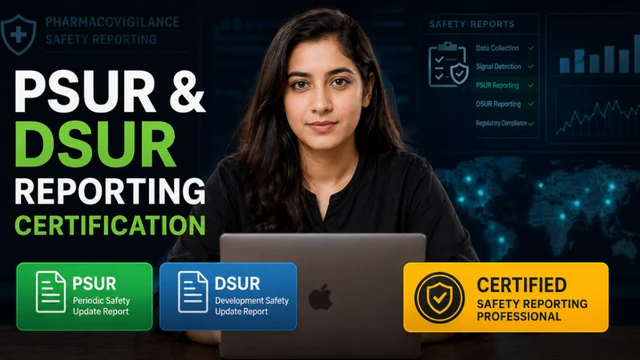
Similarly, the PSUR & DSUR Reporting Certification focuses on a critical area of drug safety. Companies are always looking for professionals who can prepare these complex safety reports. Having this specific skill makes your CV stand out immediately.
Are You Ready to Write Your Career?
A medical writing career for freshers in India is not out of reach. It requires you to move beyond your academic knowledge and build the specific, practical skills the pharmaceutical industry demands.
It's time to stop just being a graduate and start becoming a professional. The path is clear if you are willing to learn the skills that matter.
See how your current skills compare to what hiring managers are looking for. Take the first step towards a rewarding career that values your scientific mind.
Build These Skills Now
Programs from ZANE ProEd Academy that directly address the skill gaps discussed above.
Follow Zane ProEd on Google
Preferred SourceAdd our publication as a preferred source to get the latest clinical research guides, industry updates, and career intel directly in your Google Top Stories & AI Overviews.