Pharmacovigilance Jobs for Freshers in India: A BPharm Guide

Pharmacovigilance jobs for freshers in India primarily involve roles like Drug Safety Associate. Key responsibilities include Individual Case Safety Report (ICSR) processing, data entry into safety databases (e.g., Oracle Argus), and medical coding with MedDRA. Companies require practical, job-ready skills beyond standard BPharm curriculum.
If you're a BPharm or MPharm graduate feeling stuck after failing multiple campus placements, this guide is for you. You've sent countless applications for pharmacovigilance jobs for freshers in India but keep hearing 'no'. It's frustrating when you know you have the degree, but recruiters say you lack the specific skills.
The problem isn't your education; it's the gap between theory and practical application. The pharmaceutical industry moves fast, and companies need freshers who can contribute from day one. This isn't just another job; it's a stable, global career path that relies on precision and expertise.
Build These Skills Now
Programs from ZANE ProEd Academy that directly address the skill gaps discussed above.
This step-by-step guide will show you exactly how to bridge that gap. We will break down what recruiters are really looking for and how you can build the skills to confidently crack your next pharmacovigilance interview.
What is pharmacovigilance and why is it important?
Pharmacovigilance (PV) is the science and activities related to the detection, assessment, understanding, and prevention of adverse effects or any other drug-related problem. In simple terms, it's about monitoring the safety of medicines once they are released to the public.
Think of it as a safety net for patients. Before a drug is approved, it's tested on a few thousand people in clinical trials. But once it's on the market, millions of people with different health conditions will use it. PV helps to identify rare side effects that were not seen during trials.
Its importance cannot be overstated. Effective pharmacovigilance protects public health by ensuring that the benefits of a medicine outweigh its risks. Global health bodies like the World Health Organization (WHO) and regulatory agencies like the FDA and EMA depend on this data to make critical decisions about drug safety.
What is the salary of a Drug Safety Associate in India?
The pharmacovigilance salary in India for a fresher, typically starting as a Drug Safety Associate or PV Associate, is quite competitive. For a recent BPharm or MPharm graduate, the starting salary usually ranges from ₹2.5 Lakhs to ₹4.5 Lakhs per annum.
Several factors can influence this starting figure:
- Company Type: Large multinational corporations (MNCs) and top Contract Research Organizations (CROs) generally offer higher salaries than smaller companies.
- Location: Major pharmaceutical hubs like Mumbai, Bangalore, Hyderabad, and Pune may offer better pay to account for a higher cost of living.
- Skills: This is the most critical factor. A fresher with certified, practical skills in areas like ICSR case processing, MedDRA coding, and experience with safety databases can command a higher salary.
The PV career path offers significant growth. With 3-5 years of experience, you can move into senior roles, and your salary can increase substantially, often reaching ₹8-12 Lakhs per annum or more.
How to start a career in pharmacovigilance?
Starting a career in PV requires a strategic approach. Your pharmacy degree is the foundation, but you need to build on it with specific, in-demand skills. Here’s how to begin:
- Strengthen Your Fundamentals: Go beyond your college textbooks. Understand the core principles of pharmacovigilance, including key regulations and guidelines from bodies like the ICH (International Council for Harmonisation).
- Gain Practical Skills: This is the most important step. You must learn the 'how-to' of PV. This includes understanding the entire lifecycle of an adverse event case, known as ICSR processing.
- Learn Industry Tools: Familiarize yourself with medical dictionaries like MedDRA and WHODrug. Get hands-on experience or training with a safety database like Oracle Argus, which is the industry standard.
- Take a Specialized Course: A good pharmacovigilance course for BPharm graduates will focus on these practical skills. Look for programs that offer simulation-based training, not just theoretical lectures.
- Build a Skill-Focused Resume: Instead of just listing your degree, your resume should highlight your practical PV skills. Mention MedDRA coding, narrative writing, and any safety database knowledge you have.
What are the job responsibilities of a PV Associate?
The drug safety associate job description for a fresher revolves around processing individual safety cases. This is the core function of an entry-level PV professional. Your daily tasks, or drug safety associate roles and responsibilities, will likely include:
- Case Triage: Receiving and prioritizing incoming adverse event reports from sources like patients, doctors, and literature.
- Data Entry: Accurately entering all relevant information from the source document into the company's safety database.
- Medical Coding: Using MedDRA (Medical Dictionary for Regulatory Activities) to code patient medical history, adverse events, and lab tests.
- Writing Case Narratives: Creating a clear, concise, and medically accurate summary of the adverse event case. This is a critical skill. Learn more about how to master case processing.
- Quality Check: Reviewing cases for accuracy and completeness before they are submitted to regulatory authorities.
- Follow-up: Requesting missing information from the person who reported the event to ensure the case is complete.
Is pharmacovigilance a good career for BPharm freshers?
Yes, absolutely. Pharmacovigilance is an excellent career choice for BPharm and MPharm freshers in India for several reasons:
- High Demand: As more drugs enter the market, the need for safety monitoring grows. PV is a legally required function for all pharma companies, ensuring a constant demand for skilled professionals.
- Global Career: PV skills are transferable across the globe. The guidelines and processes are largely standardized, opening up international job opportunities.
- Stable and Non-Sales Role: Unlike many pharma jobs, PV is not a sales-based role. It is a scientific, process-driven career focused on patient safety, offering great job security.
- Excellent Growth Path: The PV career path is well-defined. You can start as an associate and grow into roles like Senior PV Associate, Team Lead, Manager, or specialize in areas like signal detection or aggregate reporting.
The Real Reason Recruiters Reject Freshers: The Skill Gap
Let's be direct. Your BPharm degree taught you the 'what' and 'why' of pharmacovigilance. You know the definitions and the history. But companies hire you to 'do' the job from day one.
What your college taught you:
- The definition of an Adverse Drug Reaction (ADR).
- The history of pharmacovigilance regulations.
- Basic pharmacology and human anatomy.
What employers actually expect you to do:
- Process a complex ICSR case in a safety database like Oracle Argus.
- Accurately code an adverse event using the latest version of MedDRA.
- Write a medically coherent and compliant case narrative.
- Understand the difference between seriousness criteria (e.g., hospitalization vs. life-threatening).
This gap between academic knowledge and practical job skills is why so many freshers face rejection. Recruiters need to see that you can perform the job, not just define it.
Your Step-by-Step Roadmap to a PV Career
Feeling overwhelmed? Don't be. Here is a clear, actionable path to bridge that gap and land your first PV job.
Step 1: Master the Core Concepts. Solidify your understanding of Good Pharmacovigilance Practices (GVP) and key regulatory timelines. This is your foundation.
Step 2: Learn End-to-End ICSR Case Processing. This is the single most important skill for a fresher. Understand every step, from case intake and triage to data entry, coding, narrative writing, and submission.
Step 3: Get Hands-On with Industry Tools. You must be familiar with MedDRA. Practical exposure to a safety database environment is a huge advantage that makes your profile stand out.
Step 4: Build a Project Portfolio. Work on sample cases. Practice writing different types of narratives. Document your work to showcase your skills to recruiters during an interview.
Step 5: Create a Skill-First Resume. Redesign your CV to lead with your practical PV skills. Use keywords from job descriptions like 'ICSR Processing', 'MedDRA Coding', and 'Case Narrative Writing'.
The Bridge from Theory to Practice: Simulation
How do you get hands-on experience without having a job? The answer is simulation. The best training programs don't just give you lectures; they put you in a simulated work environment where you can practice processing real-world cases using the same tools as the professionals.
This method builds muscle memory and confidence. When a recruiter asks you about your experience, you can talk about the types of cases you've processed and the challenges you've solved, not just what you've read in a book.
Build These Skills Now
Programs from ZANE ProEd Academy that directly address the skill gaps discussed above.
How ZANE ProEd Builds Your Job-Ready System
At ZANE ProEd, we don't just sell courses; we build your career system. Our training is designed to directly address the skill gap that holds BPharm freshers back.
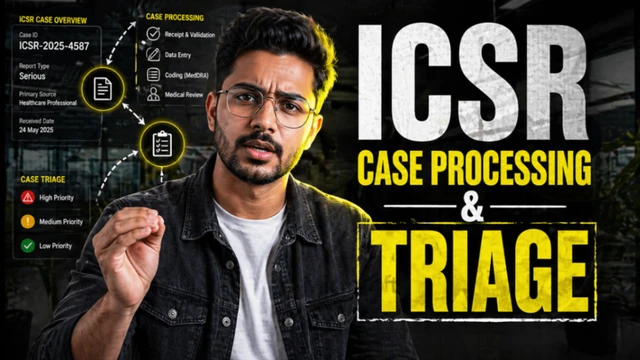
Our ICSR Case Processing & Triage program gives you the deep, practical skills needed for day-to-day tasks. For a complete career foundation, the End-to-End Pharmacovigilance Certification program covers the entire PV lifecycle, turning you into a candidate that recruiters notice.
We achieve this through a system of simulated workflows, real-world case studies, and mentorship from industry experts. You don't just learn about pharmacovigilance; you learn how to be a Drug Safety Associate.
Are You Ready for a Real PV Interview?
Stop sending resumes that get ignored. It's time to build the skills that command attention. By focusing on the practical abilities that companies are desperate for, you can turn rejection into offers.
Check how your current skills compare to what top pharma companies are looking for. Your path to a successful career in pharmacovigilance starts not with another application, but with building the right skills.
Build These Skills Now
Programs from ZANE ProEd Academy that directly address the skill gaps discussed above.
Follow Zane ProEd on Google
Preferred SourceAdd our publication as a preferred source to get the latest clinical research guides, industry updates, and career intel directly in your Google Top Stories & AI Overviews.