Medical Writing Career for Freshers India: Skill Breakdown and Job Guide

Medical Writer A medical writing career for freshers in India is possible by building skills in creating scientific documents like clinical study reports, regulatory submissions, and patient information. Entry-level roles pay ₹3-6 LPA, and demand is growing in pharma, biotech, and CROs.
You have a BSc, BCA, or BTech degree. Maybe you're stuck in an IT support or BPO job. You heard about a medical writing career for freshers India and it sounds like the perfect escape—stable, well-paying, and growing. But here is the shock: 90% of freshers fail to get hired. Not because they lack degrees. Because they lack real skills. You are overqualified on paper but under-skilled for the job.
This blog breaks down the exact skills you need, the salary you can expect, and a clear step-by-step pathway to break in—even if you come from a non-medical background. Let's turn your degree into a career that actually uses it.
Build These Skills Now
Programs from ZANE ProEd Academy that directly address the skill gaps discussed above.
What does a medical writer do?
A medical writer creates clear, accurate documents that communicate scientific data. You turn complex clinical research into reports, summaries, and regulatory files. Think of it as being the bridge between scientists and the public. Your daily tasks include:
- Writing clinical study reports for new drugs and devices.
- Preparing regulatory medical writing submissions for agencies like FDA or CDSCO.
- Creating patient information leaflets and consent forms.
- Reviewing and editing scientific manuscripts for journals.
- Collaborating with doctors, statisticians, and regulatory teams.
This is the core scientific writing job description. You don't need to be a doctor, but you must understand scientific language and follow strict guidelines. Many freshers start in pharmacovigilance narrative writing or clinical trial protocol writing, two fast-growing entry points.
What is the salary of a medical writer in India?
Let's talk numbers. The medical writer salary in India varies by experience and company type. Here is a realistic breakdown for freshers and early-career writers in 2025:
- Fresher (0-1 year): ₹3,00,000 to ₹6,00,000 per annum
- 1-3 years: ₹6,00,000 to ₹10,00,000 per annum
- Senior/Lead (5+ years): ₹12,00,000 to ₹18,00,000+ per annum
CROs (Contract Research Organizations) and MNC pharma companies typically pay more. A medical writer at IQVIA or Parexel can start at ₹5 LPA or higher. Even small Indian pharma firms offer ₹3.5-4 LPA to fresh graduates. The key is having practical experience in writing real documents, not just theoretical knowledge.
How to become a medical writer without experience?
This is the biggest hurdle. Employers want experience, but how do you get it if no one hires you? The answer: build a portfolio before you apply. Here is exactly how to become a medical writer in 2025, even with zero experience:
- Pick a niche: Focus on regulatory medical writing, publications, or pharmacovigilance narratives. Each needs different skills.
- Learn the guidelines: Study ICH GCP, WHO standards, and local regulations from CDSCO. These are non-negotiable.
- Take a simulation-based course: Look for programs that let you write real documents using AI tools and get feedback from industry experts. Theory alone won't cut it.
- Create sample documents: Write a mock clinical study report, a patient narrative, or a protocol synopsis. Use publicly available trial data as reference.
- Apply for internships: Many CROs offer paid internships. Even a 3-month stint can turn into a full-time job.
- Network on LinkedIn: Follow medical writing groups, comment on posts, and connect with hiring managers.
Remember, medical writing is a skill-based job. If you can show a portfolio, your degree matters less. Our internal guide on pharmacovigilance case processing jobs explains how similar entry-level roles value hands-on practice.
What qualifications are needed for medical writing?
You don't need an MBBS or PhD. Here is what most companies actually look for:
- Educational background: BSc, BPharm, BTech Biotech, BCA, or even BCom (if you have writing skills). A life science degree helps, but it's not mandatory.
- Language skills: Flawless English grammar, clarity, and an ability to simplify complex topics. Recruiters test your writing sample before anything else.
- Technical knowledge: Understanding of clinical trials, phases I-IV, and basic statistics. If you lack this, a targeted medical writing course for BPharm or similar can fill the gap.
- Software proficiency: MS Word (advanced formatting), reference managers (EndNote, Zotero), and now AI writing assistants are becoming essential.
For a non-medical background, the most important step is to learn the basics of drug development. Read free resources from EMA and watch YouTube videos on clinical research. Then practice writing—every day.
What types of documents does a medical writer create?
Medical writing is vast. Here are the main document categories you'll work on, based on the industry:
1. Regulatory Documents
- Clinical Study Reports (CSRs): Full narratives of trial results.
- Investigator Brochures: Summaries for doctors conducting trials.
- Common Technical Documents (CTD): Modules for drug approval.
- Protocols and Amendments: Blueprints for clinical research.
2. Safety and Pharmacovigilance Writing
- Periodic Safety Update Reports (PSURs): Ongoing drug safety assessments.
- Adverse Event Narratives: Detailed accounts of side effects in patients.
3. Medical Communications
- Manuscripts and Abstracts: For journals like The Lancet or NEJM.
- Slide Decks and Posters: For medical conferences.
- Patient Education: Leaflets, websites, and videos.
As a fresher, you'll likely start with pharmacovigilance narratives or protocol writing. These are high-volume, structured documents that let you learn the ropes fast. Check our blog on regulatory affairs career path to see how writing overlaps with other departments.
The Skill Gap Exposure
Let's be honest. Your BSc or BTech curriculum taught you theory, not how to write a regulatory document. Colleges rarely cover:
- ICH E3 Structure and Content of Clinical Study Reports
- How to use MedDRA or WHO Drug Dictionaries for coding
- Redaction and blinding rules for submissions
- Using AI tools to draft and edit protocols
Employers expect you to hit the ground running. That's why most freshers fail. You need to bridge this gap yourself.
A Structured Pathway to Your First Medical Writing Job
- Assess your starting point: Identify if you lean towards scientific rigour (regulatory) or creative communication (med comms).
- Complete a hands-on skill program: Choose a course that simulates real-world projects, like writing a full clinical protocol using AI.
- Build a portfolio of 2-3 sample documents: Include a patient narrative, a protocol synopsis, and a plain language summary.
- Optimize your LinkedIn and resume: Use keywords from scientific writing job description ads.
- Apply strategically: Target CROs, pharma companies, and niche agencies. Use job portals but also email hiring managers directly.
- Prepare for the writing test: Almost every interview includes a timed writing exercise. Practice under pressure.
System Bridge: From Student to Industry-Ready Professional
The missing link isn't more theory—it's a system that puts you in real-world scenarios. At ZANE ProEd, we built simulation-based programs where you write actual regulatory documents using AI-driven workflows. You work on a live project, get feedback from industry mentors, and come out with a verified portfolio. It's not training; it's a career launchpad.
Build These Skills Now
Programs from ZANE ProEd Academy that directly address the skill gaps discussed above.
Academy Integration
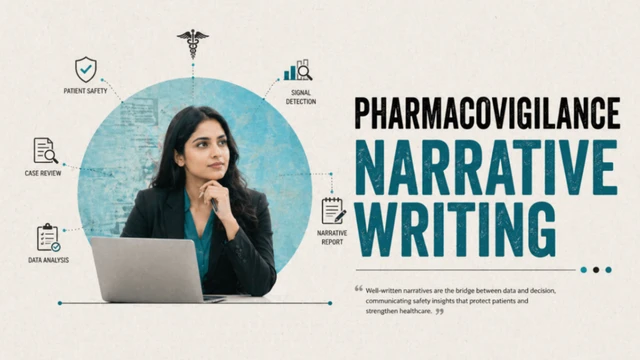
Two areas where demand is skyrocketing are clinical trial protocol writing and pharmacovigilance narrative writing. Courses like Clinical Trial Protocol Writing with AI teach you to draft a full protocol using AI tools, meeting ICH guidelines. Pharmacovigilance Narrative Writing focuses on creating clear, compliant safety stories from raw data. These aren't just lectures; they are immersive skill-builders that mirror daily tasks in a CRO. By completing them, you don't just learn—you produce evidence that you can do the job.
Your Next Step
Don't wait until the competition gets even tougher. Check your job readiness by testing yourself: can you write a 200-word adverse event narrative right now? Can you list the sections of a clinical study report? If the answer is no, it's time to bridge the gap. See how your skills compare to what employers actually need—and start building the career you thought your degree would give you.
Build These Skills Now
Programs from ZANE ProEd Academy that directly address the skill gaps discussed above.
Follow Zane ProEd on Google
Preferred SourceAdd our publication as a preferred source to get the latest clinical research guides, industry updates, and career intel directly in your Google Top Stories & AI Overviews.