Pharmacovigilance Jobs for Freshers in India: Complete Step-by-Step Roadmap
Pharmacovigilance / Drug Safety Associate Pharmacovigilance jobs for freshers in India are entry-level roles in drug safety monitoring. They involve collecting, assessing, and reporting adverse drug reactions. Freshers with BPharm, BSc, or life science degrees can earn ₹3.5–6 LPA, especially in Hyderabad, Bangalore, and Pune.
If you are a BSc, BCA, BTech, or non-healthcare professional looking to switch into the pharma industry, pharmacovigilance jobs for freshers in India might be your fastest entry point. The demand for Drug Safety Associates is rising as global pharmacovigilance outsourcing grows. You do not need a medical degree to start—only the right skills and a clear roadmap.
Many freshers feel stuck because employers ask for experience they do not have. But here is the reality: companies are desperate for candidates who understand pharmacovigilance workflows, not just theory. This guide breaks down everything you need to know to break in, even from a non-healthcare background.
Build These Skills Now
Programs from ZANE ProEd Academy that directly address the skill gaps discussed above.

What is pharmacovigilance and why is it important?
Pharmacovigilance (PV) is the science of detecting, assessing, understanding, and preventing adverse effects of medicines. It ensures patient safety after drugs enter the market. In India, the Central Drugs Standard Control Organization (CDSCO) regulates PV activities, while global standards come from the World Health Organization (WHO) and International Council for Harmonisation (ICH).
Without PV, dangerous side effects could go unnoticed. The 2012 recall of a popular painkiller due to heart risks shows why continuous safety monitoring matters. For freshers, this field offers stable, high-growth careers because every pharma company and CRO must maintain a PV system.
If you are exploring pharmacovigilance jobs for freshers in India, you are entering a sector that is both mission-critical and recession-resistant.
What is the salary of a Drug Safety Associate in India?
The pharmacovigilance salary in India for freshers typically ranges from ₹3.5 LPA to ₹5.5 LPA in major hubs like Hyderabad, Bangalore, Pune, and Mumbai. With 1–2 years of experience or specialized certifications, you can command ₹6–8.5 LPA.
Here is a breakdown by city for entry-level Drug Safety Associates:
- Hyderabad: ₹3.5–5.5 LPA
- Bangalore: ₹3.8–6 LPA
- Pune: ₹3.5–5.5 LPA
- Mumbai: ₹3.5–5 LPA
Salaries grow quickly when you master ICSR case processing, MedDRA coding, and global regulatory guidelines. Many professionals double their salary within 3 years by moving to senior PV roles or specialized areas like signal detection.
How to start a career in pharmacovigilance?
Starting a PV career path requires a mix of domain knowledge and practical skills. Here is a high-level roadmap:
- Build a foundation: Learn ICH-GCP, GVP modules, and Indian regulations.
- Enroll in a structured course: A pharmacovigilance course for BPharm or life science graduates bridges the gap between college theory and industry needs. Check out this free pharmacovigilance course with certificate for career switchers.
- Gain hands-on practice: Work on simulated ICSR cases, triage, and narrative writing using tools like Argus and ArisG.
- Build a portfolio: Document your case processing work as proof of competence.
- Apply strategically: Target CROs and pharma companies in Indian hubs. Tailor your resume to highlight PV-specific skills.
Even non-healthcare graduates can succeed—what matters is demonstrable ability, not just your degree.
What are the job responsibilities of a PV Associate?
The drug safety associate job description revolves around managing adverse event reports. Here are the core drug safety associate roles and responsibilities:
- Case intake and triage: Receive initial safety information from healthcare professionals, patients, or literature.
- Data entry: Enter case details into safety databases (Argus, ArisG, Veeva Vault).
- MedDRA coding: Code adverse events and medical history using the Medical Dictionary for Regulatory Activities.
- Narrative writing: Draft concise clinical summaries of each case.
- Quality checks: Ensure data accuracy and compliance with ICH-GCP and company SOPs.
- Expedited reporting: Submit serious adverse events to regulators within strict timelines.
This role demands attention to detail, strong written English, and familiarity with pharmacovigilance databases. Employers rarely teach these from scratch, which is why practical training is crucial.
Is pharmacovigilance a good career for BPharm freshers?
Yes, pharmacovigilance is an excellent career for BPharm freshers and even for BSc, BCA, or BTech graduates. Here is why:
- High demand: India is a global hub for PV outsourcing, with thousands of openings each year.
- Growth potential: You can move into safety operations, aggregate reporting, or signal detection within 3–5 years.
- Global exposure: Work with international teams and comply with US FDA, EMA, and CDSCO regulations.
- Salary growth: Starting salaries are competitive, and specialized skills command premium pay.
However, the competition is intense. To stand out, you need more than a degree—you need proof that you can handle real PV workflows from day one.
The Skill Gap: What College Taught You vs. What Employers Expect
Traditional BPharm and BSc programs focus on pharmacology and drug chemistry, but they rarely cover the operational realities of drug safety. Here is a comparison for non-healthcare switchers:
| What Your Degree Covers | What Employers Actually Need |
|---|---|
| Drug mechanisms and side effects | ICSR case processing and triage |
| Basic pharmacology | MedDRA coding and narrative writing |
| Some clinical trial theory | Safety database navigation (Argus, ArisG) |
| Regulatory guidelines overview | Hands-on compliance with ICH-GCP and GVP |
This gap is why many freshers get rejected despite good grades. Employers do not want to spend months training you on tools; they expect you to hit the ground running.
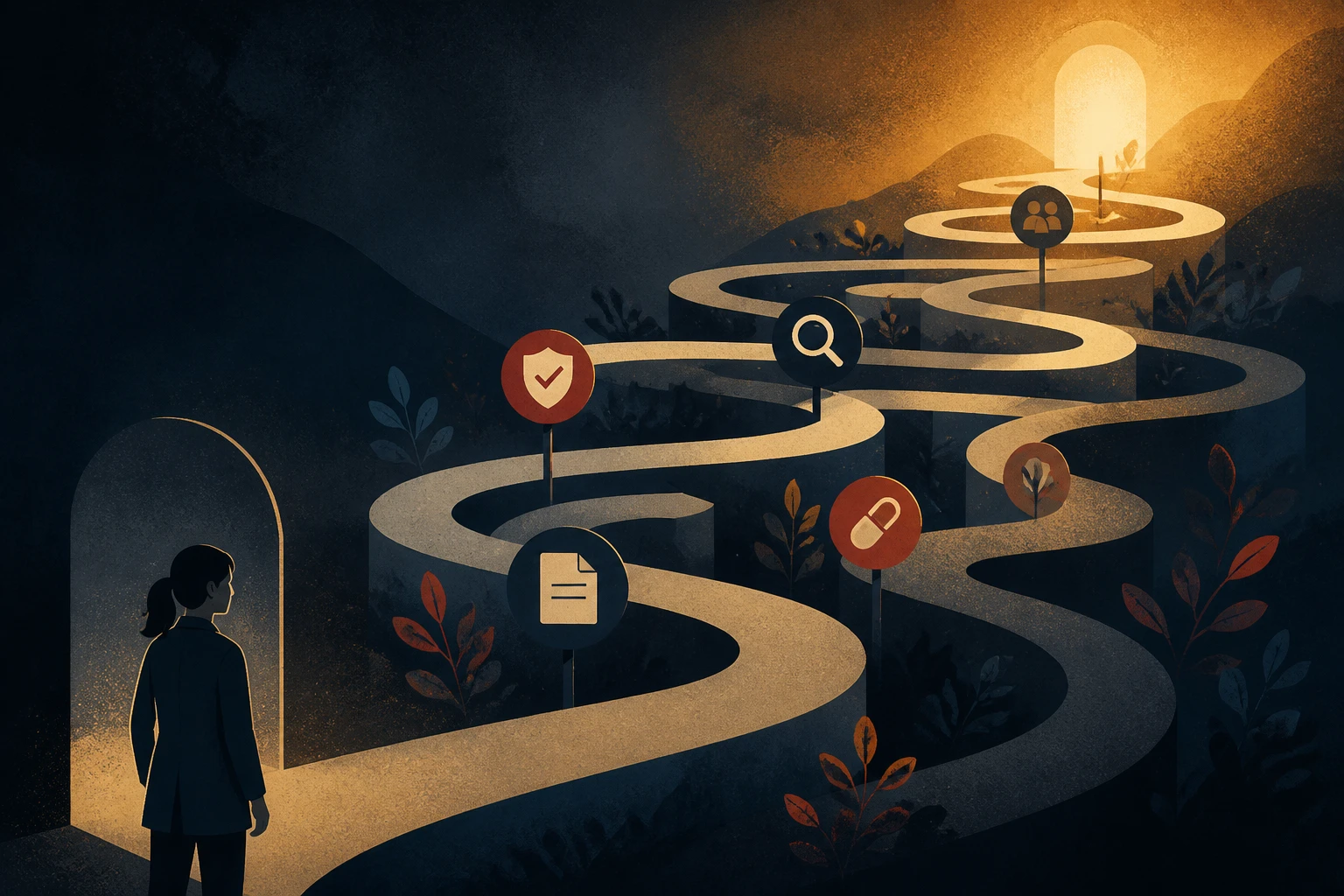
A Step-by-Step Roadmap to Land Pharmacovigilance Jobs for Freshers in India
Follow this proven path to break into the PV industry, even if you come from a non-healthcare background.
- Master PV fundamentals (2–3 weeks): Study ICH-GCP, GVP modules, and Indian pharmacovigilance guidelines. Use free resources from WHO and CDSCO.
- Enroll in a specialized PV course (4–6 weeks): A structured program like this free certification will teach you the exact workflows used in industry.
- Learn ICSR case processing and triage (4 weeks): Practice end-to-end case handling: intake, triage, data entry, coding, narrative writing, and quality review. ZANE ProEd offers a dedicated simulation for this.
- Build a verifiable portfolio (ongoing): Complete simulated cases and document your work. Show recruiters you can process ICSRs accurately and meet timelines.
- Apply to Indian pharma hubs (2–4 weeks): Target openings in Hyderabad, Bangalore, Pune, and Mumbai. Customize your resume with PV keywords and link to your portfolio.
For a deeper dive into advanced PV roles, read our guide on signal detection pharmacovigilance for chemistry graduates.
Bridge the Gap with Simulation-Based Learning
Reading textbooks will not make you job-ready. The PV industry runs on specific software and workflows that you must practice hands-on. Simulation-based training replicates real-world case processing, giving you the confidence to perform from day one.
At ZANE ProEd, our training is built on industry-grade simulations that mirror actual pharmacovigilance databases. You will process mock ICSRs, code with MedDRA, and write narratives under realistic timelines. This creates a verifiable portfolio that proves your competence to employers.
Build These Skills Now
Programs from ZANE ProEd Academy that directly address the skill gaps discussed above.
How ZANE ProEd Prepares You for Real PV Workflows
ZANE ProEd is not a generic video course platform. We focus on two critical programs for freshers:
- Industry Essentials of Pharmacovigilance: Covers global regulations, GVP, and safety reporting standards. You learn the why behind every process.
- ICSR Case Processing & Triage: A hands-on simulation where you process adverse event cases exactly as you would in a CRO. You will master triage, data entry, MedDRA coding, and narrative writing.
Both programs emphasize ICH-GCP international compliance and prepare you for regulatory audits. You will graduate with a portfolio that demonstrates audit-ready skills, not just theoretical knowledge. Learn more about our approach at ZANE ProEd.
Ready to start? Audit your industry readiness by taking our free PV fundamentals assessment. Or explore our simulation workflows to see how real cases are processed. The demand for pharmacovigilance professionals is booming—do not let a lack of experience hold you back.
Build These Skills Now
Programs from ZANE ProEd Academy that directly address the skill gaps discussed above.
Follow Zane ProEd on Google
Preferred SourceAdd our publication as a preferred source to get the latest clinical research guides, industry updates, and career intel directly in your Google Top Stories & AI Overviews.