Pharmacovigilance Jobs for Freshers in India: Complete Career Guide

Pharmacovigilance Jobs for Freshers in India are entry-level drug safety roles where you collect, process, and report adverse drug reactions. BPharm, BSc, and MSc Chemistry graduates can start as Drug Safety Associates (DSA) with the right certification, earning ₹2.5–4 LPA.
If you have a BSc or MSc in Chemistry and a career gap, you might feel stuck. But pharmacovigilance jobs for freshers in India are a real option. You do not need a pharmacy degree to enter drug safety. Your chemistry background gives you a strong foundation.
Many chemistry graduates think PV is only for pharmacists. That is a myth. Employers today care more about your practical skills in case processing and medical coding than your degree title. This guide breaks down the truth about PV careers, salaries, and the exact steps to break in.
Build These Skills Now
Programs from ZANE ProEd Academy that directly address the skill gaps discussed above.
Stop doubting your degree. Start building the skills that pharma companies actually pay for.
What is pharmacovigilance and why is it important?
Pharmacovigilance (PV) is the science of detecting, assessing, and preventing side effects of medicines. It ensures that drugs on the market are safe for patients. Without PV, harmful reactions could go unnoticed.
The World Health Organization and the International Council for Harmonisation set global PV standards. In India, the Central Drugs Standard Control Organisation enforces these rules.
Why PV matters:
- Protects patient safety
- Required by regulators like CDSCO and FDA
- Generates data for better drug labels
- Prevents costly market withdrawals
What is the salary of a Drug Safety Associate in India?
The pharmacovigilance salary in India varies by experience, location, and company type. For freshers, a Drug Safety Associate (DSA) earns between ₹2.5–4 lakh per annum. With 1–3 years of experience, the salary jumps to ₹4–6 LPA. Senior DSAs and team leads can earn ₹6–10 LPA. Managers and above often cross ₹12–20 LPA.
- Fresher DSA: ₹2.5–4 LPA
- 1–3 years: ₹4–6 LPA
- Senior DSA / Team Lead: ₹6–10 LPA
- Manager and above: ₹12–20 LPA
Metro cities like Hyderabad, Bengaluru, and Mumbai pay higher salaries. Having a recognized certification and hands-on simulation experience also increases your starting offer.
How to start a career in pharmacovigilance?
You can enter PV even with a BSc/MSc Chemistry degree. Follow these steps:
- Check your eligibility: BPharm, PharmD, BSc/MSc Life Sciences, Chemistry, and Nursing graduates are all eligible.
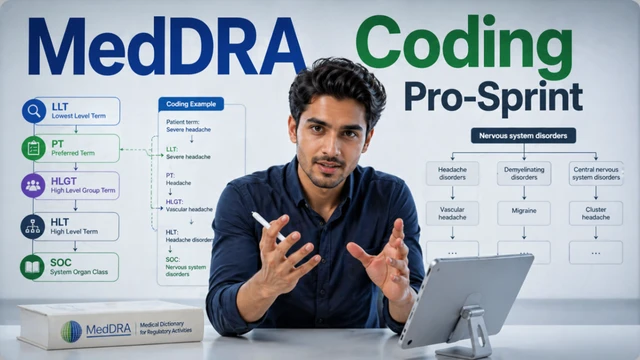
- Learn PV fundamentals: Study ICH guidelines, MedDRA coding, and case processing workflows.
- Get hands-on training: Enroll in a simulation-based pharmacovigilance course for BPharm or science graduates. This builds real skills, not just theory.
- Build a project portfolio: Practice on real-world ICSR cases to show employers you can do the job.
- Apply for fresher roles: Look for Drug Safety Associate, PV Trainee, or Pharmacovigilance Associate positions.
Read our detailed guide on pharmacovigilance case processing jobs for freshers.
What are the job responsibilities of a PV Associate?
A drug safety associate job description includes many core tasks. Here are the main drug safety associate roles and responsibilities:
- Receive and triage adverse event reports from patients, doctors, and clinical trials.
- Enter case data into safety databases like Oracle Argus or ArisG.
- Perform MedDRA coding for medical terms and drug names.
- Write clear case narratives summarizing the event.
- Conduct follow-up queries for missing or unclear information.
- Perform quality checks to ensure data accuracy and compliance.
- Escalate serious cases to senior PV scientists or physicians.
You will spend most of your day on a computer, working with data and following strict timelines. Attention to detail is critical.
Is pharmacovigilance a good career for BPharm freshers?
Yes, PV is an excellent career for BPharm freshers and for chemistry graduates too. India is a global hub for pharmacovigilance outsourcing. The demand for trained DSAs is high and growing.
- High demand across CROs, pharma companies, and IT firms.
- Stable desk job with regular hours and low physical stress.
- Clear PV career path: DSA → Senior DSA → PV Scientist → Team Lead → Manager.
- Good salary growth and opportunities to move into specialized areas like signal detection.
If you are from BSc/MSc Chemistry, your analytical skills are highly valued. Employers do not reject you for your degree. They reject you for lacking hands-on skills. Learn about advanced signal detection roles in our signal detection career guide.
What skills do employers expect that college never taught you?
There is a big gap between what chemistry colleges teach and what PV employers expect. This gap is why many freshers struggle to get hired.
College teaches:
- Organic and inorganic chemistry
- Lab experiments and research theory
- Academic report writing
Employers expect:
- Knowledge of ICH E2B guidelines
- MedDRA medical coding
- Hands-on experience with safety databases (Argus, ArisG)
- Ability to write clear case narratives
- Understanding of regulatory timelines and compliance
- Strong communication and attention to detail
You cannot learn these skills from a textbook. You need simulated practice.
What is the step-by-step path to enter pharmacovigilance as a fresher?
- Refresh your basics: Review basic pharmacology and drug classifications.
- Complete a structured PV course: Focus on ICSR case processing and MedDRA coding.
- Practice with simulations: Work on mock adverse event cases to build confidence.
- Get certified: Earn a recognized certification in pharmacovigilance.
- Build a job-ready resume: Highlight your simulation projects and certifications.
- Apply and interview: Target CROs, pharma companies, and IT companies with PV divisions.
This path works even if you have a career gap. Employers care about what you can do today, not the years you missed.
How can simulation-based training bridge the experience gap?
The biggest barrier for freshers is lack of hands-on experience. Simulation-based learning solves this. You work on real-world ICSR cases in a safe environment. You learn to code with MedDRA, write narratives, and use safety databases exactly like in a job.
This is what the ZANE ProEd system provides. You do not just watch videos. You practice on realistic cases and get feedback. This builds the confidence and skill level that employers want to see.
Build These Skills Now
Programs from ZANE ProEd Academy that directly address the skill gaps discussed above.
What does the ZANE ProEd simulation system include?
The system has two core modules that map directly to entry-level PV tasks.
The ICSR Case Processing & Triage module teaches you to receive, triage, and prioritize adverse event reports. You learn how to decide if a case is serious, what data to enter, and how to manage timelines.
The MedDRA Medical Coding Certification module trains you to map medical terms to standard codes. This is a critical daily task for every Drug Safety Associate. You practice on real medical terms and learn coding conventions.
Both modules are built on a simulation platform that mimics actual PV workflows. You gain practical, job-ready skills without needing a job first.
What should you do next?
Check your job readiness. See how your current skills compare to what PV employers demand. Take a self-assessment or explore the simulation modules to find your gaps.
Your chemistry degree is not a weakness. With the right training, you can enter pharmacovigilance jobs for freshers in India and build a stable, rewarding career.
Build These Skills Now
Programs from ZANE ProEd Academy that directly address the skill gaps discussed above.
Follow Zane ProEd on Google
Preferred SourceAdd our publication as a preferred source to get the latest clinical research guides, industry updates, and career intel directly in your Google Top Stories & AI Overviews.