QA QC Pharma Jobs for Freshers: A Step-by-Step Guide

QA/QC Executive (Pharma) jobs for freshers involve ensuring medicine quality and safety. Quality Assurance (QA) focuses on processes to prevent defects, while Quality Control (QC) tests products to find them. These entry-level roles are ideal for BSc, BTech, and other graduates with the right practical skills.
If you've just finished your BSc, BTech, or even a non-science degree and feel lost, you are not alone. It’s tough seeing friends in IT get jobs while you wonder where your degree fits. You might be looking for stable, respectable QA QC pharma jobs for freshers but have no idea where to start.
The pharmaceutical industry isn't just for pharmacists. It's a massive, stable field with a critical need for smart graduates like you to maintain quality standards. This guide is your clear, step-by-step roadmap from confusion to clarity.
Build These Skills Now
Programs from ZANE ProEd Academy that directly address the skill gaps discussed above.
You don't need a medical background, but you do need the right skills. Let's break down exactly what you need to do to land your first job in Quality Assurance or Quality Control.
What is the difference between QA and QC in pharma?
Many freshers think Quality Assurance (QA) and Quality Control (QC) are the same. They are related, but they have different jobs. Understanding the difference between QA and QC in pharma is the first step to finding the right role for you.
Think of it like cooking a meal.
- Quality Assurance (QA) is the recipe and the process. It's about making sure you have the right ingredients, the right steps, and a clean kitchen *before* and *during* cooking. QA is proactive; it prevents mistakes from happening.
- Quality Control (QC) is tasting the final dish. It's about testing the food to make sure it tastes right, is cooked properly, and is safe to eat. QC is reactive; it finds mistakes that have already happened.
In a pharma company:
QA professionals focus on systems and processes. They write Standard Operating Procedures (SOPs), conduct audits, review documents, and ensure the company follows rules set by bodies like the CDSCO in India and the FDA globally.
QC professionals work in a laboratory. They take samples of raw materials and finished products, test them using scientific instruments, and record the results to ensure they meet the required specifications.
What is the salary of a QA/QC Executive in India?
Salary is a major concern for any fresher. The good news is that a pharma quality control career offers stable income and good growth potential. Your starting salary depends on your skills, the company, and the location.
For a fresher QA/QC Executive in India, the typical starting salary is between ₹2.5 Lakhs and ₹4.5 Lakhs per annum. This can vary:
- Company Size: Large multinational companies (MNCs) often pay more than smaller, local companies.
- Location: Pharma hubs like Hyderabad, Ahmedabad, Mumbai, and Bengaluru may offer higher salaries due to more competition for talent.
- Your Skills: A candidate with practical, job-ready skills (like knowledge of GMP, documentation, and specific lab instruments) can command a higher starting package.
The real benefit is long-term growth. After 3-5 years of experience, a QA/QC professional can earn anywhere from ₹6 Lakhs to ₹10 Lakhs or more as they move into senior or managerial roles. The quality assurance pharma salary grows steadily with experience.
How to get a QA/QC job in pharma as a fresher?
Getting your first job feels like the biggest challenge. Companies want experience, but you need a job to get experience. Here is a practical plan to break this cycle, especially if you are from a non-pharma background.
- Build Foundational Knowledge: Your degree is not enough. You must understand the rules of the pharma world. Learn about Good Manufacturing Practices (GMP), Good Laboratory Practices (GLP), and regulations from agencies like the World Health Organization (WHO).
- Focus on Skills, Not Just Your Degree: Create a resume that highlights skills, not just your college name. Skills like 'SOP writing', 'Deviation handling', 'CAPA process', or 'HPLC analysis' will get you noticed.
- Understand the Paperwork: Pharma runs on documentation. Learn what a Batch Manufacturing Record (BMR), a Standard Operating Procedure (SOP), and a Change Control form are. Knowing this puts you ahead of other freshers.
- Prepare for Specific Questions: Companies will ask you situational questions. Instead of 'What is QA?', they will ask, 'What would you do if you found a deviation on the production line?'. Be ready for these practical QA QC interview questions.
What qualifications are needed for QA/QC in pharma?
You don't always need a BPharm or MPharm degree. The door is open for many science and technology graduates. The key is to match your degree with the right role.
- For Quality Control (QC): A lab-based role is perfect for graduates from BSc Chemistry, Microbiology, or Biotechnology. Your practical lab experience in college is a good starting point.
- For Quality Assurance (QA): This process-driven role is suitable for graduates from BSc (any life science), BTech (Biotechnology), and even detail-oriented graduates from other streams.
- For IT-related QA roles: If you have a BCA or BSc IT degree, you can enter roles related to Computer System Validation (CSV) or managing electronic Quality Management Systems (eQMS).
Remember, your degree gets you the interview. Your practical, industry-aligned skills get you the job. Companies want to know that you understand how a real pharma facility works, not just what's in a textbook.
What does a QA/QC Executive do daily?
To understand if this career is for you, let's look at a typical day. The QA QC executive job description is very different for each role.
A Day in Quality Assurance (QA)
A QA Executive's day is about communication, review, and prevention. You would spend your day:
- Reviewing Documents: Checking production records (BMRs) and QC lab reports to ensure there were no errors.
- Line Clearance: Walking through the production area to make sure it is clean and ready for the next batch of medicine.
- Managing SOPs: Updating or issuing new Standard Operating Procedures for different departments.
- Handling Deviations: Investigating why something went wrong in the process and working with other teams to fix it.
- Preparing for Audits: Ensuring all documents are in order for an inspection by a regulatory body.
A Day in Quality Control (QC)
A QC Executive's day is hands-on and analytical, spent mostly in the lab. You would be:
- Collecting Samples: Taking samples of raw materials, in-process materials, and finished products.
- Performing Tests: Using instruments like HPLC, GC, and UV Spectrophotometers to test the samples against set standards.
- Recording Data: Carefully documenting all test results and calculations.
- Instrument Calibration: Making sure all lab equipment is working correctly and giving accurate readings.
- Reporting Failures: Immediately reporting any test result that does not meet the quality standards (an 'Out of Specification' result).
The Skill Gap: What College Teaches vs. What Industry Needs
There is a big gap between your college syllabus and what companies expect on Day 1. This is the 'reality trigger' for most freshers.
What College Teaches You:
- Theories and definitions of QA and QC.
- Basic lab experiments with ideal conditions.
- General knowledge of science.
What Your First Employer Expects:
- Deep understanding of GMP and regulatory rules from ICH.
- Ability to write and review industry-standard documents like SOPs.
- Knowledge of how to handle real-world problems like deviations and market complaints.
- Confidence to face regulatory audits.
- Practical skills to manage a CAPA (Corrective and Preventive Action) plan.
Your Step-by-Step Pathway to a QA/QC Career
Feeling overwhelmed? Don't be. Here is a clear, actionable roadmap to bridge that gap.
- Step 1: Master the Core Principles. Go beyond your textbooks. Learn GMP, GLP, and GDP. Understand *why* these rules exist – to protect patient safety.
- Step 2: Learn the Language of Pharma. Get familiar with the key documents: SOPs, BMRs, Change Control, Deviations, and Protocols. You can find templates online to see what they look like.
- Step 3: Understand Critical Processes. Focus on learning how a company manages Change Control, Deviations, and CAPA. These are at the heart of any Quality Management System. This knowledge is crucial for roles like a Validation Specialist as well.
- Step 4: Gain Practical Exposure. You don't need a real lab to learn. Use online resources and simulations to understand how instruments like HPLC work or how QMS software functions.
- Step 5: Rebuild Your Resume. Transform your resume from a list of subjects to a showcase of skills. Use keywords from job descriptions. Create a LinkedIn profile that highlights what you've learned.
- Step 6: Prepare for a Skills-Based Interview. Practice answering questions that start with 'Tell me about a time when...' or 'What would you do if...'. This is how employers test your problem-solving ability.
Bridging the Gap with Practical Learning
Reading about these skills is a good start, but it's not enough. The fastest way to become job-ready is to experience these tasks yourself. You need a system that lets you practice these skills in a realistic environment without the fear of making real-world mistakes.
This is where simulation-based training becomes a game-changer. It's like a flight simulator for a pilot – it prepares you for the real job by letting you perform the tasks virtually. This is a common path for many technical roles, including those in Regulatory Affairs.
Build These Skills Now
Programs from ZANE ProEd Academy that directly address the skill gaps discussed above.
How a System Builds Your Career Foundation
At ZANE ProEd, we don't just offer courses; we provide a system designed to make you job-ready. Our approach is built on learning by doing.
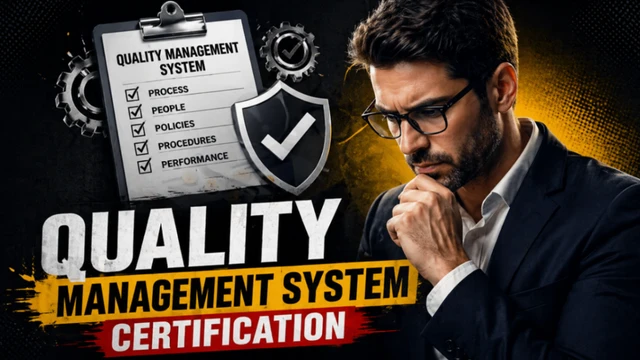
For example, in our Quality Management System Certification, you don't just learn the theory of QMS. You actually work inside a simulated software environment to manage change controls and deviations yourself. You learn how to investigate a problem and document it correctly, just like you would on the job.
Similarly, handling problems is a critical skill. Our CAPA Management Certification trains you to identify the root cause of a quality issue and implement effective corrective and preventive actions. This is a high-demand skill that makes your resume stand out.
This system builds confidence and gives you real talking points for your interviews. You can speak about your experience managing these processes, not just your knowledge of them.
Are You Ready for a Real Pharma Job?
The path to a successful career in QA/QC is not about having the perfect degree. It's about having the right skills that companies are desperately looking for.
You have the potential. Now it's time to build the practical skills that will turn that potential into a profession.
Check how your current skills compare to what top pharma companies demand. Understanding your skill gap is the first step towards a rewarding career.
Build These Skills Now
Programs from ZANE ProEd Academy that directly address the skill gaps discussed above.
Follow Zane ProEd on Google
Preferred SourceAdd our publication as a preferred source to get the latest clinical research guides, industry updates, and career intel directly in your Google Top Stories & AI Overviews.