QA QC Pharma Jobs for Freshers: Step-by-Step Career Guide
QA/QC Executive QA QC pharma jobs for freshers focus on ensuring drug quality and safety. QA (Quality Assurance) manages processes and systems, while QC (Quality Control) tests raw materials and finished products. With a BPharm or MPharm, you can start this career in 3–6 months if you learn GMP, documentation, and analytical skills.
Many BPharm and MPharm graduates feel stuck in an unrelated job. College taught you theory, but companies ask for real-world skills. If you are looking for QA QC pharma jobs for freshers, you are not alone. The good news? The pharma industry is hiring—you just need the right roadmap.
The gap between your degree and a job is real. But you can close it. In the next 3–6 months, you can become a QA/QC Executive. This guide shows you exactly what to do, step by step. No fancy language, just practical advice.
Build These Skills Now
Programs from ZANE ProEd Academy that directly address the skill gaps discussed above.
Quality is the heart of the pharma industry. Without QA and QC, medicines cannot reach patients safely. That's why these roles are always in demand. In India, the pharmaceutical market is growing fast, creating thousands of new QA QC pharma jobs for freshers every year.
What is the difference between QA and QC in pharma?
Many freshers confuse these two. They work together but are not the same. Both roles follow strict guidelines from bodies like the USFDA and ICH.
- QA (Quality Assurance) focuses on prevention. It makes sure processes and systems are followed correctly to avoid mistakes. QA is about documentation, SOPs, and audits.
- QC (Quality Control) focuses on detection. It tests samples in the lab to find any defects. QC uses instruments like HPLC, GC, and dissolution testers.
Think of QA as the planner and QC as the checker. Both are essential for a career in pharma. Most freshers start in QC and then move to QA after experience.
What is the salary of a QA/QC Executive in India?
Salaries for QA/QC freshers have improved in recent years. Here are realistic numbers for India:
- Entry-level (0–2 years): ₹2.5 to ₹4.5 LPA (lakhs per annum). In cities like Hyderabad, Ahmedabad, or Bengaluru, you might get the higher end.
- Mid-level (3–5 years): ₹4.5 to ₹7 LPA. With skills in USFDA audits or validation, you can earn more.
- Senior (5+ years): ₹7 to ₹12 LPA or higher. Some companies pay ₹15 LPA for managers.
Quality assurance pharma salary is slightly higher than QC initially because QA roles need more regulatory knowledge. But both can grow fast if you stay updated with guidelines like ICH Q7.
What qualifications are needed for QA/QC in pharma?
The basic requirement is a degree in pharmacy or life sciences. Here is what employers expect:
- Required: BPharm, MPharm, BSc (Chemistry/Microbiology), or MSc. BPharm freshers are preferred for QA/QC roles in most Indian pharma companies.
- Certifications (boost your resume): Courses in GMP, documentation, or quality management help you stand out. For example, a certificate in batch release or QMS can show you are job-ready.
- No experience? No problem. Many freshers get hired if they understand basic GMP and lab skills. You do not need a master's—just the right knowledge.
What does a QA/QC Executive do daily?
A typical day depends on whether you are in QA or QC. Here is a simple breakdown of the QA QC executive job description:
If you join QC:
- Test raw materials, in-process samples, and finished products using instruments like HPLC and UV spectrophotometer.
- Record results in logbooks and prepare certificates of analysis (CoA).
- Calibrate lab instruments and maintain cleanliness.
- Report any out-of-specification (OOS) results to senior staff.
If you join QA:
- Review batch manufacturing records (BMR) and batch packing records (BPR).
- Conduct line clearance before production starts.
- Perform self-inspections and help in regulatory audits.
- Manage change controls, deviations, and CAPA (corrective and preventive actions).
Both roles need strong attention to detail and the ability to follow standard operating procedures (SOPs) strictly.
How to get a QA/QC job in pharma as a fresher?
This is the question most freshers ask. You do not need to wait years. Here is a proven approach:
- Understand the industry basics: Learn GMP, GDP (good documentation practices), and the drug manufacturing process. Go through the ICH guidelines (Q7 for API, Q8 for formulation).
- Build practical skills: Companies look for hands-on knowledge in documentation, batch release, and QC instruments. If you don't have lab experience, use simulation-based training to practice.
- Get certified: A recognized certificate in GMP or quality management can fill the gap on your resume. Employers trust candidates who have invested in learning.
- Prepare for interviews: Expect questions like 'What is SOP?', 'Explain HPLC principle', 'Difference between OOS and OOT'. Practice with QA QC interview questions that test your basics.
- Apply to right companies: Target mid-size pharma companies in clusters like Hyderabad, Ahmedabad, Pune, or Sikkim. They hire more freshers than giant MNCs. Use portals like Naukri, Indeed, and walk-in interviews.
- Network: Connect with QA/QC professionals on LinkedIn. Many companies post urgent openings there.
If you follow these steps, you can land a job in 3–6 months, even with a gap year or an unrelated first job.
The Reality: Why Most Pharmacy Freshers Struggle
Colleges teach you the science, but not the systems. In your BPharm syllabus, you studied IPC, pharmacology, and formulations. But did you learn:
- How to fill a batch manufacturing record (BMR)?
- What a deviation report looks like?
- How to prepare for a USFDA audit?
These are daily tasks for a QA/QC Executive. The industry runs on documentation and compliance. If you cannot show these skills, you get rejected—no matter your marks.
Another problem: most labs in colleges have old equipment. Companies use modern software like LIMS (Laboratory Information Management System) and electronic batch records. You need to close this gap quickly. If you want to specialize further, check out this guide on pharma validation career.
Your 6-Step Roadmap to a QA/QC Job in 3–6 Months
Here is a clear, simple plan to go from fresher to hired. Follow each step.
Step 1: Learn the Foundations (Week 1–2)
- Read the basics of GMP and ICH Q7. Understand why documentation matters.
- Know the flow: raw material → manufacturing → QC testing → batch release → shipping.
Step 2: Get Hands-On with Key Tools (Week 3–5)
- Practice with simulated batch records and QC worksheets. Learn to identify errors.
- Understand common instruments: pH meter, balance, HPLC. You don't need a real lab; online simulations can teach you the steps.
Step 3: Earn a Respected Certificate (Week 6–8)
- Complete a certification in GMP and batch release or quality management systems. This proves you are job-ready. (We'll talk about this more later.)
Step 4: Build Your Portfolio (Week 9)
- Create a small project folder: include a filled sample BMR, a completed deviation form, and a checklist you designed. Show this in interviews—it works.
Step 5: Master Interview Questions (Week 10)
- Practice 50 common QA/QC interview questions. Focus on definitions, examples, and case studies. Be ready to explain CAPA, SOP, and OOS.
Step 6: Apply and Follow Up (Week 11–12 and ongoing)
- Apply to 5–10 jobs daily. Customize your resume for each company. Mention your certification and portfolio. Follow up after a week if no response.
How to Bridge the Gap Without a Real Job
You cannot wait for a job to get experience. That's a trap. You must create the experience yourself. Simulation-based learning is the smartest way. It lets you practice real tasks—like releasing a batch or handling a deviation—without stepping into a factory. You learn by doing, which is exactly what employers want.
Build These Skills Now
Programs from ZANE ProEd Academy that directly address the skill gaps discussed above.
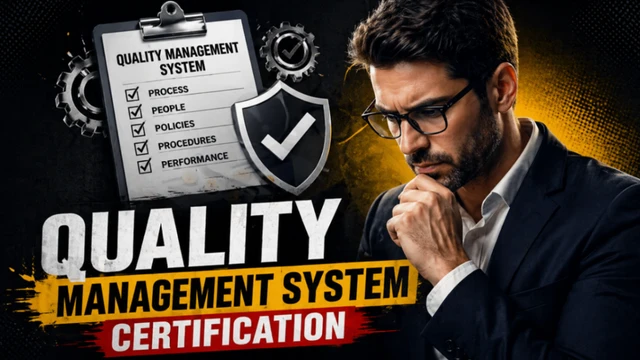
The GMP Manufacturing and Batch Release Certification and the Quality Management System Certification from ZANE ProEd give you exactly that—a safe environment to practice until you master these skills. Hundreds of pharmacy graduates have used them to get their first job.
At ZANE ProEd, we built these certifications based on real industry demands. They are not just theory—they simulate actual QA/QC workflows. You will review virtual batch records, close deviations, and prepare for audits. It feels like a real job. This kind of training shows employers you are ready from day one.
Not sure where to start? Check your QA/QC job readiness with a quick self-test.
Build These Skills Now
Programs from ZANE ProEd Academy that directly address the skill gaps discussed above.
Follow Zane ProEd on Google
Preferred SourceAdd our publication as a preferred source to get the latest clinical research guides, industry updates, and career intel directly in your Google Top Stories & AI Overviews.