Real World Evidence Career India: Complete Step-by-Step Guide for Freshers
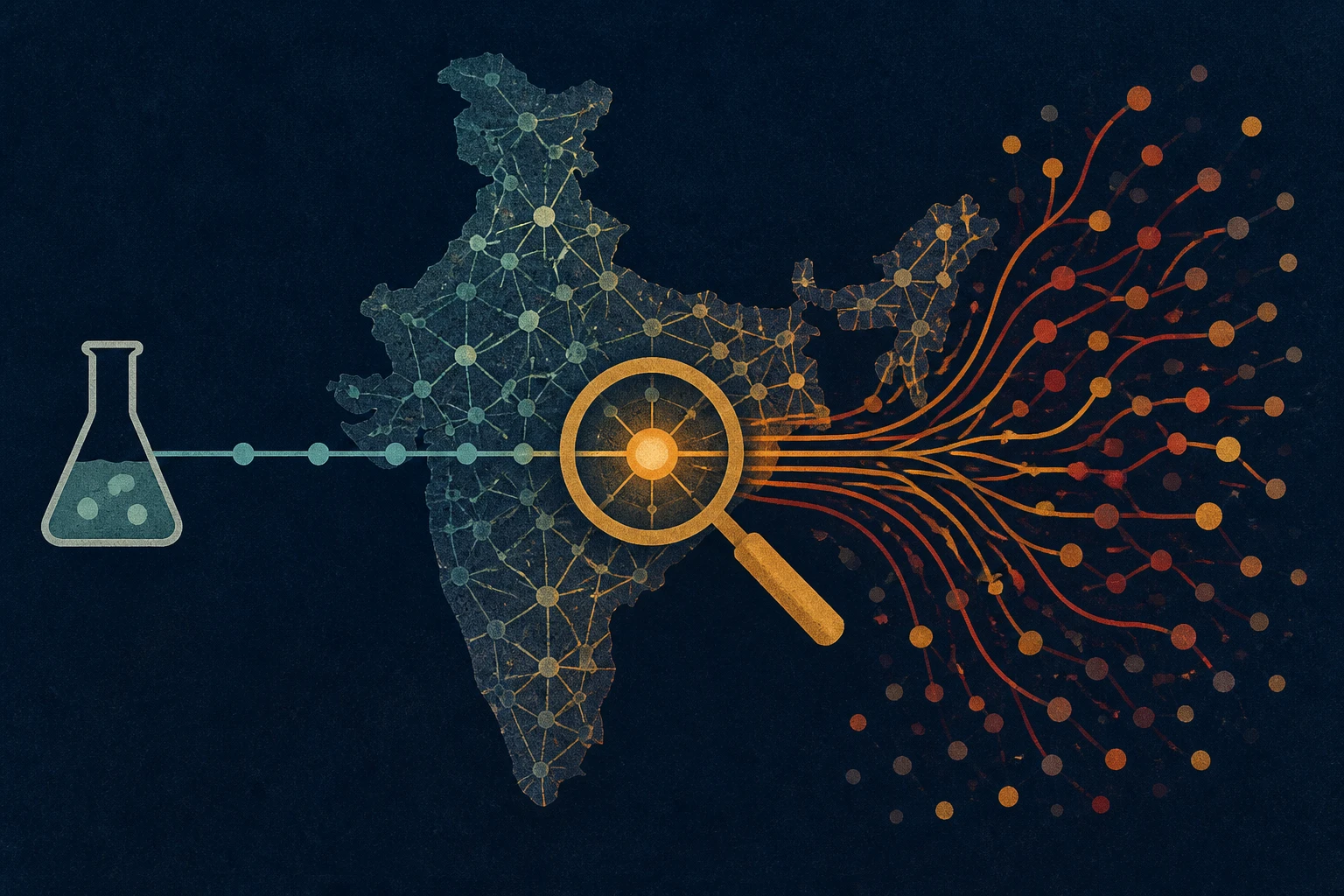
Real-World Evidence Analyst A real world evidence career India involves using real-world data from hospitals, insurance claims, and patient registries to study drug safety and effectiveness. Freshers with BPharm, BSc, or allied health degrees can start as RWE analysts earning ₹3-6 LPA, growing to ₹20+ LPA with experience.
Are you a BDS, BHMS, BAMS, or Nursing graduate looking for a high-growth career outside clinical practice? The real world evidence career India is booming. Pharma companies, CROs, and health-tech firms urgently need analysts who can turn messy real-world data into decision-ready insights.
If you are a fresher after BSc or BPharm, you already have a strong foundation in life sciences. The missing piece is knowing the tools and workflows that employers actually use. This guide gives you a clear 6-month roadmap.
Build These Skills Now
Programs from ZANE ProEd Academy that directly address the skill gaps discussed above.
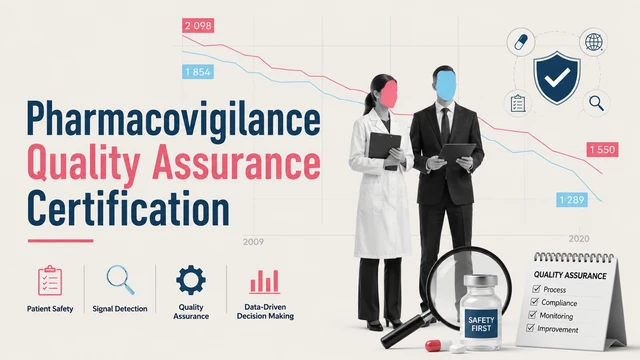
What is RWE in pharma and how does it shape a real world evidence career India?
Real-World Evidence (RWE) is clinical evidence derived from Real-World Data (RWD). RWD includes data collected outside of controlled clinical trials. Think electronic health records (EHRs), insurance claims, patient registries, wearable devices, and even social media health forums.
Key RWD sources:
- Electronic Health Records (EHRs) from hospitals and clinics
- Insurance claims and billing data
- Disease registries (cancer, diabetes, etc.)
- Patient-reported outcomes from apps and surveys
- Wearable device data (heart rate, activity, glucose monitors)
RWE in pharma answers questions that clinical trials cannot. Trials are small, short, and controlled. RWE shows how drugs perform in large, diverse populations over years. Regulatory bodies like the FDA, EMA, and ICH now accept RWE for drug approval and safety monitoring. This shift has created thousands of real world evidence career India opportunities.
What is the salary of an RWE Analyst in India? (RWE analyst salary)
RWE analyst salary in India varies by experience, location, and company type. Here is a realistic breakdown:
- Freshers (0-1 year): ₹3,00,000 - ₹6,00,000 per year
- Mid-level (2-5 years): ₹8,00,000 - ₹15,00,000 per year
- Senior/Lead Analyst (5-8 years): ₹18,00,000 - ₹30,00,000+ per year
Top pharma hubs like Bangalore, Hyderabad, Mumbai, and Pune pay 15-20% more. Global CROs and MNC pharma offer higher starting salaries than Indian generic companies.
How to start a career in Real-World Evidence? A step-by-step overview
To become an RWE analyst, you need three things: a life sciences degree, basic data skills, and practical experience with real-world datasets. Many freshers ask how to become an RWE analyst without a coding background. The answer is: start with SQL and one statistical tool.
You do not need a computer science degree. Employers value domain knowledge plus tool proficiency. Your BPharm, BSc, or allied health degree already proves domain understanding.
What is the difference between RWE and clinical trial data? (real world data vs clinical trial data)
Clinical trial data is collected under strict protocols. RWE comes from everyday clinical practice. Here is a quick comparison:
Clinical Trial Data:
- Small sample size (hundreds to a few thousand patients)
- Controlled environment, strict inclusion criteria
- Short follow-up period
- High data quality but limited generalizability
- Used for initial drug approval
Real-World Data:
- Large sample size (tens of thousands to millions)
- Uncontrolled, reflects actual clinical practice
- Long-term follow-up over years
- Messier data but high external validity
- Used for post-marketing safety, effectiveness, and label expansion
If you enjoy working with structured, clean data, clinical data management may suit you. But if you like solving messy data puzzles, RWE is your field. Learn more about clinical data management careers.
What skills are needed for RWE analytics?
Employers look for a mix of technical and domain skills. Here is the exact list from real world evidence job descriptions:
Technical Skills:
- SQL for querying large healthcare databases
- SAS or R or Python for statistical analysis
- Data visualization tools like Tableau or Power BI
- Knowledge of healthcare coding systems: ICD-10, MedDRA, SNOMED CT
- Understanding of study designs: cohort, case-control, self-controlled case series
Soft Skills:
- Ability to explain complex data to non-technical stakeholders
- Attention to detail for regulatory reporting
- Problem-solving mindset for messy real-world data
What is the skill gap for BDS/BHMS/BAMS/Nursing graduates in RWE?
Your college curriculum focuses on patient care, anatomy, pharmacology, and clinical diagnosis. None of these teach you SQL, statistical software, or healthcare data standards. Yet employers expect you to use these tools from day one.
Here is the reality:
- Colleges teach: Theory of pharmacology, clinical case studies, medical terminology
- Employers expect: SQL queries, RWD study design, regulatory reporting, data cleaning
This gap is the main reason freshers struggle to get interviews. The good news: you can close this gap in 3-6 months with focused, project-based learning.
How to become an RWE analyst in 6 months: A clear roadmap for freshers
- Month 1: Learn healthcare data basics. Understand RWD sources, coding systems, and common study designs. Watch free webinars from WHO or FDA.
- Month 2: Master SQL. Practice on free datasets like MIMIC or open claims data. Write basic SELECT, JOIN, and aggregate queries.
- Month 3: Pick one statistical tool. Choose R (free) or SAS (industry standard). Learn data manipulation and basic stats tests.
- Month 4: Build a project portfolio. Use public RWD to analyze drug safety signals or treatment patterns. Document your work on GitHub.
- Month 5: Complete a specialized certification. Focus on RWE or pharmacovigilance data analytics. This signals readiness to employers.
- Month 6: Apply to entry-level roles. Target job titles like RWE Analyst, RWD Analyst, or Clinical Data Analyst. Use your portfolio as proof.
How does simulation-based learning prepare you for real world evidence jobs?
Reading theory is not enough. You need hands-on practice with messy, real-world datasets. Simulation-based learning recreates actual analyst workflows. You work with de-identified EHR data, build queries, detect signals, and generate reports.
ZANE ProEd uses simulation as the core teaching method. Instead of watching lectures, you solve problems that mirror daily tasks in pharma companies. This builds the exact skills that hiring managers look for.
Build These Skills Now
Programs from ZANE ProEd Academy that directly address the skill gaps discussed above.
What does ZANE ProEd offer for a real world evidence career India?
ZANE ProEd is not just a course provider. It is a system designed to transform freshers into job-ready analysts. Two specific programs are highly relevant for your RWE career:
Post-Marketing Surveillance & Real-World Evidence Program: This covers RWD sources, study designs, safety reporting, and regulatory guidelines from WHO and CDSCO. You learn by working on simulated post-marketing studies.
Pharmacovigilance Signal Detection with AI Program: This focuses on using machine learning to detect safety signals from large RWD. It builds on your domain knowledge and adds advanced analytics skills. Signal detection is a core RWE function.
Both programs include real-world projects, mentorship, and career support. They bridge the gap between your college degree and industry expectations. Learn more about signal detection careers.
Are you ready to start your real world evidence career India?
Do not wait for the perfect job to appear. Start building the skills that employers demand today. Check your job readiness against the skills listed above.
See how your skills compare to entry-level RWE analyst requirements. Take the first step toward a high-growth, data-driven career in pharma.
Build These Skills Now
Programs from ZANE ProEd Academy that directly address the skill gaps discussed above.
Follow Zane ProEd on Google
Preferred SourceAdd our publication as a preferred source to get the latest clinical research guides, industry updates, and career intel directly in your Google Top Stories & AI Overviews.