PharmacovigilanceStatus: PUBLISHED // Data_Point_sign
Signal Detection Pharmacovigilance Career: Complete Guide for Allied Health Graduates
August 15, 2026 5 min read ZANE ProEd Editorial Team
Reviewed by: Dr. Mohammed Anas, Pharm.D
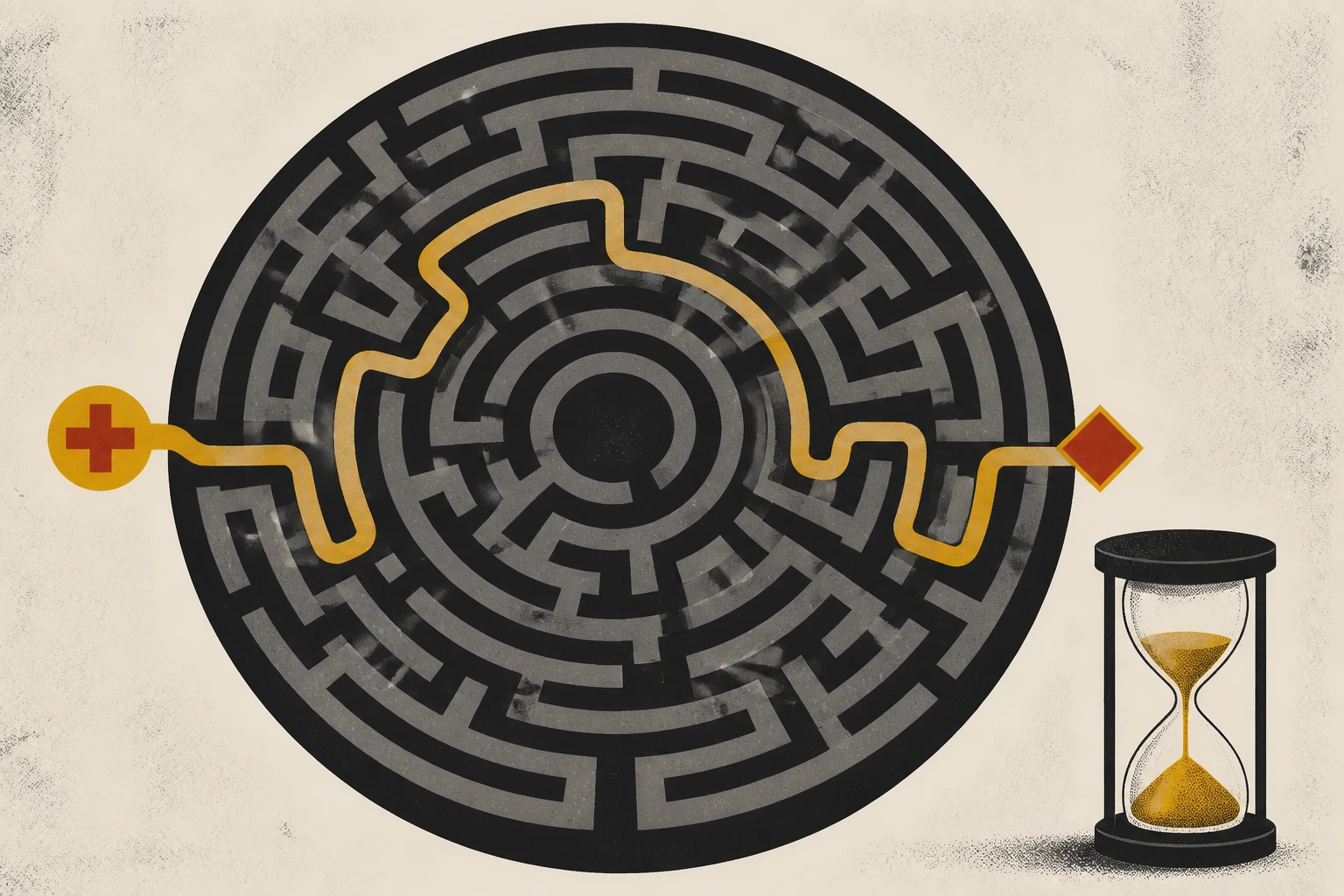
Signal Detection Pharmacovigilance Career is a specialized role where you analyze drug safety data to find new risks. You need a medical or life science degree, plus training in signal detection tools and methods. It offers high demand and good pay in India.
Recommended_Programs
Build These Skills Now
Programs from ZANE ProEd Academy that directly address the skill gaps discussed above.
What is signal detection in pharmacovigilance?
Signal detection is the process of finding new or changing risks from medicines. After a drug is on the market, companies and regulators monitor reports of side effects. Signal detection uses statistical methods and tools to spot patterns. A signal is a possible safety concern that needs more review. This is a core part of pharmacovigilance signal management. Key points:- Signal detection reviews data from clinical trials, spontaneous reports, and medical literature.
- It uses statistical algorithms to find unusual patterns.
- Regulators like WHO and FDA require this process for all approved drugs.
- The goal is to protect patients by finding safety issues early.
What is the salary of a Signal Detection Specialist in India?
The signal detection specialist salary in India varies by experience and location. Here's a typical range:- Freshers (0-1 year): ₹3.5 to ₹5 lakh per year
- 2-4 years experience: ₹6 to ₹10 lakh per year
- Senior specialists (5+ years): ₹12 to ₹20 lakh per year
How to become a Signal Detection Specialist?
Becoming a signal detection specialist is a step-by-step process. Here's a simple roadmap:- Understand the role: Read a typical signal detection job description. Know the daily tasks: reviewing safety data, running statistical analyses, writing reports.
- Build required skills: Learn pharmacovigilance signal management, data analysis, and regulatory guidelines from EMA and ICH.
- Get hands-on training: Use simulation projects that mimic real-world signal detection work. Practice with real tools and datasets.
- Create a portfolio: Show case studies of signals you identified. This proves your skills to recruiters.
- Apply for entry-level roles: Target CROs, pharma companies, and IT vendors that hire pharmacovigilance professionals.
- Keep learning: Update your knowledge of new tools and regulations as the field evolves.
What tools are used for signal detection?
Signal detection specialists use a variety of signal detection tools and methods. Common tools include:- Oracle Argus Safety: The most widely used pharmacovigilance database.
- ArisGlobal LifeSphere: Another leading safety platform.
- VigiBase: WHO's global database of adverse event reports.
- FDA FAERS: The US Food and Drug Administration's database.
- EudraVigilance: The European Medicines Agency's system.
- Disproportionality analysis: Statistical measures like PRR, ROR, and EBGM.
- Data mining algorithms: Automated detection of patterns.
- AI and machine learning: New tools that scan large datasets quickly.
What qualifications are needed for signal detection roles?
Most employers ask for these qualifications:- A degree in medicine, pharmacy, nursing, dentistry, or life sciences.
- Knowledge of pharmacovigilance regulations (ICH, GVP).
- Training in signal detection methods and tools.
- Basic understanding of statistics and data analysis.
- Good communication and attention to detail.
Skill Gap: What Colleges Teach vs What Employers Expect
Colleges teach you clinical subjects like anatomy, pharmacology, and patient care. That's great. But employers expect you to know:- How to use pharmacovigilance databases.
- Statistical methods for signal detection.
- Regulatory guidelines from ICH and CDSCO.
- How to write safety reports.
Your Step-by-Step Roadmap to a Signal Detection Career
Reverse engineering means starting from the job you want and working backward. Here's how:- Find job posts: Look for "Signal Detection Specialist" roles on job portals. Note the required skills and tools.
- List missing skills: Compare your current knowledge to the job description. Identify what you need to learn.
- Get targeted training: Focus on the tools and methods that appear most often. Simulation-based learning is fastest.
- Build a portfolio: Complete projects that show you can detect signals from real datasets.
- Network with professionals: Connect with people in pharmacovigilance on LinkedIn. Learn from their experience.
- Apply with confidence: Use your portfolio to prove you can do the job, even without formal experience.
Why Simulation-Based Learning Works Best for You
Traditional courses teach theory. But employers want proof you can do the job. Simulation-based learning puts you in real-world scenarios. You work with actual pharmacovigilance databases, run signal detection algorithms, and write safety reports. This is exactly what you'll do on the job.Recommended_Programs
Build These Skills Now
Programs from ZANE ProEd Academy that directly address the skill gaps discussed above.
ZANE ProEd has built a system that includes courses like pharmacovigilance-signal-detection-with-ai and ai-powered-pharmacovigilance-specialist. These courses are designed to simulate the daily work of a signal detection specialist. You practice with AI tools that are now used by top pharma companies. The system focuses on practical skills, not just certificates. Learn more about ZANE ProEd's approach.
Check your job readiness today. See how your skills compare to what employers want. The gap might be smaller than you think.
Recommended_Programs
Build These Skills Now
Programs from ZANE ProEd Academy that directly address the skill gaps discussed above.
Follow Zane ProEd on Google
Preferred SourceAdd our publication as a preferred source to get the latest clinical research guides, industry updates, and career intel directly in your Google Top Stories & AI Overviews.