Regulatory Affairs Career Path India: Step-by-Step Guide for Chemistry Graduates

Regulatory Affairs Associate The regulatory affairs career path India for chemistry graduates starts with understanding drug laws. You ensure medicines are safe and approved. Freshers can begin in pharma companies or consultancies, handling CTD/eCTD submissions. With 1–3 years, salaries rise from ₹2.5–4 LPA to ₹6–10 LPA.
You did internships. You studied hard. But still no job offer? That is a common story for BSc/MSc Chemistry graduates. Internships often give you just a surface view. They don’t show you the real work of a Regulatory Affairs Associate. The good news? The regulatory affairs career path India is open to you, even as a fresher. This guide gives you a clear, step-by-step plan to land your first job in 3–6 months.
You are not behind. You just need the right roadmap. Let’s walk it together.
Build These Skills Now
Programs from ZANE ProEd Academy that directly address the skill gaps discussed above.
What does a Regulatory Affairs Associate do?
A Regulatory Affairs Associate makes sure that medicines are safe, effective, and meet legal rules. You act as a bridge between the company and health authorities like CDSCO (India), USFDA, or EMA. Your daily tasks include:
- Preparing and reviewing regulatory documents like dossiers.
- Managing submissions in CTD or eCTD format.
- Tracking application status and responding to queries from authorities.
- Staying updated on changing regulations and guidelines.
- Coordinating with R&D, quality, and manufacturing teams.
Think of it as a mix of science, law, and project management. It’s a desk-based role that requires attention to detail and good communication. For a deeper look, read our full regulatory affairs job description.
What is the salary of a Regulatory Affairs Associate in India?
Money matters. Here’s a realistic breakdown of the regulatory affairs associate salary in India:
- Fresher (0-1 year): ₹2.5 – ₹4 Lakhs per annum (LPA).
- Associate (1-3 years): ₹4 – ₹6 LPA.
- Senior Associate (3-5 years): ₹6 – ₹10 LPA.
- Manager and above: ₹10 – ₹20+ LPA.
Salaries are higher in metro cities like Mumbai, Hyderabad, and Bangalore. MNCs and large Indian pharma firms pay the best. With the right skills, your salary can grow quickly.
How to get into regulatory affairs without experience?
This is the biggest worry for freshers. But experience is not always a barrier. Here is how you enter the field:
- Build knowledge: Learn the basics of drug development, ICH guidelines (ICH), and the CDSCO registration process. Free resources from WHO and official sites help.
- Get practical skills: Employers look for hands-on ability in preparing CTD eCTD submissions. Simulation-based training can give you this edge.
- Earn a certificate: A recognized regulatory affairs course for freshers proves your commitment and knowledge.
- Network smartly: Connect with regulatory professionals on LinkedIn. Attend pharma webinars and seminars.
- Apply strategically: Target entry-level roles in regulatory operations, medical writing support, or quality assurance. Small CROs are often more open to freshers.
What is CTD/eCTD in drug registration?
CTD stands for Common Technical Document. It is a standard format for drug applications accepted by regulators worldwide. The eCTD is the electronic version. Both organize data into five modules:
- Module 1: Administrative and prescribing information.
- Module 2: Summaries of quality, non-clinical, and clinical data.
- Module 3: Quality (chemistry, manufacturing, controls).
- Module 4: Non-clinical study reports.
- Module 5: Clinical study reports.
Most submissions to CDSCO, USFDA, and EMA now require eCTD. As an associate, you will compile, review, and publish these dossiers. Mastering this skill makes you job-ready.
What skills are required for regulatory affairs?
Beyond your chemistry degree, you need a mix of hard and soft skills:
Technical Skills
- Understanding of CDSCO registration process and key regulations (Drugs & Cosmetics Act, Schedule Y).
- Knowledge of CTD eCTD submissions and tools like eCTD publishing software.
- Familiarity with pharmacopoeias (IP, USP, BP).
- Basic medical writing and document review.
Soft Skills
- Attention to detail – a small mistake can delay approvals.
- Strong written English – you write many emails and reports.
- Time management – you handle multiple projects at once.
- Teamwork – you work with many departments.
Many fresh graduates lack practical exposure to these tools. That gap is exactly what you need to fill.
The Skill Gap: College vs. Industry
Your BSc/MSc curriculum taught you organic chemistry, spectroscopy, and lab techniques. But did it teach you how to compile Module 3 of an eCTD? Or how to respond to a query from CDSCO? Probably not.
Employers expect you to hit the ground running. They want candidates who have worked on dummy dossiers, used eCTD viewers, and understood the workflow. That’s why a fresher with just a degree often gets rejected. You need a bridge.
Your 6-Step Roadmap to a Regulatory Affairs Job
Follow this path with focus, and you will see results.
- Step 1 – Learn the Fundamentals (Week 1-2): Study ICH guidelines, Drug & Cosmetic Act, and CDSCO processes. Use free online resources and official websites.
- Step 2 – Get Practical Training (Week 3-6): Enroll in a simulation-based program. Work on real-world case studies: compile a mock CTD dossier, practice eCTD publishing.
- Step 3 – Build Your Portfolio (Week 7-8): Document your practice work. Create a dossier sample and a process note. Show it to employers.
- Step 4 – Network Actively (Ongoing): Connect with 10 regulatory professionals on LinkedIn every week. Ask for advice, not jobs.
- Step 5 – Apply with a Plan (Week 9-12): Target 5–10 companies per week. Tailor your resume for each. Highlight your practical skills.
- Step 6 – Ace the Interview (Week 10+): Be ready to discuss CTD, regulations, and your practical projects. Show confidence in your hands-on knowledge.
The System Bridge: Simulation-Based Learning
Reading theory alone won’t get you a job. You must practice in a safe, real-world environment. That’s where simulation-based learning comes in. It lets you work on virtual regulatory projects, just like you would in a company. You learn by doing, make mistakes safely, and build confidence.
At ZANE ProEd, our programs are built on this system. They simulate the entire workflow of a regulatory affairs associate – from dossier compilation to submission tracking. You don’t just learn; you perform.
Build These Skills Now
Programs from ZANE ProEd Academy that directly address the skill gaps discussed above.
How ZANE ProEd Can Accelerate Your Journey
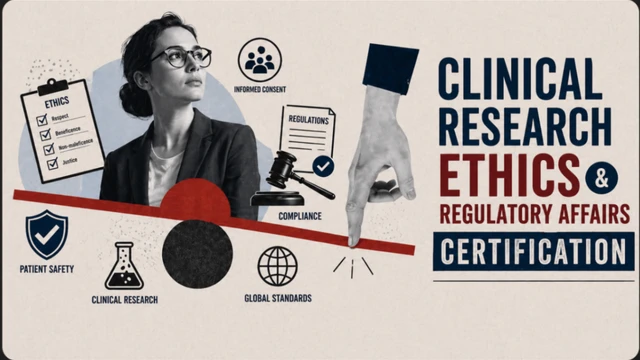
The clinical-research-ethics-regulatory-affairs-certification program is designed for chemistry freshers like you. It covers:
- Real-world case studies on CDSCO, USFDA, and EMA submissions.
- Hands-on practice with eCTD publishing software.
- Mock dossier creation and review sessions.
- Guidance from industry mentors.
This isn’t just a course. It’s a career launchpad that shows you exactly how the industry works. Thousands of graduates have used this system to land their first job. Explore more about this unique approach on our learning system page.
Your Next Move
You have the plan. You know the skills. Now it’s time to act. The regulatory affairs career path India is waiting for you. Don’t let another hiring cycle pass you by.
Check your job readiness. See how your skills compare against what employers actually want. Start building your future today.
If quality assurance roles also interest you, read our guide on QA/QC pharma jobs for freshers. Many skills overlap, and it gives you more options.
Build These Skills Now
Programs from ZANE ProEd Academy that directly address the skill gaps discussed above.
Follow Zane ProEd on Google
Preferred SourceAdd our publication as a preferred source to get the latest clinical research guides, industry updates, and career intel directly in your Google Top Stories & AI Overviews.