Signal Detection Pharmacovigilance Career: Complete Guide for Life Sciences Graduates
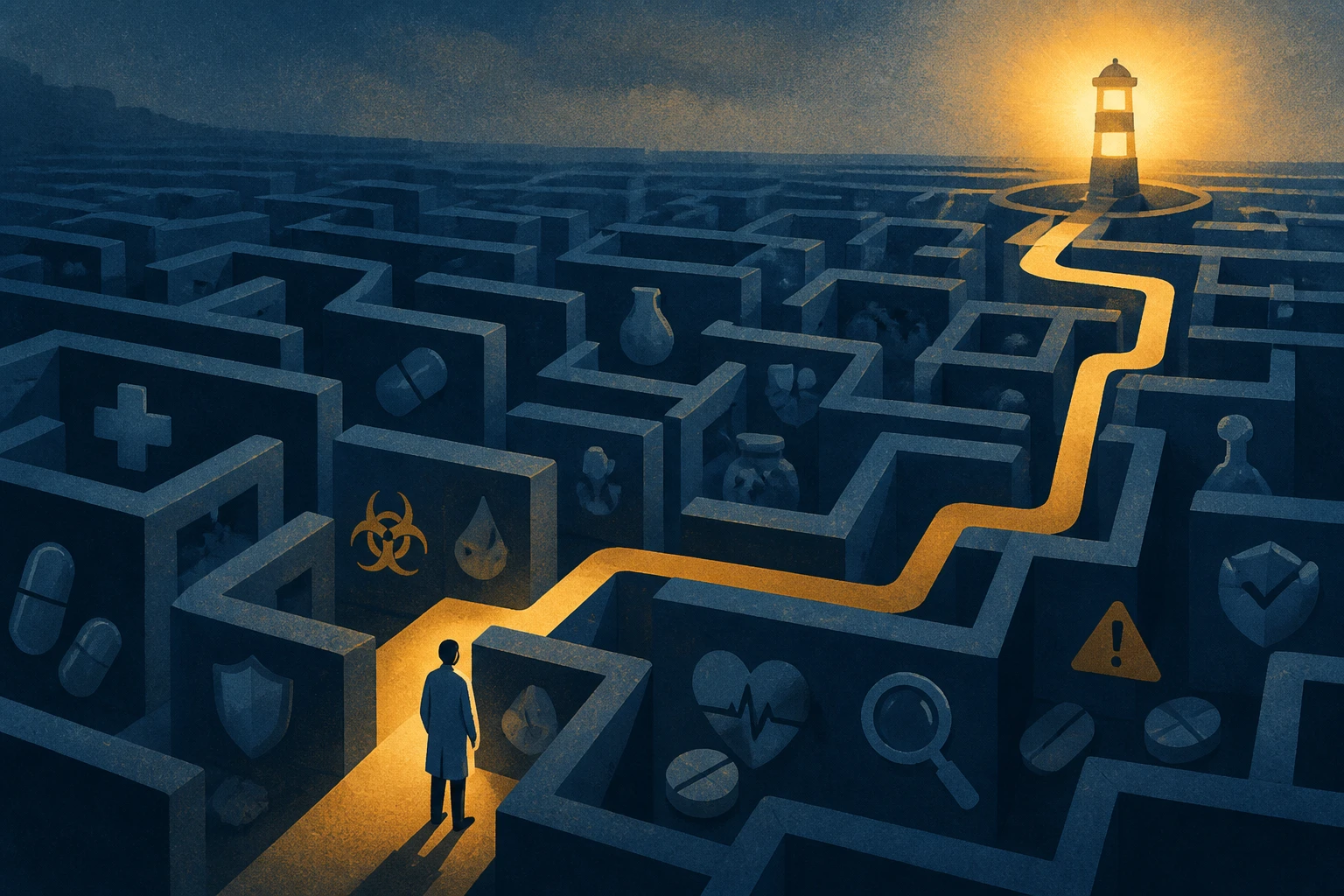
Signal Detection Specialist A signal detection pharmacovigilance career involves analyzing drug safety data from reports, clinical trials, and literature to spot potential new risks. You use statistical tools and medical judgment to protect patients. It is a growing role for life sciences graduates in India.
If you have a BSc or MSc in Biotechnology, Microbiology, or Biochemistry from a Tier-2 or Tier-3 college, you might think a signal detection pharmacovigilance career is out of reach.
But here's the truth: companies need people who understand safety data and tools, not just people with big college names.
Build These Skills Now
Programs from ZANE ProEd Academy that directly address the skill gaps discussed above.
This guide breaks down exactly what signal detection is, what you'll earn, and how you can become job-ready.
What is signal detection in pharmacovigilance?
In a signal detection pharmacovigilance career, you look for hidden safety signals in large datasets.
Signal detection is the process of finding new or changing safety information about a drug.
- You review individual case safety reports (ICSRs).
- You look at data from clinical trials, medical literature, and spontaneous reports.
- You use statistical methods to see if a side effect is happening more often than expected.
- The goal is to identify a 'signal' — a possible new risk that needs further review.
This is part of pharmacovigilance signal management. It protects patients by catching safety issues early. If you are new to safety data, read our guide on pharmacovigilance case processing jobs for freshers to understand the first step.
What is the salary of a Signal Detection Specialist in India?
The signal detection specialist salary in India varies by experience and company.
- Freshers: ₹3.5 to ₹5.5 lakh per year
- 2-4 years experience: ₹6 to ₹9 lakh per year
- 5+ years or lead roles: ₹12 to ₹20 lakh per year
Top pharma companies and CROs pay higher. Skills in AI-based tools can push you to the top of the range. Many companies also offer bonuses and shift allowances.
How to become a Signal Detection Specialist?
There is no single path, but here is the most common route.
- Get a life sciences degree (BSc, MSc, BPharm).
- Learn the basics of pharmacovigilance — ICSR processing, MedDRA coding, and safety databases.
- Gain hands-on practice with signal detection tools like Oracle Argus, ArisGlobal, or VigiBase.
- Understand statistical methods like disproportionality analysis (PRR, ROR, etc.).
- Build a portfolio of sample signal detection reports.
- Apply for entry-level roles like Drug Safety Associate or PV Analyst first.
Many employers value tool-level knowledge more than just a certificate. You can also explore how real-world evidence roles overlap with signal detection in this guide.
What tools are used for signal detection?
Signal detection relies on specialized databases and statistical software. These are key signal detection tools and methods.
- VigiBase — WHO's global database of ICSRs (maintained by WHO).
- Oracle Argus and ArisGlobal — safety databases used by many companies.
- Empirica Signal — for statistical signal detection.
- R or Python — for custom analysis and data visualization.
- MedDRA — standard medical terminology for coding adverse events.
New AI tools are now helping automate routine screening. That is why AI skills are becoming a must. For regulatory guidelines, check ICH and FDA websites.
What qualifications are needed for signal detection roles?
Most employers ask for:
- A bachelor's or master's degree in life sciences, pharmacy, or nursing.
- Basic understanding of pharmacovigilance principles (ICH E2E guidelines).
- Familiarity with safety databases and MedDRA coding.
- Knowledge of statistics or willingness to learn.
- Good written English for report writing.
You do not need a PhD. Freshers from Tier-2 and Tier-3 colleges can definitely get in if they have the right skills.
What colleges don't teach you about signal detection
Your BSc or MSc in Biotechnology, Microbiology, or Biochemistry gives you a strong science base.
But employers expect you to know how the industry works on day one.
- Colleges teach theory: drug mechanisms, lab techniques.
- Employers expect: hands-on use of safety databases, writing signal reports, and understanding regulatory timelines.
- Colleges rarely cover MedDRA, E2E guidelines, or statistical tools.
- Employers assume you can open Argus, pull a line listing, and spot a trend.
This gap is why many freshers struggle to get shortlisted. They have a degree but no practical workflow knowledge.
Your step-by-step path to a signal detection career
- Learn the fundamentals: Study ICH E2E guidelines and basic pharmacovigilance terms. Free resources on ICH and FDA.
- Master a safety database: Get practice on Oracle Argus or ArisGlobal through simulations or internships.
- Understand signal detection methods: Learn disproportionality analysis, case series review, and how to use VigiBase.
- Work on real-world projects: Create a mock signal detection report using sample data. Show it to recruiters.
- Apply for entry-level roles: Start as a Drug Safety Associate or PV Analyst. Then move to signal detection within 1-2 years.
Why simulation beats certification
Certificates tell employers you passed a test. Simulations show you can do the job.
Today's AI-driven healthcare industry wants people who can work with tools from day one.
That's why ZANE ProEd focuses on simulation-based learning. You practice on real safety databases, write reports, and get feedback.
Build These Skills Now
Programs from ZANE ProEd Academy that directly address the skill gaps discussed above.
How ZANE ProEd bridges the gap
Two programs are especially relevant for signal detection aspirants:
pharmacovigilance-signal-detection-with-ai — This course lets you practice signal detection using real-world databases and AI tools. You learn how to spot safety signals, write reports, and use statistical methods.
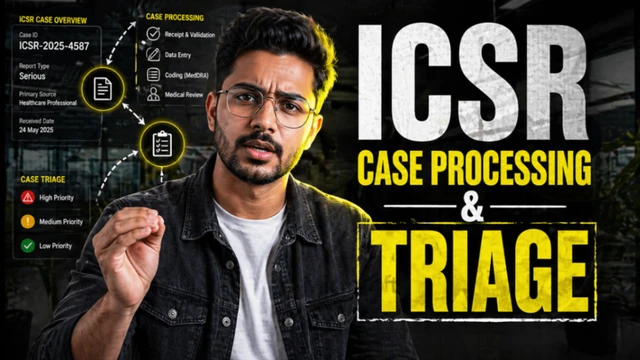
icsr-case-processing-triage — Before signal detection, you need to understand case processing. This course teaches you triage, MedDRA coding, and how safety data flows.
Together, they give you the full workflow — from individual case reports to final signal analysis.
ZANE ProEd is not just a course provider. It is a system that replicates what you will do in a real job.
Check your job readiness
Do you know how to run a disproportionality analysis? Can you explain the difference between a signal and a risk?
If not, it's time to build those skills. See how your current knowledge compares to industry expectations. Review our learning approach and map your next step.
Build These Skills Now
Programs from ZANE ProEd Academy that directly address the skill gaps discussed above.
Follow Zane ProEd on Google
Preferred SourceAdd our publication as a preferred source to get the latest clinical research guides, industry updates, and career intel directly in your Google Top Stories & AI Overviews.