Pharmacovigilance Jobs for Freshers in India: A Step-by-Step Guide

Pharmacovigilance Jobs for Freshers in India: Entry-level roles like Drug Safety Associate are available for BPharm, BSc, and even some BTech/BCA graduates. Companies look for candidates with practical skills in ICSR case processing, MedDRA coding, and knowledge of regulatory guidelines like ICH. Training in these areas is key.
If you've recently graduated with a science or tech degree, you might be looking for a stable career path. Finding high-quality pharmacovigilance jobs for freshers in India can feel like discovering a hidden opportunity, especially if you're from a non-healthcare background like BSc, BCA, or BTech.
You are not alone. Many graduates feel lost because their degree didn't give them a direct job role. Pharmacovigilance (PV) is a fast-growing industry that needs detail-oriented people, and you don't always need a pharmacy degree to get started.
Build These Skills Now
Programs from ZANE ProEd Academy that directly address the skill gaps discussed above.
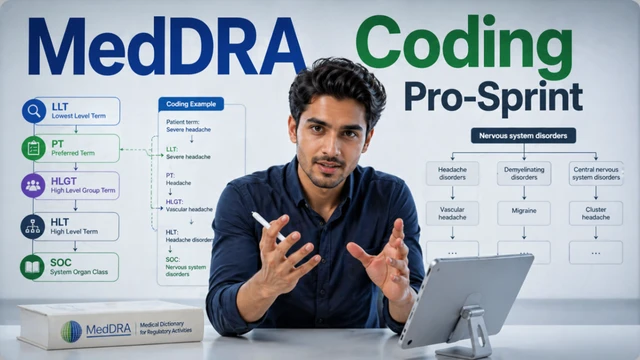
This guide will show you a clear, step-by-step roadmap to enter this exciting field. We will break down what you need to know, the skills you must have, and how you can start your career as a Drug Safety Associate.
What is pharmacovigilance and why is it important?
Pharmacovigilance, often called PV or drug safety, is the science of monitoring the effects of medicines. Its main goal is to detect, assess, understand, and prevent adverse effects or any other drug-related problems. Think of it as detective work for medicines that are already in the market.
Every time a patient takes a medicine, there is a small risk of a side effect. PV professionals collect and analyze reports of these side effects from patients, doctors, and hospitals. This work is critical for public health. Without it, harmful drugs could remain on the market, putting millions of people at risk.
Regulatory bodies like the CDSCO in India and the World Health Organization (WHO) have strict rules for drug safety monitoring. This makes pharmacovigilance a mandatory and essential function for every pharmaceutical company.
What is the salary of a Drug Safety Associate in India?
For freshers, the pharmacovigilance salary in India is quite competitive. An entry-level Drug Safety Associate can expect to earn between ₹2.5 Lakhs and ₹4.5 Lakhs per annum. This starting salary can vary based on the company (MNC vs. Indian company), location (major cities like Mumbai, Bangalore, or Hyderabad), and your specific skills.
Your salary growth in PV is promising. As you gain experience and skills, your income can increase significantly. After 2-3 years, you could be earning ₹5 Lakhs to ₹8 Lakhs per year. The PV career path allows you to move into senior roles like:
- Senior Drug Safety Associate
- Pharmacovigilance Scientist
- Team Lead or Manager
- Specialist in areas like Signal Detection or Aggregate Reporting
The key to higher pay is moving from basic data entry to more analytical roles. Skills in medical coding (MedDRA) and understanding complex safety cases can fast-track your career and salary growth.
How to start a career in pharmacovigilance?
Starting a career in pharmacovigilance requires a clear plan, especially if you are from a non-pharmacy background. Your degree is the first step, but practical skills are what employers are looking for.
Here’s how you can get started:
- Check Your Eligibility: Most companies hire graduates from Life Sciences (BSc, MSc), Pharmacy (BPharm, MPharm), and sometimes even technical fields (BCA, BTech) for roles that involve data management.
- Understand the Fundamentals: Learn the basics of drug safety, including key terms like Adverse Event (AE), Serious Adverse Event (SAE), and the importance of regulatory bodies like the FDA and EMA.
- Gain Job-Specific Skills: This is the most important step. You need to learn skills that companies use every day. This includes ICSR case processing, MedDRA and WHO-DD coding, and narrative writing.
- Build a Professional CV: Tailor your resume to highlight these new skills. Mention any projects or certifications you have completed that are relevant to pharmacovigilance.
- Apply for Entry-Level Roles: Look for job titles like 'Drug Safety Associate', 'PV Associate', 'Case Processing Executive', or 'Trainee Pharmacovigilance'.
What are the job responsibilities of a PV Associate?
The drug safety associate job description focuses on the day-to-day tasks of handling drug safety data. As a fresher, your role is crucial for ensuring that all information is accurate and processed correctly.
Here are the common drug safety associate roles and responsibilities:
- Case Triage: Receiving and sorting incoming adverse event reports from various sources like emails, calls, and faxes.
- Data Entry: Accurately entering all patient and reporter information, drug details, and event descriptions into a safety database (like Oracle Argus or ArisG).
- Medical Coding: Coding medical terms, events, and drug names using standard dictionaries like MedDRA (Medical Dictionary for Regulatory Activities).
- Narrative Writing: Writing a clear and concise summary of the adverse event case, which is a critical part of the report submitted to health authorities.
- Follow-up: Contacting the reporter (doctor or patient) to gather any missing information to make the case complete.
- Quality Check: Reviewing cases processed by team members to ensure they meet quality standards and regulatory guidelines.
These tasks require strong attention to detail, good communication skills, and an ability to work with complex information.
Is pharmacovigilance a good career for BPharm freshers?
Yes, pharmacovigilance is an excellent career for BPharm freshers, and it's also a great option for BSc, BTech, and BCA graduates who are willing to learn the required skills. The industry is stable, growing, and offers a clear path for professional development.
Here’s why it’s a good choice:
- High Demand: Stricter drug safety laws globally mean that every pharmaceutical company needs a strong PV team. This creates constant demand for skilled professionals.
- Global Career: PV skills are transferable across the world. The guidelines, like those from the ICH, are global standards, allowing you to work for multinational corporations.
- Less Patient Interaction: For those who are not interested in sales or direct patient care, PV offers a rewarding scientific career behind the scenes.
- Skill-Based Growth: Your career growth depends on your skills, not just your degree. By mastering areas like ICSR case processing, you can quickly become a valuable asset to your team.
The Skill Gap: What Your Degree Didn't Teach You
Your BSc, BTech, or BPharm degree gave you a strong foundation in science or technology. However, it likely did not teach you the specific, practical skills that pharmaceutical companies require for a Day 1 ready employee.
Companies expect you to know how to process a safety case, how to code an event in MedDRA, and how to write a regulatory-compliant narrative. They need people who can start contributing immediately, especially in the competitive Indian job market. This gap between academic knowledge and industry needs is why many freshers struggle to get hired.
Your 5-Step Roadmap to a Pharmacovigilance Career
Don't let the skill gap stop you. Here is a structured pathway to bridge that gap and land a job.
- Foundation First: Learn the terminology and lifecycle of drug safety. Understand what an ICSR is and why it matters.
- Master Case Processing: This is the core skill for any entry-level PV job. Learn the end-to-end process from receiving a case to submitting it.
- Learn Medical Coding: Get practical training on how to use the MedDRA dictionary. This is a non-negotiable skill for most PV roles.
- Practice on Real Systems: Theoretical knowledge is not enough. You need hands-on experience using interfaces that mimic real safety databases.
- Build Your Professional Brand: Update your LinkedIn profile and CV to reflect your new, job-ready skills. Use keywords from job descriptions.
The Solution: Bridging the Gap with Simulation
How can you gain practical experience without having a job? The answer is simulation-based learning. Modern training systems allow you to work on realistic case scenarios, use software just like in a real company, and build confidence before your first interview.
Build These Skills Now
Programs from ZANE ProEd Academy that directly address the skill gaps discussed above.
Build a System of Skills, Not Just a Certificate
At ZANE ProEd, we believe in building a system of skills that makes you a valuable professional. Our programs are designed to give you the practical experience that companies are desperately looking for.
For instance, our ICSR Case Processing & Triage program teaches you the most fundamental skill in pharmacovigilance. You will learn how to handle adverse event reports from start to finish. Our MedDRA Medical Coding Certification ensures you master one of the most in-demand technical skills in the industry.
We focus on practical application so that on your first day of the job, you already know what to do. This is the advantage that sets ZANE ProEd learners apart. To learn more about our approach, you can visit our about page.
Are You Ready for a Career in Pharmacovigilance?
A career in pharmacovigilance is waiting for you. It offers stability, growth, and the chance to do meaningful work that protects patients worldwide. With the right skills, you can successfully transition into this high-growth field.
Check how your current skills compare to what top pharmaceutical companies are looking for. Taking the first step to upskill yourself is the best investment you can make in your career right now.
Build These Skills Now
Programs from ZANE ProEd Academy that directly address the skill gaps discussed above.
Follow Zane ProEd on Google
Preferred SourceAdd our publication as a preferred source to get the latest clinical research guides, industry updates, and career intel directly in your Google Top Stories & AI Overviews.