Signal Detection Pharmacovigilance Career: A Guide for BPharm Graduates
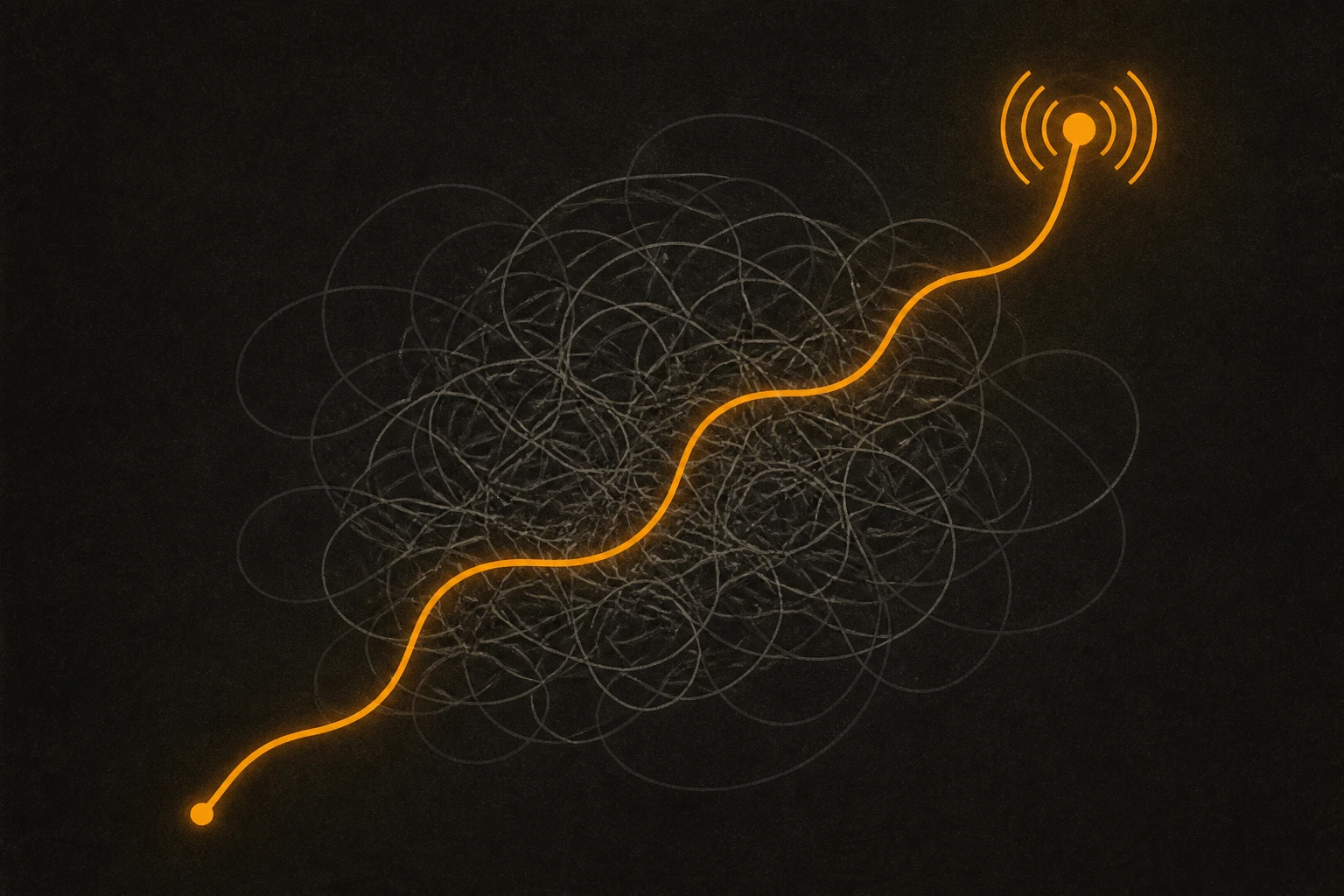
Signal Detection Specialist: A signal detection pharmacovigilance career involves identifying and evaluating potential new safety issues with medicines. Specialists analyze large datasets of adverse event reports to find patterns ('signals') that suggest a new or changed risk, playing a critical role in ensuring patient safety and drug regulation.
If you're a BPharm or MPharm graduate from a Tier-2 or Tier-3 college, you might think your options are limited. Many people talk about case processing, but there is a more advanced and rewarding path waiting for you. A signal detection pharmacovigilance career is a hidden opportunity for those who want to become drug safety detectives.
This role goes beyond simple data entry. It’s about analysis, critical thinking, and making a real impact on public health. It’s a career where you can grow, specialize, and become a highly valued expert in the pharmaceutical industry.
Build These Skills Now
Programs from ZANE ProEd Academy that directly address the skill gaps discussed above.
This guide provides a clear, step-by-step roadmap. We will show you exactly what this job involves, what skills you need, and how you can build a successful career, even if your college didn't teach you these industry-level skills.
What is signal detection in pharmacovigilance?
Signal detection is like being a detective for medicines. After a drug is launched, millions of people start using it. Sometimes, new or rare side effects appear that were not seen in clinical trials. The job of a signal detection specialist is to find these potential new risks, which are called 'signals'.
A signal is essentially an alert. It's information that suggests a possible connection between a drug and an adverse event. For example, if many reports show that patients taking a new headache medicine are also experiencing hair loss, that's a signal.
The process of finding, analyzing, and managing these alerts is called pharmacovigilance signal management. It involves:
- Data Mining: Searching through large safety databases for unusual patterns.
- Signal Validation: Checking if the signal is real or just a coincidence.
- Signal Prioritization: Deciding which signals are most urgent to investigate.
- Signal Assessment: Deeply investigating the signal to understand the risk.
This work is crucial for keeping patients safe. It helps regulatory authorities like the CDSCO in India and the FDA in the US make informed decisions about a drug's safety.
What is the salary of a Signal Detection Specialist in India?
The signal detection specialist salary is one of a key attractions of this career path. Because it requires more analytical skills than entry-level roles, the pay is significantly better.
Here’s a realistic breakdown for salaries in India:
- Entry-Level (0-2 years): If you are a fresher with the right training and practical skills, you can expect a starting salary between ₹4 Lakhs to ₹7 Lakhs per annum. This is higher than typical case processing roles.
- Mid-Level (3-5 years): With a few years of experience, your salary can increase to ₹8 Lakhs to ₹15 Lakhs per annum. At this stage, you would be leading signal assessment activities.
- Senior-Level (5+ years): Senior specialists or managers can earn ₹15 Lakhs to ₹25+ Lakhs per annum. They are responsible for strategy and managing teams.
Your salary depends on your skills, the company (MNCs usually pay more), and your location. Building skills in data analysis and using specific software tools can help you command a higher salary from the start.
How to become a Signal Detection Specialist?
Becoming a signal detection specialist requires a clear plan. It's not a role you can simply get with a BPharm degree alone. You need to build specific, job-ready skills. Here is a step-by-step guide on how to become a signal detection specialist.
- Build a Strong PV Foundation: You must first understand the basics. This includes knowing the entire pharmacovigilance workflow, from case processing to aggregate reporting. A solid foundation is non-negotiable.
- Learn Data Analysis Principles: Signal detection is all about data. You need to be comfortable with basic statistical concepts. You don't need to be a statistician, but you must understand concepts like disproportionality analysis.
- Master Signal Detection Tools and Methods: This is the most critical step. You must learn the software and techniques companies actually use. This includes understanding medical dictionaries like MedDRA and analyzing data from databases.
- Develop Medical Writing Skills: A big part of the signal detection job description is writing reports. You need to communicate your findings clearly in documents like Signal Assessment Reports.
- Gain Practical Experience: Theoretical knowledge is not enough. You need to show employers you can do the job. Working on simulation projects or case studies is the best way to prove your skills.
What tools are used for signal detection?
Companies use specific software and methodologies for signal detection. Your college curriculum likely never mentioned these, but they are essential for the job. Knowing these signal detection tools and methods will set you apart from other candidates.
Key tools include:
- Safety Databases: Companies use systems like Oracle Argus Safety or ArisG to manage adverse event reports.
- Signal Detection Software: Specialized tools like Oracle Empirica Signal or custom SAS-based systems are used to mine data and calculate statistical scores.
- Medical Dictionaries: MedDRA (Medical Dictionary for Regulatory Activities) is used globally to code medical terms consistently. You must know how it works.
- Global Databases: You will analyze data from large public databases like the WHO's VigiBase and the FDA's FAERS.
- Statistical Methods: You will use techniques like Proportional Reporting Ratios (PRRs) and Reporting Odds Ratios (RORs) to identify signals.
Understanding the principles behind these tools is more important than knowing how to click buttons. Employers want specialists who can think critically about the data these tools produce, following guidelines from bodies like the ICH.
What qualifications are needed for signal detection roles?
The educational background is the first step, but the real qualifications are the skills you bring. For most pharmacovigilance jobs, and especially for signal detection, companies look for a mix of education and practical ability.
Educational Qualifications:
- A Bachelor of Pharmacy (BPharm) or Master of Pharmacy (MPharm) is the most common requirement.
- Other life science degrees like BSc, MSc (Biotechnology, Microbiology), BDS, or MBBS are also considered.
Essential Industry Skills:
- Strong Pharmacovigilance Knowledge: Deep understanding of regulations and guidelines.
- Analytical Thinking: The ability to look at data and find meaningful patterns.
- Medical Coding: Proficiency in MedDRA is a must-have skill.
- Data Interpretation: Understanding statistical outputs and what they mean for patient safety.
- Attention to Detail: A small error can have big consequences, so accuracy is key.
- Communication Skills: You must be able to write clear, concise reports for regulatory bodies and internal teams.
The Skill Gap: What Your College Didn't Teach You
Your BPharm or MPharm degree gave you a great foundation in pharmacology and human anatomy. But companies hiring for signal detection roles expect you to know their workflow from day one. They expect you to understand MedDRA hierarchy, interpret a disproportionality analysis report, and know the structure of a Signal Assessment Report.
This is the gap. Colleges teach the 'what', but the industry needs you to know the 'how'. As companies demand job-ready talent, this gap is becoming a major barrier for freshers from Tier-2 and Tier-3 colleges.
Your Step-by-Step Pathway to a Signal Detection Career
Don't worry, you can bridge this gap. Here is a practical, structured pathway:
- Step 1: Solidify Your PV Fundamentals: Go beyond your textbook. Understand the complete drug safety lifecycle.
- Step 2: Dive into Signal Management Theory: Learn the specific principles of signal detection, validation, and assessment as defined by global health authorities.
- Step 3: Get Hands-On with Industry Tools: Find a way to work with interfaces that mimic real signal detection software. Practice using MedDRA for coding and analysis.
- Step 4: Execute a Simulation Project: Take a mock dataset and run a full signal workup. Identify a signal, validate it, assess it, and write a summary report. This becomes proof of your skills.
- Step 5: Build Your Interview Strategy: Learn to talk about your project and skills using industry language. Explain *how* you solved a problem, not just what you learned.
The Bridge to Real-World Skills
How can you get hands-on experience with tools you don't have access to? How can you work on a project without a job? This is where simulation-based learning comes in. It's the most effective way to build the practical skills that employers are desperately looking for.
By working in a simulated environment that mirrors a real company's workflow, you build muscle memory and confidence. You move from being a student who knows theory to a professional who can perform tasks.
Build These Skills Now
Programs from ZANE ProEd Academy that directly address the skill gaps discussed above.
ZANE ProEd: Your System for Building Industry Skills
At ZANE ProEd, we don't just offer courses. We provide a complete system designed to transform you into a job-ready professional. Our programs like Pharmacovigilance Signal Detection with AI are built on industry-simulation workflows.
You will work on real-world case studies, use tools that mimic industry software, and learn the exact processes used by top pharmaceutical companies. Our AI-Powered Pharmacovigilance Specialist program integrates the latest technology, preparing you for the future of drug safety.
We help you build a portfolio of work that you can show to employers, proving that you have the skills they need. This is how you stand out and secure high-paying roles like a Signal Detection Specialist.
Are You Ready for the Job?
A career in signal detection is within your reach. It takes the right strategy and a focus on building practical, in-demand skills. Instead of just collecting another certificate, focus on building real capabilities.
See how your current skills compare to what top companies are looking for. Take the first step towards a career that is not only financially rewarding but also incredibly meaningful.
Build These Skills Now
Programs from ZANE ProEd Academy that directly address the skill gaps discussed above.
Follow Zane ProEd on Google
Preferred SourceAdd our publication as a preferred source to get the latest clinical research guides, industry updates, and career intel directly in your Google Top Stories & AI Overviews.