Signal Detection Pharmacovigilance Career: Step-by-Step Roadmap for Life Sciences Graduates
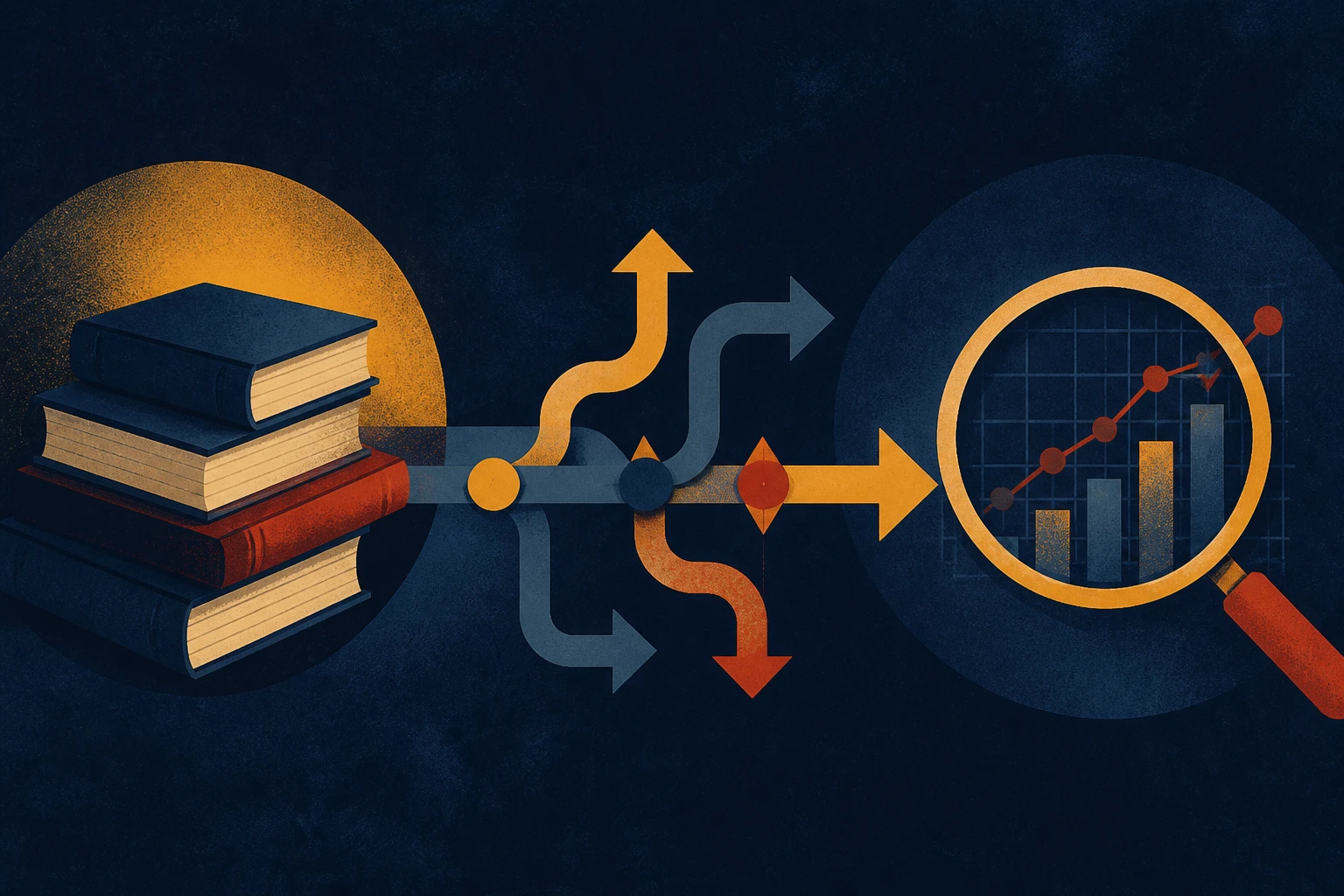
Signal Detection Pharmacovigilance Career: A Signal Detection Specialist analyzes drug safety data from clinical trials, spontaneous reports, and literature to identify new or changing risks. This role is critical for patient safety. In India, the pharmacovigilance job market is booming, offering great opportunities for life science graduates.
You hold a degree in Biotechnology, Microbiology, or Biochemistry. You’ve studied drug actions, molecular biology, and perhaps even pharmacovigilance as a subject. But when you look at job descriptions for a signal detection pharmacovigilance career, you see requirements like ‘experience with signal detection tools’ or ‘knowledge of quantitative methods.’ Your college curriculum never covered these.
You are not alone. Most Indian universities give you strong theory but miss the practical, industry-ready skills. In today’s AI-driven healthcare world, companies want professionals who can work with real-world data and specialized software from day one. If you’re exploring overall pharmacovigilance roles, read this guide for freshers.
Build These Skills Now
Programs from ZANE ProEd Academy that directly address the skill gaps discussed above.
What is signal detection in pharmacovigilance?
Signal detection is the process of finding potential safety concerns (signals) from data on adverse drug reactions. It involves statistical analysis and medical review. The goal is to identify new risks or changes in known risks earlier, so regulators and companies can take action.
According to the ICH guidelines (E2C, E2E), signal management includes detection, validation, confirmation, analysis, and prioritization. This is a core function in pharmacovigilance and is essential for maintaining drug safety worldwide. For a deeper dive into signal detection careers, see this comprehensive article.
Common data sources include:
- Individual Case Safety Reports (ICSRs)
- Clinical trial data
- Medical literature
- Electronic health records
- Social media and patient forums
What is the salary of a Signal Detection Specialist in India?
The signal detection specialist salary in India varies by experience and company. For freshers with 0–2 years, the annual salary typically ranges from ₹3.5 to ₹6 lakhs. With 3–5 years of experience, it can rise to ₹8–12 lakhs. Senior specialists and managers can earn ₹15 lakhs and above.
These numbers are higher in top pharmaceutical companies and IT-enabled pharmacovigilance service providers. Bangalore, Hyderabad, Mumbai, and Pune are key hiring hubs.
How to become a Signal Detection Specialist?
The path to a signal detection pharmacovigilance career requires a mix of education, skills, and hands-on practice. Here is a step-by-step approach:
- Build a strong foundation: Understand pharmacology, clinical research, and drug safety basics. Your life sciences degree covers some of this, but you need to focus on pharmacovigilance concepts like ICH guidelines and risk management.
- Learn signal detection methods: Study qualitative and quantitative methods. Quantitative methods include disproportionality analysis (PRR, ROR), Bayesian methods, and machine learning techniques.
- Get hands-on with tools: Practice using industry tools like Oracle Argus Safety, ARISg, or VigiFlow. Many of these require training, but simulation-based platforms can give you experience before your first job.
- Gain practical exposure: Work on real-world case studies or simulated datasets. This bridges the gap between theory and job requirements.
- Earn a recognized certification: A pharmacovigilance certification with signal detection training can boost your profile.
What tools are used for signal detection?
A signal detection specialist works with several software and databases. The most common signal detection tools and methods include:
- Oracle Argus Safety: Widely used for case processing and signal detection.
- ArisGlobal ARISg: Supports full pharmacovigilance signal management.
- VigiFlow: The WHO global database for ICSRs.
- Empirica Signal: A statistical analysis tool for signal detection and evaluation.
- FAERS and EudraVigilance: Public databases from FDA and EMA that specialists query for signal assessment.
- R and Python: Increasingly used for advanced analytics and automation.
Employers expect you to be familiar with at least one safety database and have basic data analysis skills.
What qualifications are needed for signal detection roles?
Most employers look for a degree in life sciences, pharmacy, or medicine. For you as a BSc/MSc in Biotechnology, Microbiology, or Biochemistry, you already meet the basic requirement. However, additional qualifications can set you apart:
- A diploma or certification in pharmacovigilance or clinical research.
- Training in signal detection and risk management.
- Knowledge of global regulations like those from ICH and CDSCO.
- Practical experience with safety databases, even if gained through simulated projects.
What colleges teach vs. What the industry demands
Your college program likely covered microbiology, biochemistry, and maybe an introductory module on pharmacovigilance. You probably learned about adverse drug reactions and clinical trial phases. But here’s the reality check:
What employers actually expect:
- You can perform disproportionality analysis on a safety database.
- You know how to navigate Oracle Argus or a similar system.
- You understand signal validation and can draft a signal assessment report.
- You are comfortable using Excel and basic statistical tools.
- You can work with global regulatory guidelines.
This gap exists because most colleges don't have access to industry-grade software or real-world datasets. That’s why many freshers feel lost. But you can bridge this gap with the right training approach.
Your 5-step roadmap to a signal detection job
Follow this plan to move from theory to industry-readiness:
- Step 1: Master pharmacovigilance basics. Read ICH E2 guidelines. Understand the drug development lifecycle and safety reporting.
- Step 2: Learn signal detection concepts. Study qualitative and quantitative methods. Practice with public data like FAERS.
- Step 3: Get hands-on with tools. Use simulation platforms that mimic real safety databases. This is crucial because most companies won't train you on their systems from scratch.
- Step 4: Build a project portfolio. Work on case studies—for example, perform a signal detection on a dataset and write a report. Show this to interviewers.
- Step 5: Get certified and network. A specialized certification can help. Also connect with pharmacovigilance professionals on LinkedIn.
The missing link: Simulation-based learning
How can you learn tools like Argus without a job? Simulation-based learning platforms replicate the exact workflows and interfaces used in the industry. They allow you to practice signal detection, case processing, and report generation in a safe environment. This type of training is what employers value because it proves you can be productive from day one.
ZANE ProEd’s system is built on this principle. It offers guided, hands-on simulations that mirror real-world pharmacovigilance operations. Learn more about our approach on the about page.
Build These Skills Now
Programs from ZANE ProEd Academy that directly address the skill gaps discussed above.
Learn signal detection with AI-powered simulations
ZANE’s approach is not just another video course. It’s a system that puts you inside a virtual pharmacovigilance department. The Pharmacovigilance Signal Detection with AI program walks you through every step of signal management using modern tools and AI-driven analytics. The AI-Powered Pharmacovigilance Specialist course takes it further, equipping you with skills in automation and advanced analytics that are in high demand today.
Both programs are designed for life science graduates like you—those who have the knowledge but need practical, job-ready skills. The simulated environment means you can make mistakes, learn, and build confidence before your first interview.
Ready to check if your skills match what employers want? Explore how ZANE ProEd can transform your theory into real-world expertise.
Build These Skills Now
Programs from ZANE ProEd Academy that directly address the skill gaps discussed above.
Follow Zane ProEd on Google
Preferred SourceAdd our publication as a preferred source to get the latest clinical research guides, industry updates, and career intel directly in your Google Top Stories & AI Overviews.